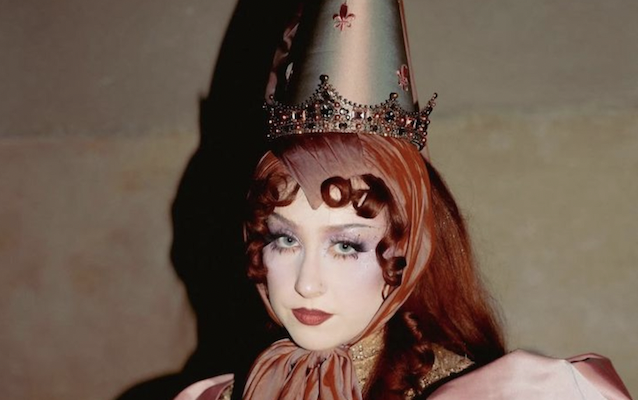
This Valentine’s weekend saw the theatrical release of Emerald Fennel’s “‘Wuthering Heights’” amid the usual plethora of cherubs and chocolates. While audiences were salivating at the promise of a scandalous adaptation, the film was met with scorn from fans of the original classic.
The casting of Heathcliff as Jacob Elordi particularly struck a nerve — a character compared to a long-lost Indian prince shouldn’t be represented by a white male.
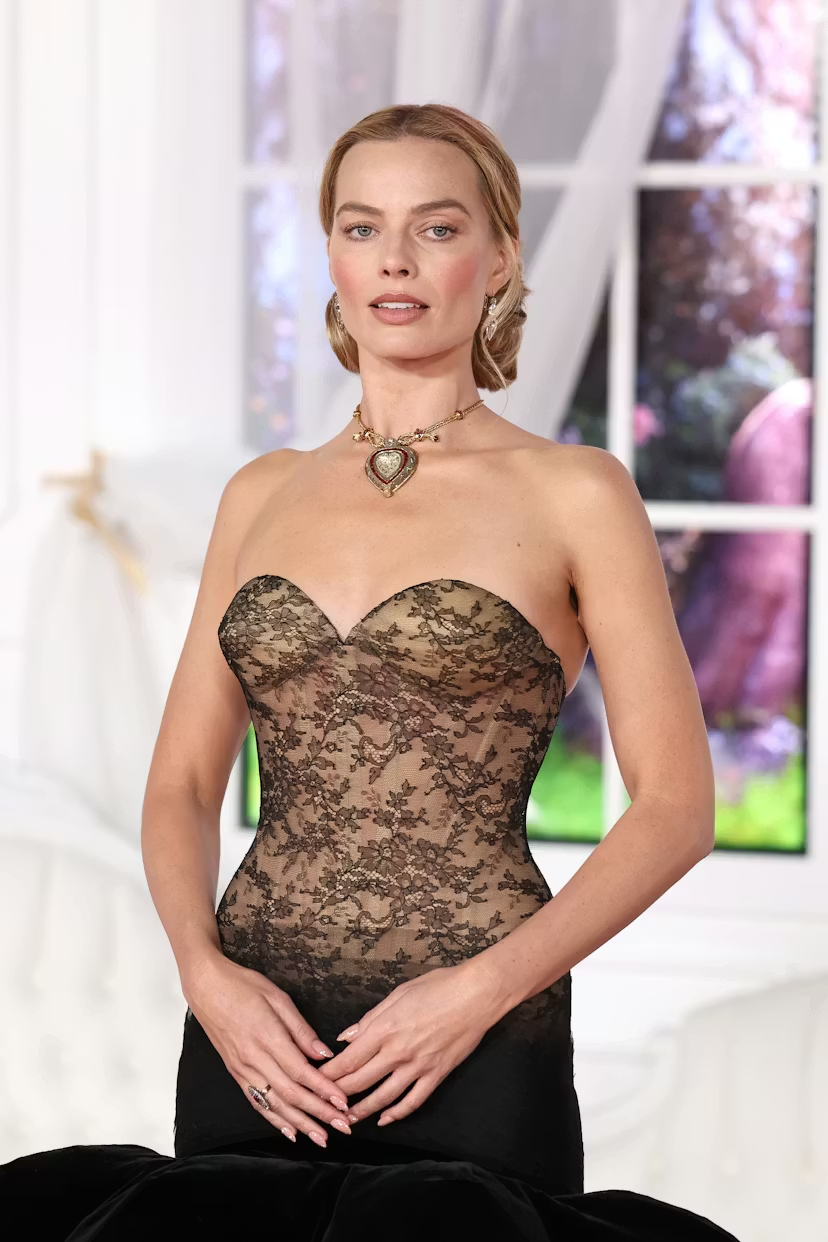
The controversy extended past the screen during the world premiere, where Margot Robbie complemented her custom Schiaparelli gown with what she called the “Elizabeth Taylor necklace.” The jewel featured in the piece was far from Elizabeth Taylor’s usual diamonds, though.
Encased within a heart-shaped jade locket, this iconic diamond is inscribed with the phrase “Love is Everlasting” in Persian, along with the name of its original owner, Nur Jahan.
Funny how a necklace attributed to Elizabeth Taylor bears the name of another woman.
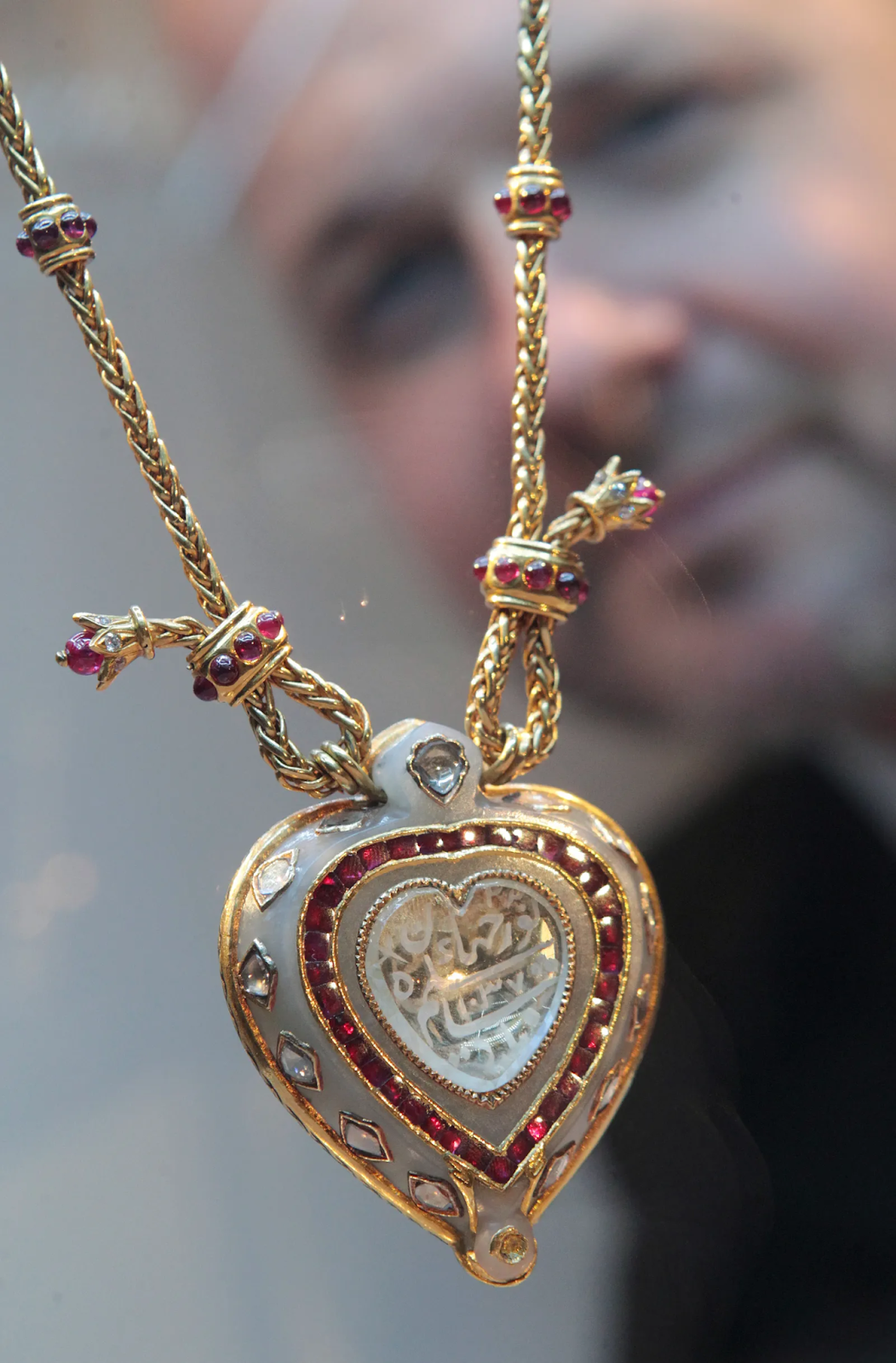
Before gracing the necks of Hollywood stars, the diamond had been a commissioned gift from Mughal Emperor Shah Jahangir to his wife Nur Jahan, according to an article from Vogue. After her passing, the couple’s son, Shah Jahan, presented the jewel to his wife Mumtaz Mahal, famously known as the muse behind the Taj Mahal.

The details behind Cartier’s acquisition of this centuries-old diamond are murky, but if history is any indication, the diamond was most likely snatched up by the British during colonial times before being sold off to the luxury house. An article from Smithsonian Magazine tells us that Elizabeth Taylor’s husband bought the piece as a birthday surprise for her, forever condemning the historic jewel to its Western association.

Instead of being heralded as a priceless relic of ancient Indian history, “Elizabeth Taylor’s necklace” promotes a film that demotes its only South Asian representation — once a main character, it now lives as a subdued side piece.
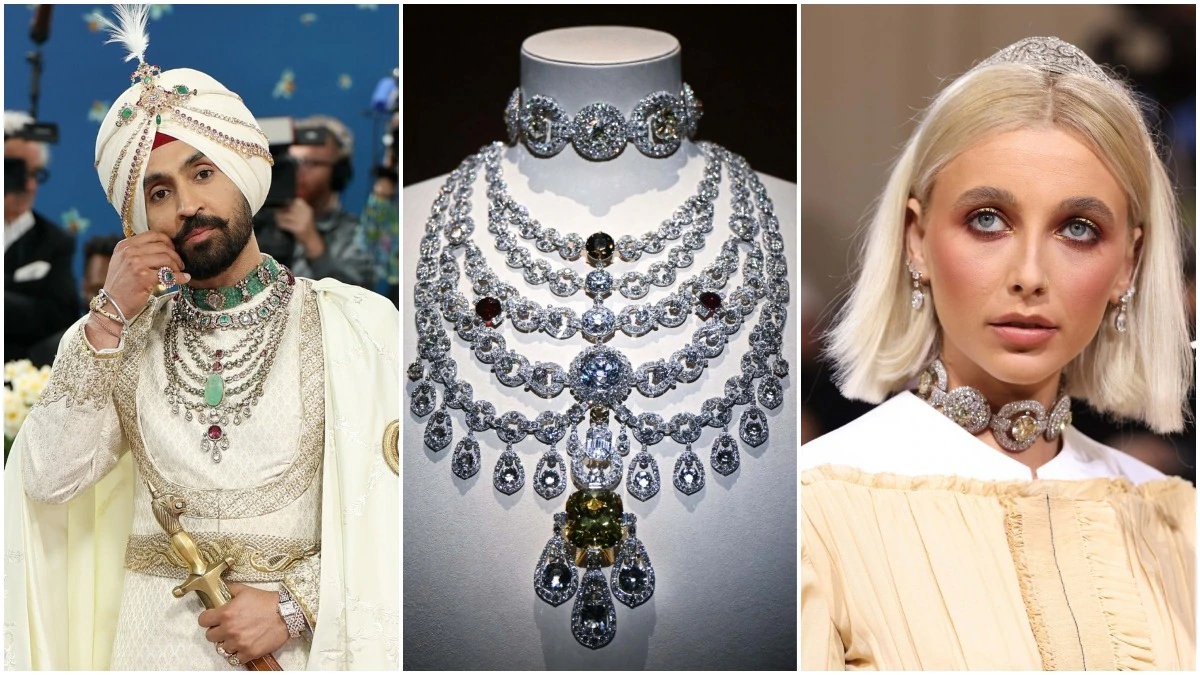
Cartier, the current holder of the necklace, also famously denied Bollywood star Diljit Dosanjh the chance to wear the invaluable Patiala Necklace, despite previously allowing influencer Emma Chamberlain to do so. Although India is the birthplace of these jewels, Cartier seems hellbent on keeping them within the Western realm.
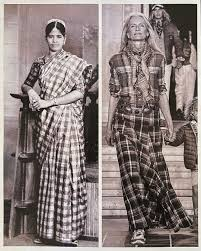
South Asian influence isn’t limited to luxury; it has impacted mainstream fashion as well. The preppy plaid pattern known as the Madras check, claimed to be an “old-money” wardrobe staple by BBC, existed among Indian fishermen and farmers for centuries before the British colonized and cashed in on the fabric.
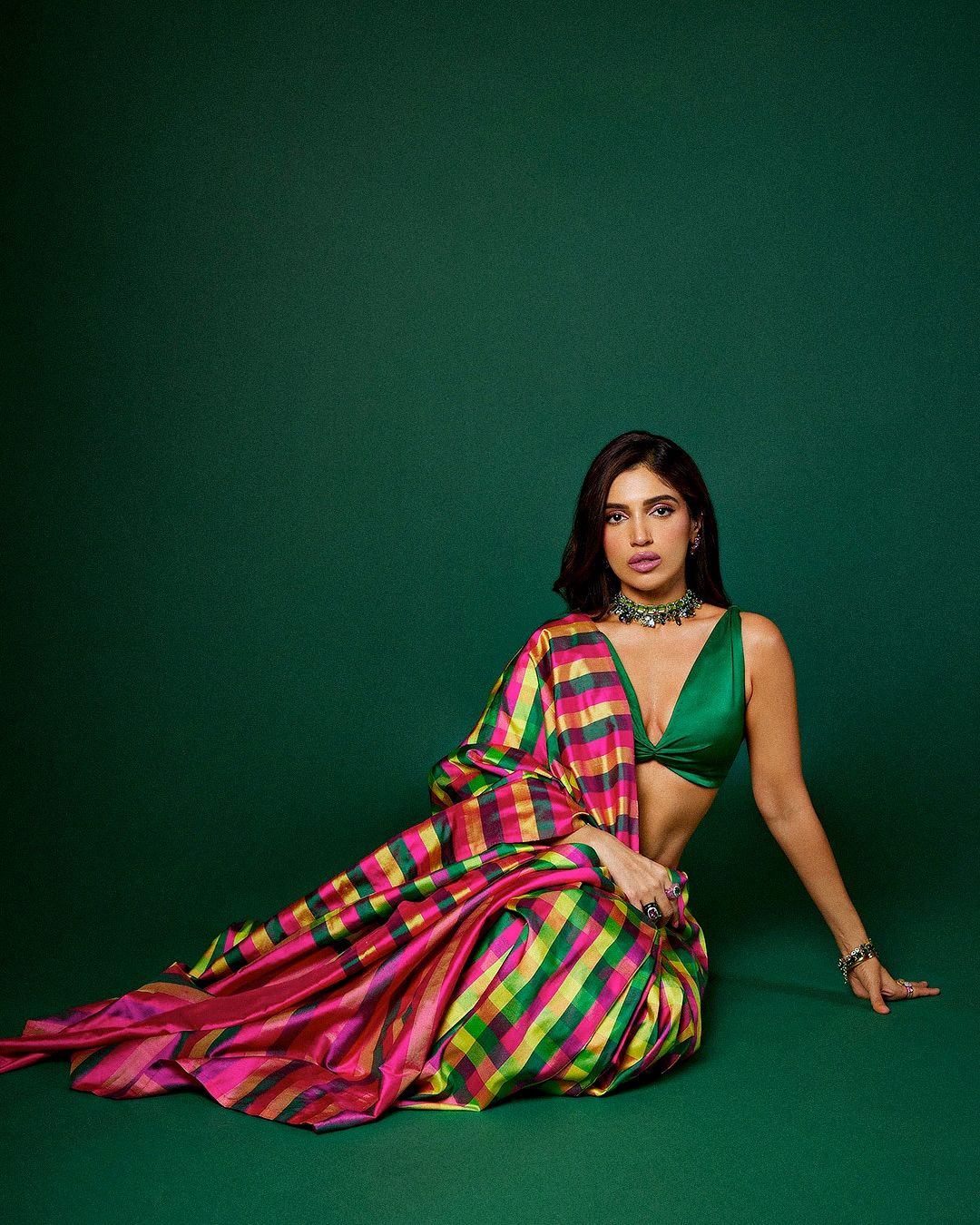
The modern version sees lehengas relabeled as “low waist skirts,” henna as “white ink tattoos” and kurtas as “boho tunics.” The most recent incident is the Scandinavian scarf scandal, where fashion company Bipty repackaged dupattas as European fashion.
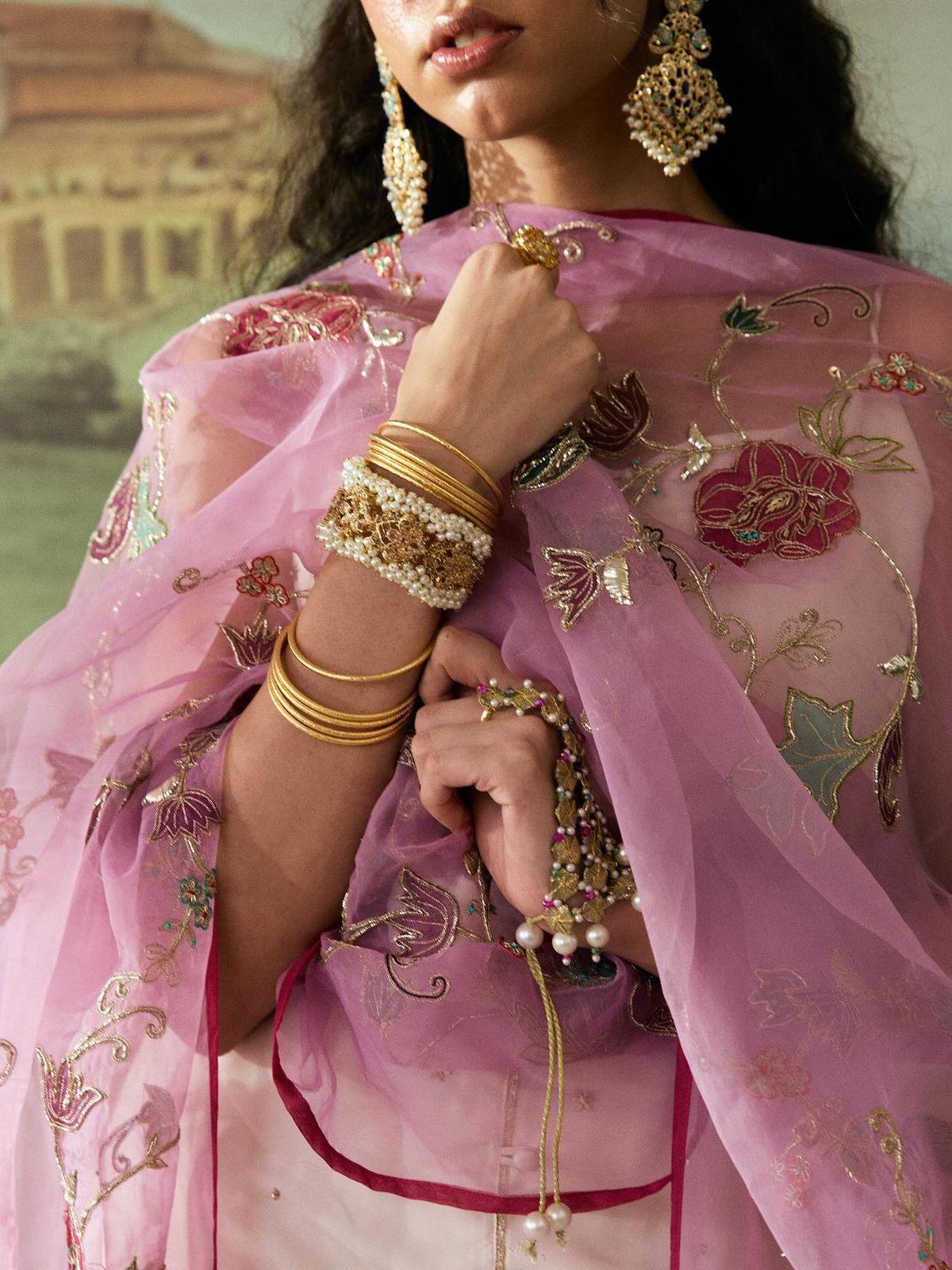
The controversy isn’t necessarily because white people should be forbidden from wearing South Asian attire; the evolution of fashion is dependent on cultural appreciation. Rather, it’s the way the West continuously profits from South Asian ideas while refusing to acknowledge their contribution. Centuries of history and culture are distilled into “boho chic” labels, because apparently it’s not palatable to be ethnic. As Elle India puts it, “it’s beautiful when it isn’t brown.”
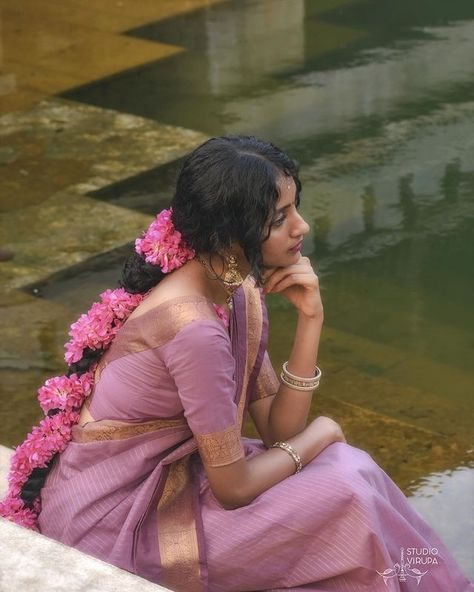
At a time where South Asian hate has significantly risen since 2024, where children as young as six are violently assaulted simply for the crime of being brown, according to AAPI Equity Alliance and The Guardian, positive association with South Asian culture is sorely needed. While the mislabeling of a scarf pales in significance when compared to the atrocities polluting the news, fashion still holds substance.

It’s easier to dismiss the worth of a marginalized community when you can’t credit them for their accomplishments. It’s crucial that South Asians are viewed as having desirable contributions. Otherwise, we are at risk of the Emerald Fennell treatment; getting erased from the narrative because we can’t possibly be painted in an attractive light.