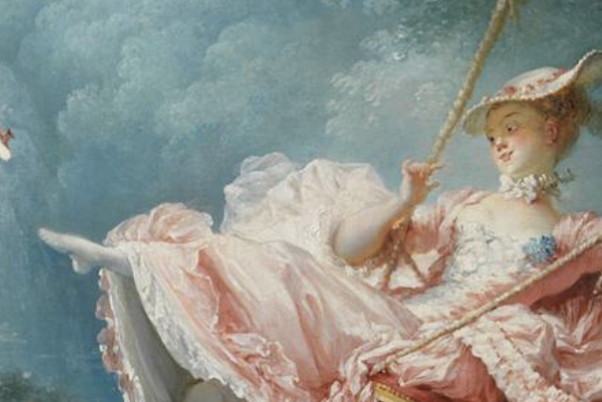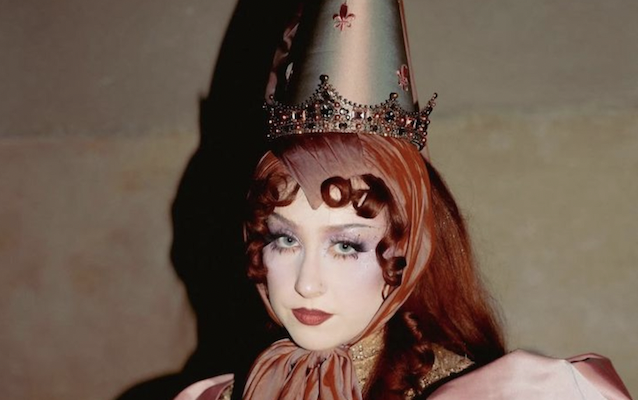
Not everything blooms at once.
When we think of muses, we usually imagine something striking, effortless and almost otherworldly. Inspiration feels spontaneous and appears fully formed. But we have to retrace our steps back to the root of our world. Every bloom, every vine and every shift in color is the result of an entire ecosystem working together.
An ecosystem doesn’t rely on one dominant force — it survives because of the web of life that works under the surface. There is structure beneath softness; history beneath beauty; effort beneath ease. When we approach this concept visually, we focus less on creating exaggerated personas and more on representation and presence. We explore how people occupy space when they feel aligned with their environment.
The botanical garden offers a gentle reminder that growth is not linear. More than that, it’s rarely even visible. What we see at surface level is supported by the quiet development underneath. The most compelling ideas are not manufactured overnight, but cultivated through experiences, influenced by the environment and strengthened through time.
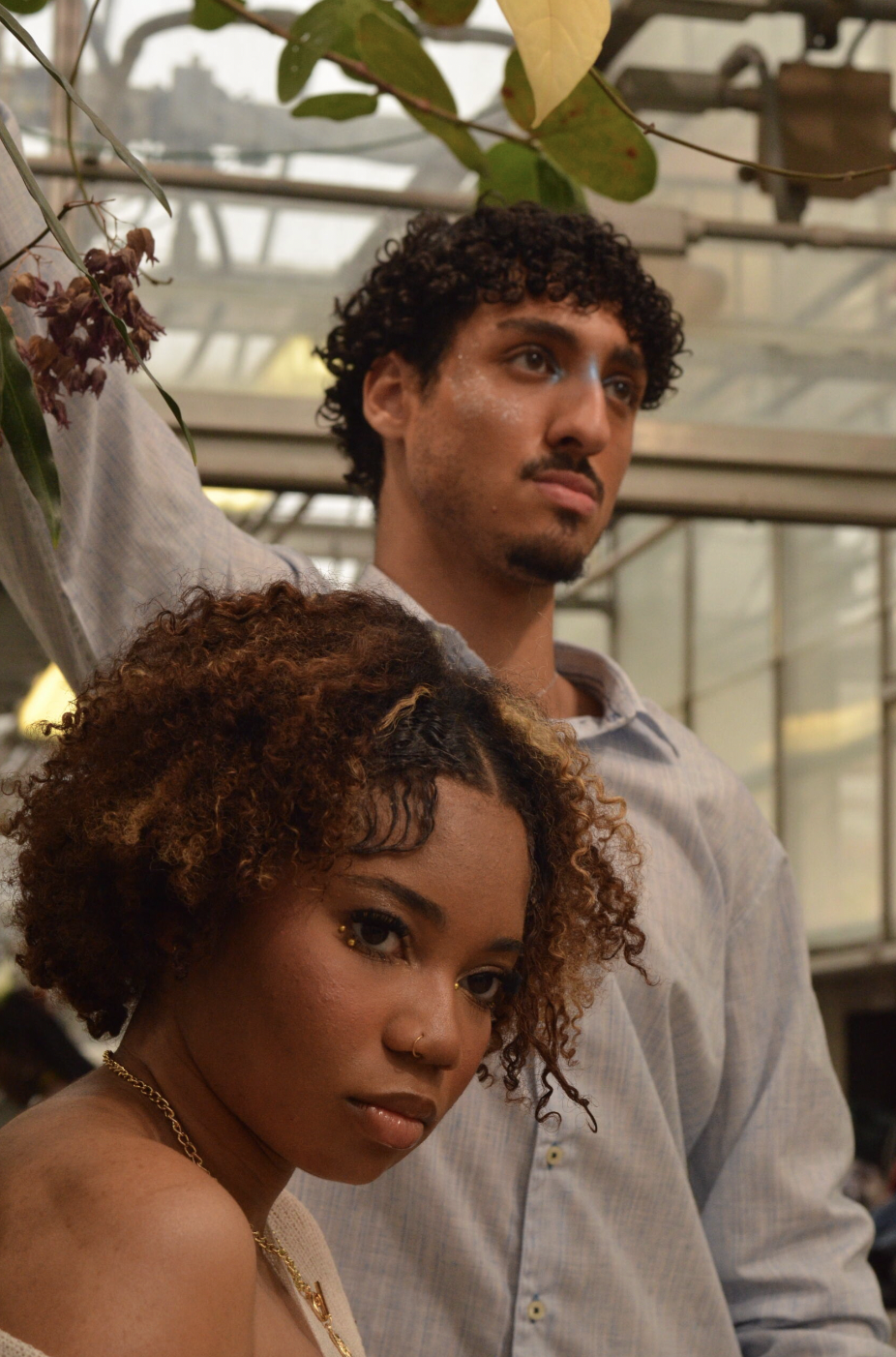
In an ecosystem, nothing exists purely for display. Every component has a role, even if it is not immediately visible. This parallels the way inspiration works in real life. Confidence is supported by vulnerability. Expression is informed by memory. Growth is sustained by reflection. What appears effortless is often the result of something steady and unseen.
There is also an inherent sense of timing in any living system — not everything peaks at once, and not everything is meant to. Some growth is immediate and visible; some requires seasons of quiet development. The issue arises when we begin comparing timelines — when we measure our progress against someone standing in a completely different environment.
In a garden, different plants respond to different conditions. Some thrive in direct light, while others require shade. Some bloom early in the season; others reach their fullest expression much later. None of them are wrong for the timing of their growth; they are simply responding to what surrounds them.
We rarely offer ourselves that same understanding.
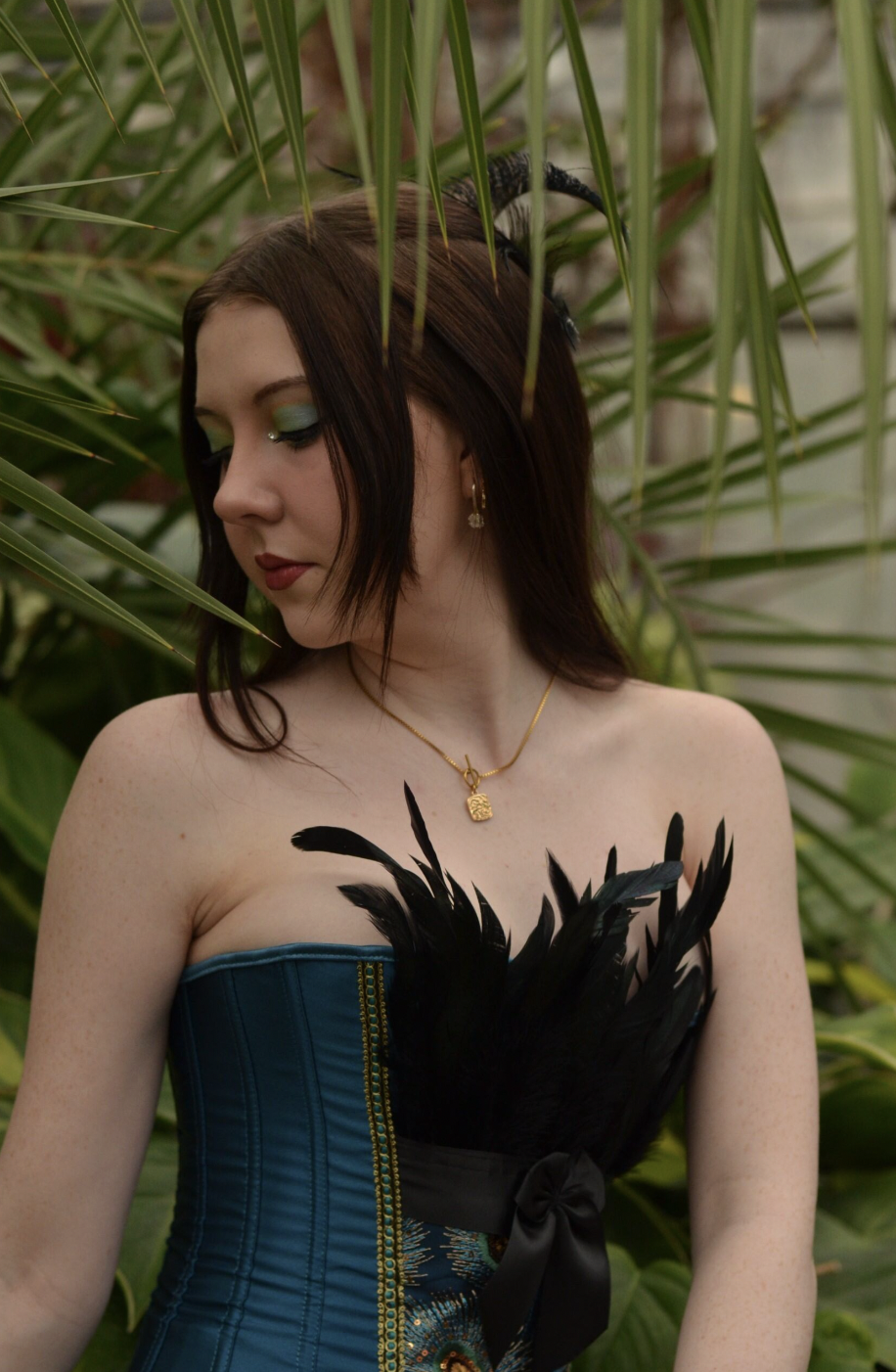
Comparison can feel constant, especially in creative spaces. It is easy to look at someone else’s visibility; someone else’s success; someone else’s moment, and question whether you are falling behind. But growth is not a competition. It is contextual. Your timing is shaped by your environment, your experiences, your preparation and your internal readiness.
What does it mean to inspire? Coming from nature, inspiration moves away from perfection and towards wholeness. A muse is not a single trait amplified for attention. Muses are complex in motion, shaped by their surroundings and shaping them in return.
By framing the muse as an ecosystem, we acknowledge that inspiration is relational. It is influenced by place, by people and by atmosphere. It is sustained through care and intention. And like any system that thrives, it requires balance.
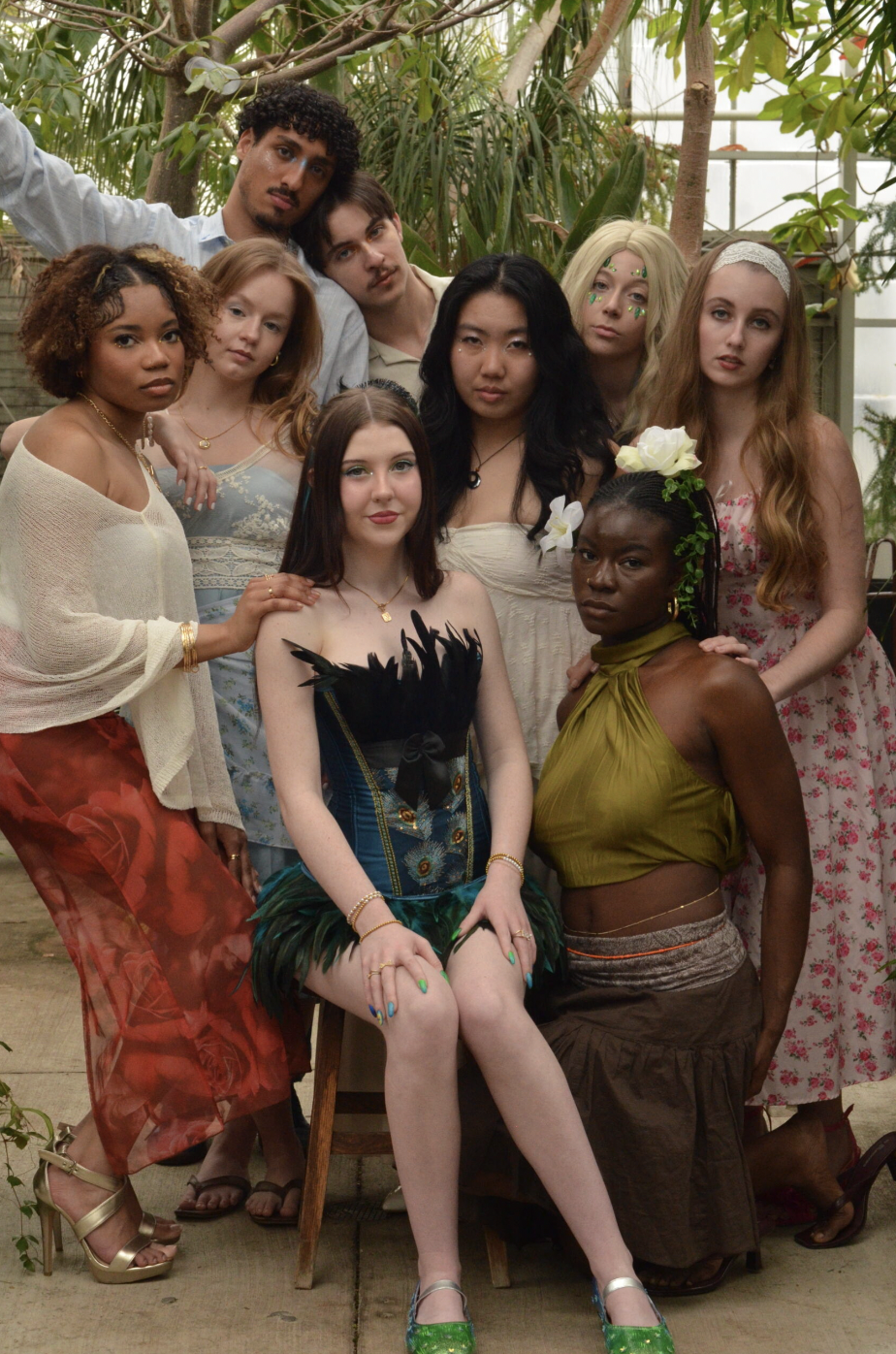
In a world that moves quickly and celebrates instant results, choosing patience can feel radical. But like any thriving ecosystem, sustainable growth cannot be rushed. It must be supported, nurtured and given time.
A muse is not something you become in one moment. Take the time to grow into it gradually, collectively and with the depth you deserve.
SHOOT LEAD Sammy Chavez | PHOTOGRAPHER Sneha Mukherjee, ASST. PHOTOGRAPHER Melody Rueda | MODELS Charlotte Conn, Sabrina Li, Emmy Daniel, Nyungnee Miller, Alicia Tate, Mia Ross, Emma Erlenbusch, Sultan Alshaye, Christian Chalkias | VIDEOGRAPHER Halle Tebbe | STYLIST Madeline Clay