Black History Month (BHM) is a month of celebration and pride for the heritage of its people.
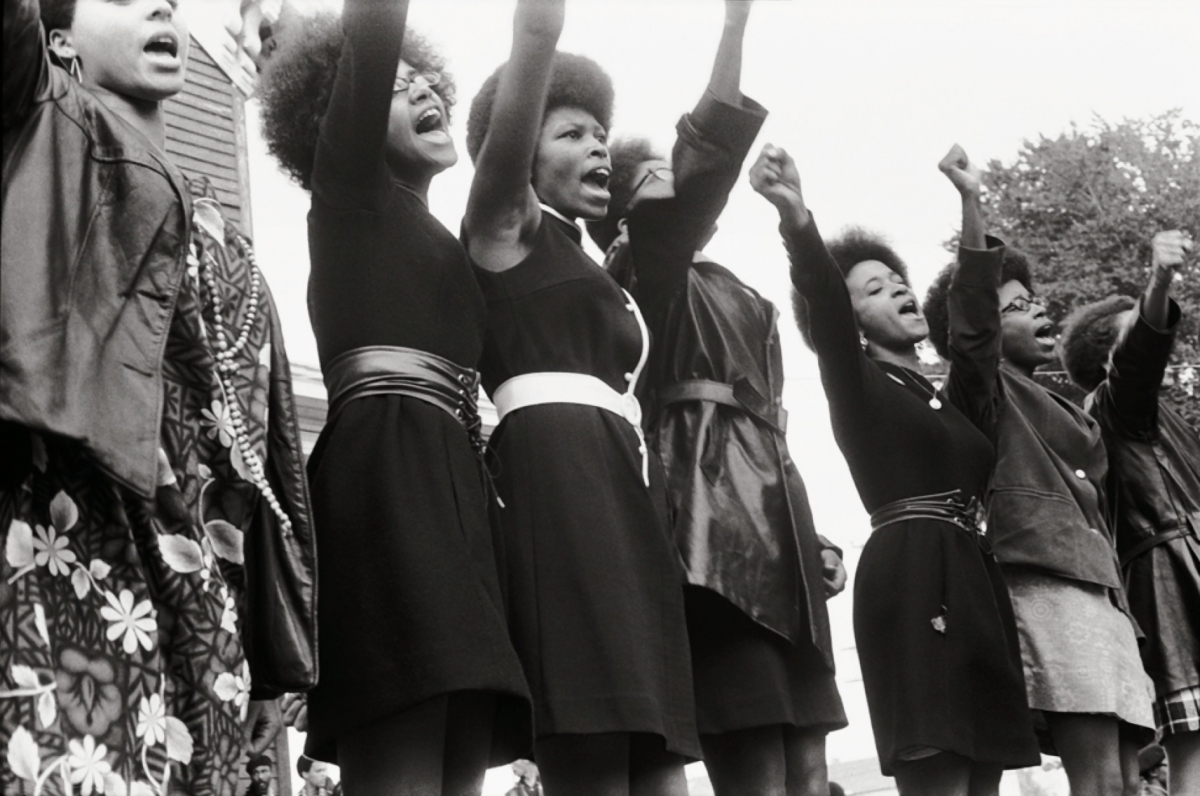
According to EducationWeek, BHM was first introduced by Carter G. Woodson in 1926. Originally, though, it was called “Negro History Week” and was observed for one week in February. Then, according to the Gerald R. Ford Presidential Library and Museum, Congress passed a law in 1986 designating February as National Black History Month.
Years later, as we continue to celebrate and honor the achievements of Black people, a few members from Scarlette Magazine were asked a few questions pertaining to Black history and their personal connection to this month.
“What Does Black History Month Mean to You Personally?”
Ellis Berry: “Celebrating and acknowledging the impact that Black Americans have made in this country.”
Icarus DeShazer: “Black History Month (which is both the shortest month and the most perfectly balanced) to me has always been a chance to bring to the limelight the various ways that black people have changed our world, in ways big and small. It reminds us of the disparity that society imposed on us and how we have overcome it in numbers of ways in many different fields.”
Jupiter Justice: “Black History Month is the time for me to reflect on the past, present and future. I spend time thinking about my grandmother who marched with Martin Luther King Jr. I think about Black activists who fought for my right to vote, attend school and exist with equal rights. I take the time to appreciate their fight and sacrifice.”
“But it’s also the time to look at the now. How can I make the future better for children of color? What can I do to improve our country and how did the activists before me do it? Black history isn't just yesterday, it’s now. History is happening all around us, and this month is the time to take a stand. If my predecessors could, I can too, and I must to make our world a better place. Their fight got me here, at The Ohio State University, and I must continue their fight, so children can continue to access equal rights and have the best future possible ahead of them.”
Jasmine Freeman: “For me, Black History Month is about celebrating every aspect of my culture that brings our community together, all while embracing the history that led us here. Black History Month is more than just a yearly homage to our culture, but rather a warm pick-me-up to remind me of where I am from and where I know I can go.”
“Can you briefly talk about a Black person who you admire who’s made significant contributions within the fashion industry, or any industry in general?”
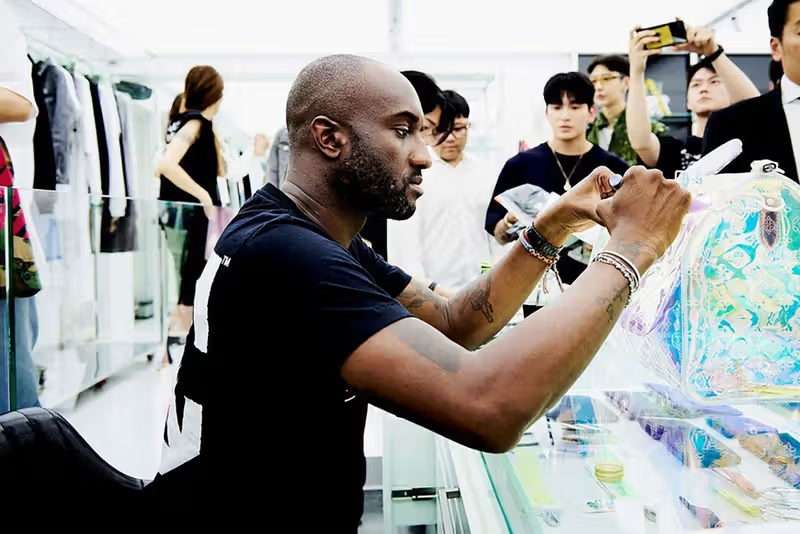
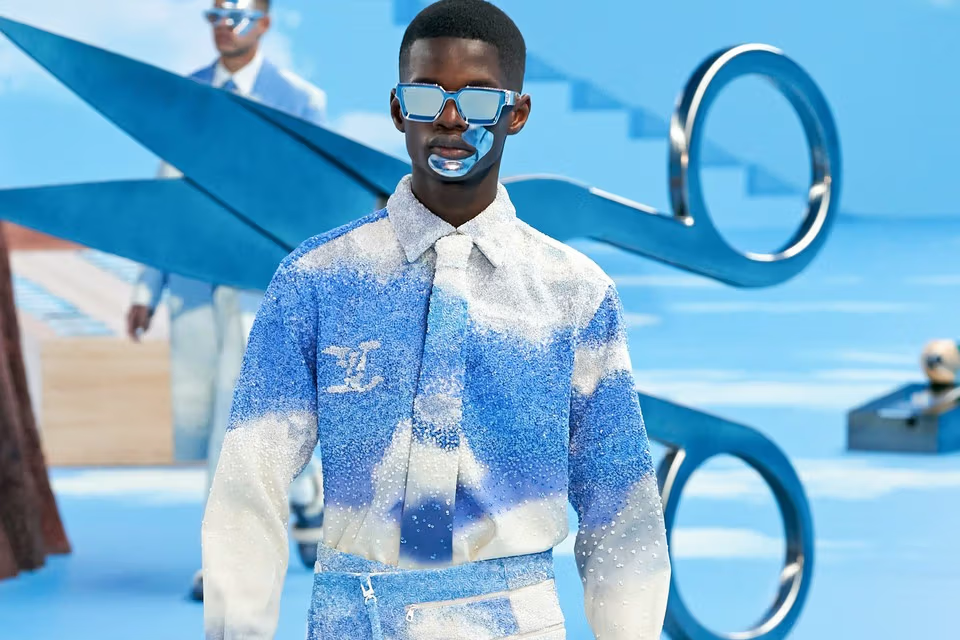
Berry: “Virgil Abloh, he used street wear and turned it into high fashion and was the first African American to be the creative director of Louis Vuitton.”

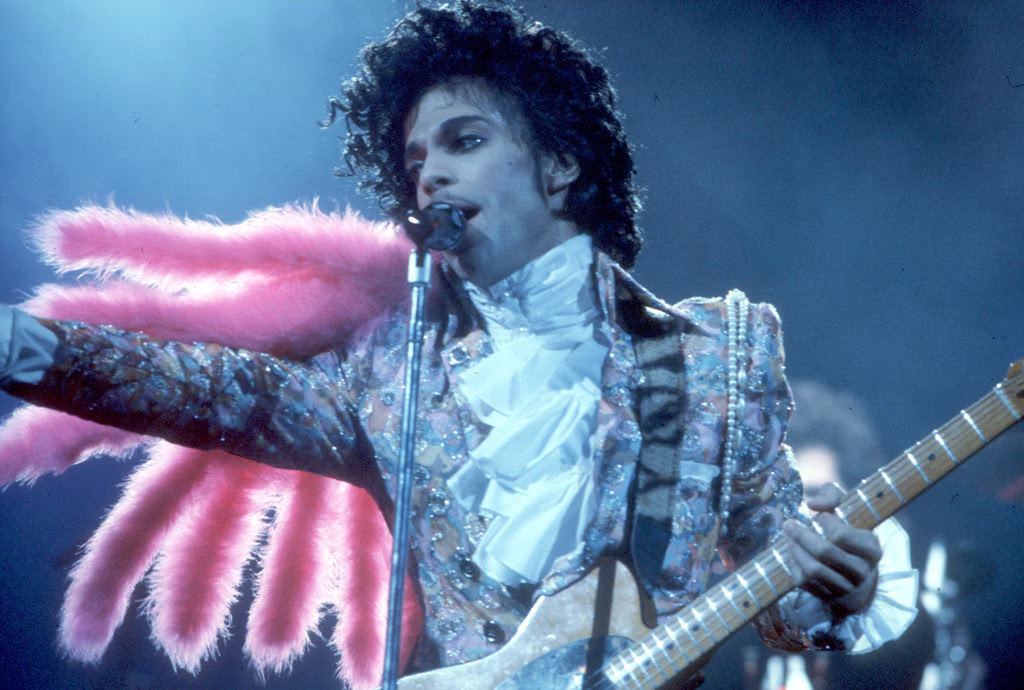
DeShazer: “Prince is my inspiration. The way he has expressed himself throughout the various eras of his life, not only through his incredible influence on music but also the way he expressed himself stylistically and sexually, was incredibly radical for its time, and much of what he did went against both racial and gender norms, which means a lot to me.”
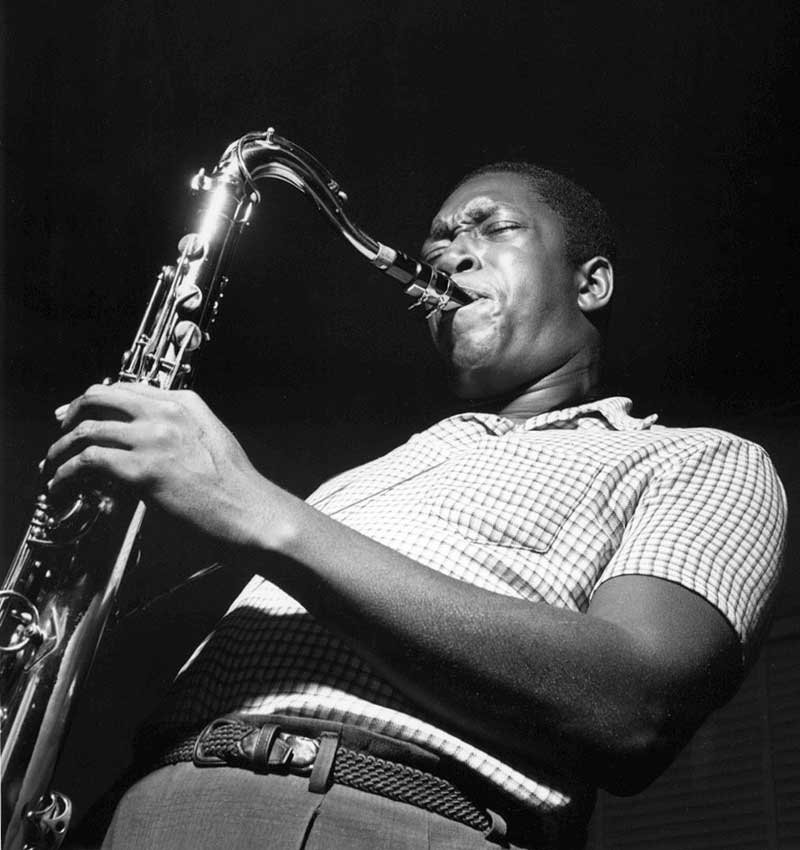
Justice: “John Coltrane was an outstanding jazz artist. His songs are so iconic they can be heard in coffee shops, movies and radio stations today. Most people know his music, even if they do not know his name. His contributions to music have led to the evolution of Black music. You can still hear his influences today in hip-hop. Kendrick [Lamar], Thundercat, Outkast and MF DOOM also look towards Coltrane for inspiration leading to some of the most popular songs of all time.”
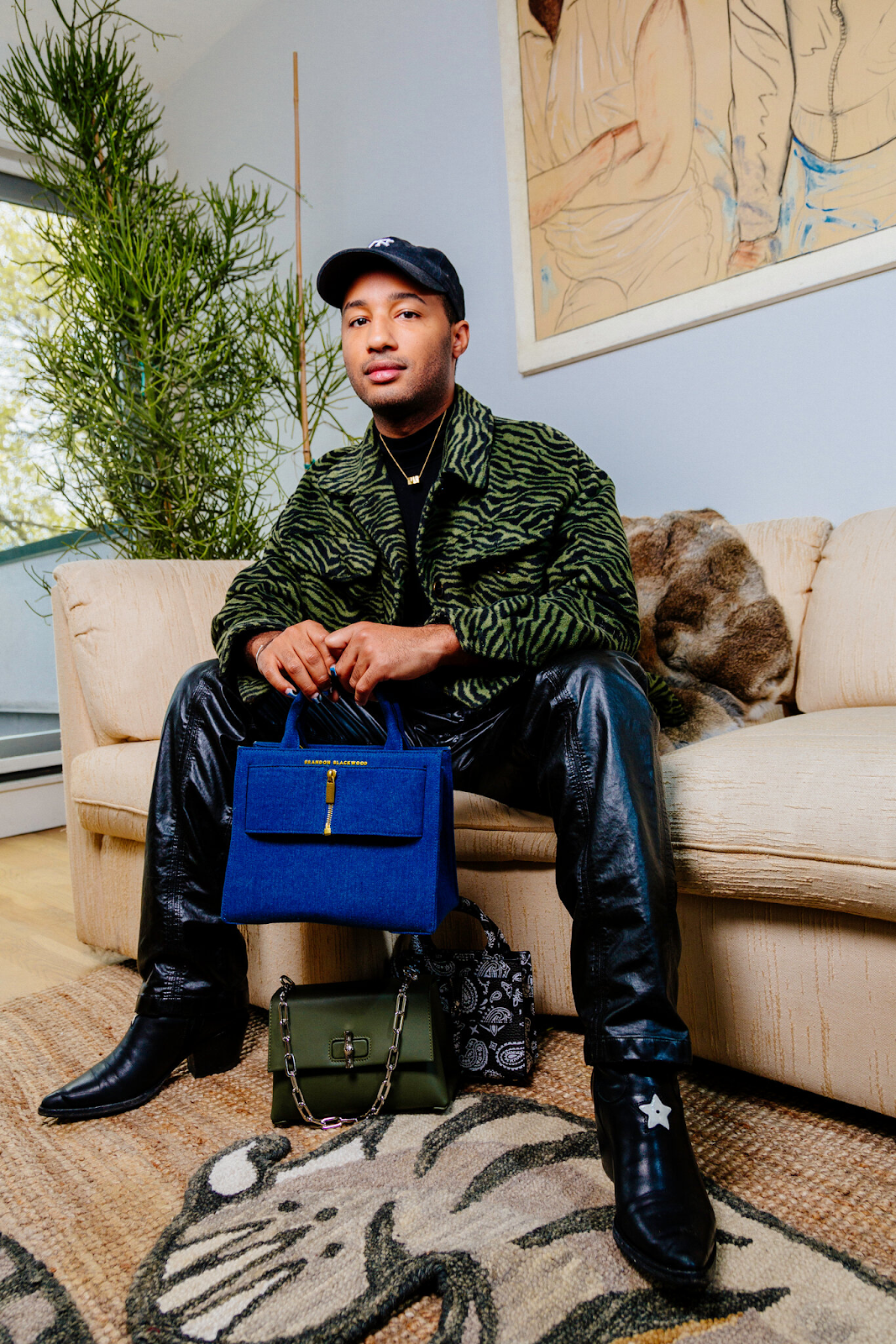
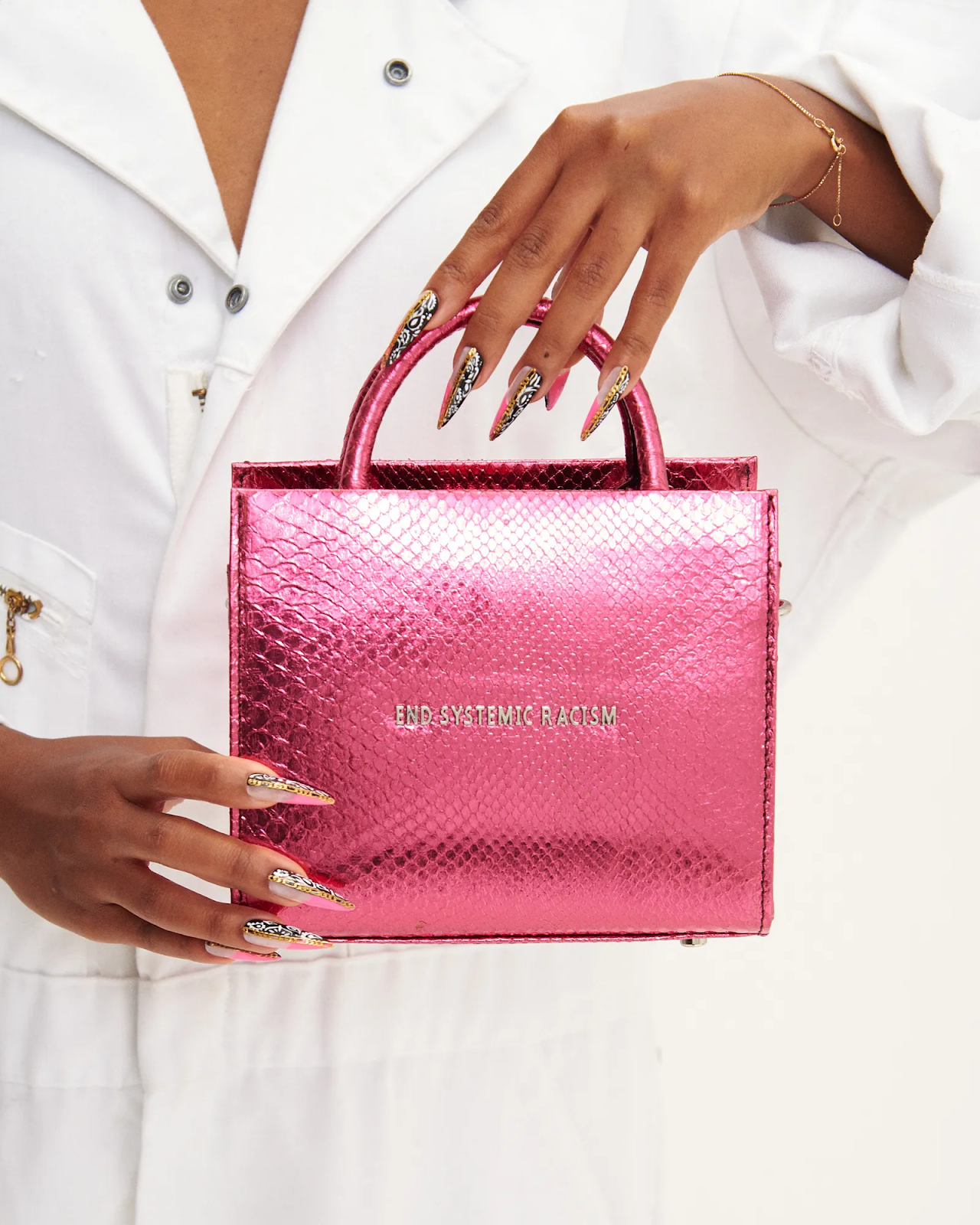
Freeman: “One of my favorite Black fashion designers is Brandon Blackwood. In my opinion, Brandon Blackwood has challenged the fashion industry in many ways. From creating unique pieces of art to using his designs as a form of activism for the Black community, he has gone against the grain to build a distinctive brand for himself. He is most known for his “End Systemic Racism” (ESR) tote that went viral in 2020 — a bag which I proudly own myself. He has even helped create a space for black designers in the luxury fashion industry, as his designs became increasingly popular through collaborations with celebrities such as Beyoncé and Serena Williams.”
“Why is it important that Black history is celebrated/remembered?”
Berry: “Because Black history is American history, and without Black people, there would be no America as we know it — Black people have shaped nearly every form of culture in this country. While also remembering the centuries of oppression that comes with having a darker skin color.”
DeShazer: “Black history is history. Learning of the past, learning for the future, includes understanding all the sides of history, including the brutal parts. Deconstructing stigmas and developing stronger communities and better interpersonal relationships on a national and perhaps even global scale starts with being well informed on our reality — and Black history is an incredibly significant part of why we are where we are in America, financially, socially, culturally, geographically and spiritually.”
Justice: “Black history month is about taking time to recognize the historical influences of Black Americans. Since most of the curriculum/conversations are centered around whiteness, we have to take a moment and focus on other communities’ contributions to America.”
“We can look at music like jazz, rock and hip-hop. Those genres are revolutionary, and Black artists paved the way/created these genres. We can look at civil rights activists like W. E. B. Du Bois, Ida B. Wells and Ruby Bridges, who fought for our rights and introduced critical theories on race in America. And we can look at Black inventors who created things like gas-powered central heating systems, the first home video game system with cartridges and the clothing dryer.”
“There are so many historical Black figures we can look to and be inspired by. We need to learn about our history so we feel proud of our Blackness. We are more than what society expects us/tells us to be.”
“It also allows us to come together as a country. Recognizing other people’s talents and skills does not take away from your own. Instead it shows us the power and beauty that lives within diversity. And how important it is to protect diversity, equity and inclusion, because that is what makes our country great.”
Freeman: “The celebration of Black History Month is important as it honors the many overlooked contributions of the Black community on a global and national scale. It also creates an opportunity to recognize Black leaders and their contributions. Lastly, Black History Month calls for equal representation as it serves as a tool for social justice, giving visibility to the ongoing struggle for civil rights.”
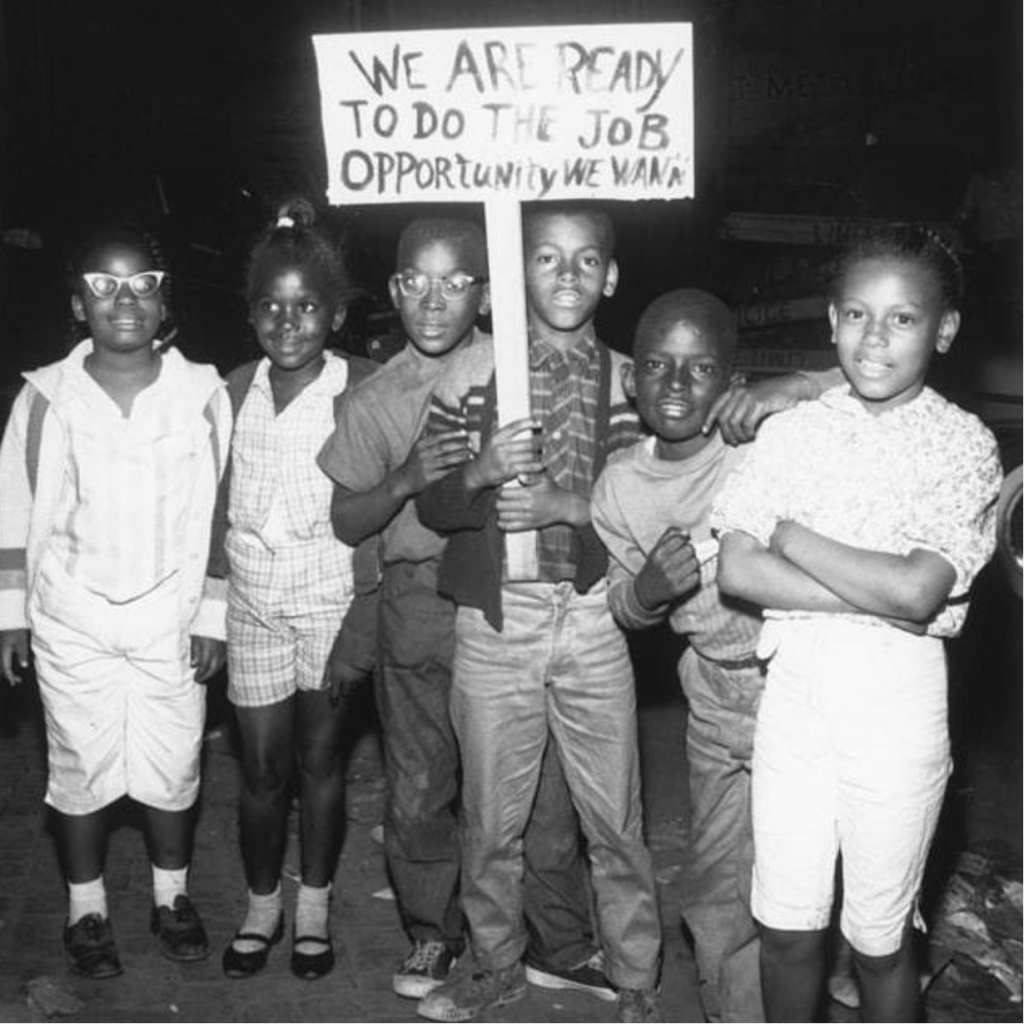
As this month comes to a close, take time to reflect on the contributions that Black people have made to this country. Remember the achievements of those from the past, but also recognize those who are currently making history by continuing to make a difference and achieving greatness.
Happy Black History Month from Scarlette Magazine.