There's a stereotype that says immigrant children are notably more focused in science, music or math.
Patterns appear for a reason. Non-linguistic universal languages are a constant for immigrants, and for many, it’s a way to find accessible and applicable topics to garner stability within the chaos of new surroundings and language barriers. Searching for order and competence is how we can first establish our own foundation when everything else seems beyond our grasp.
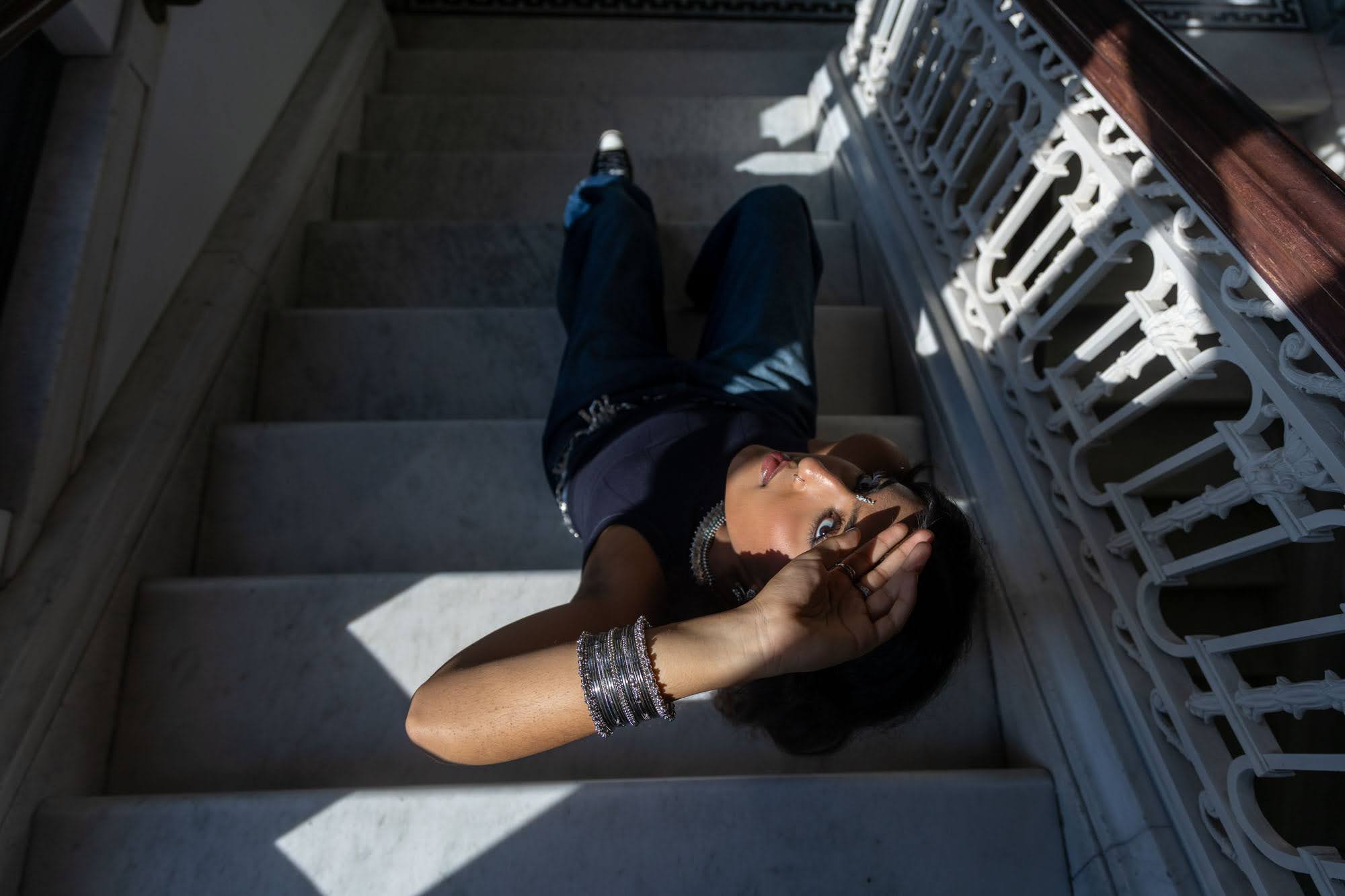
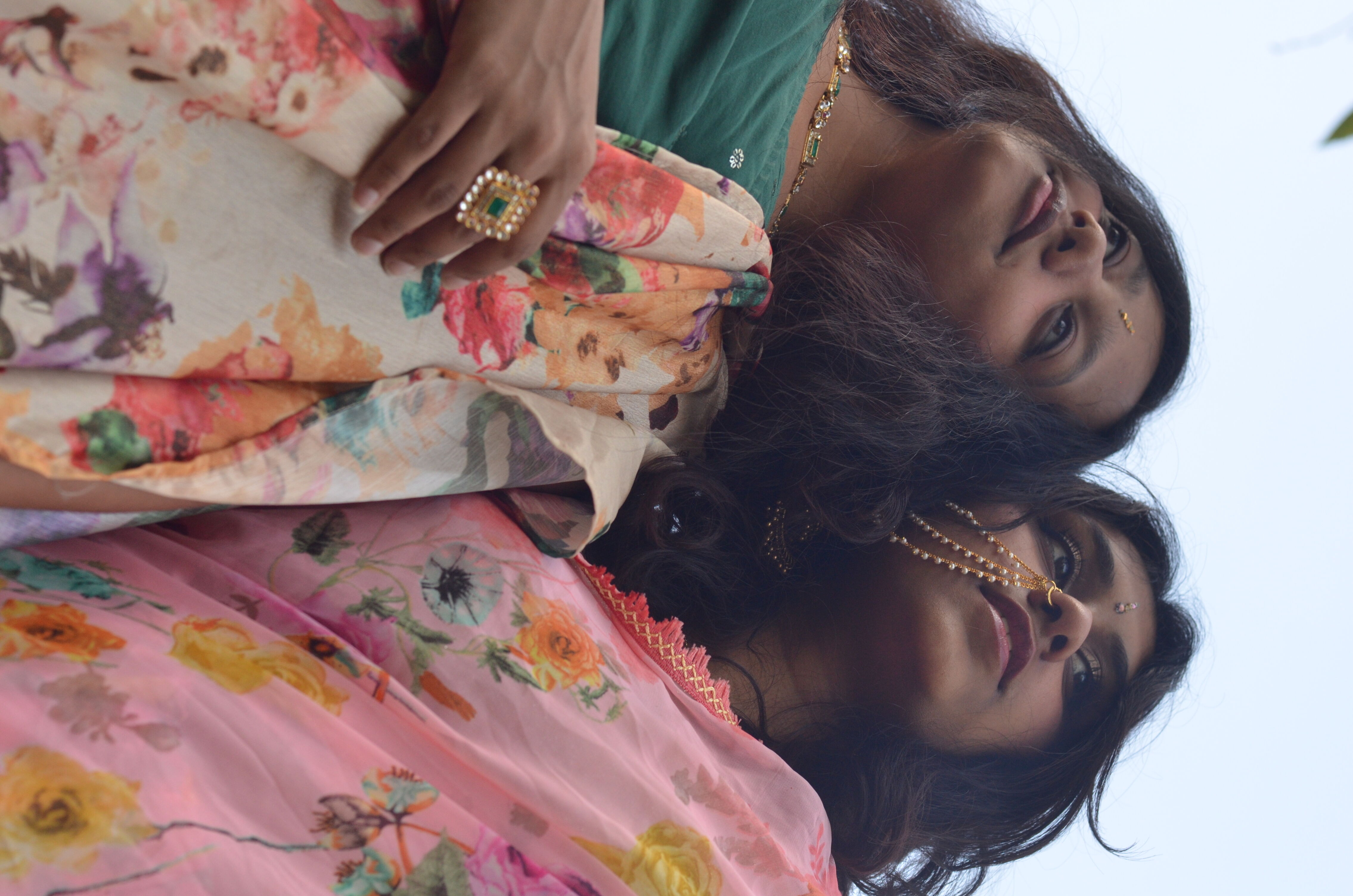
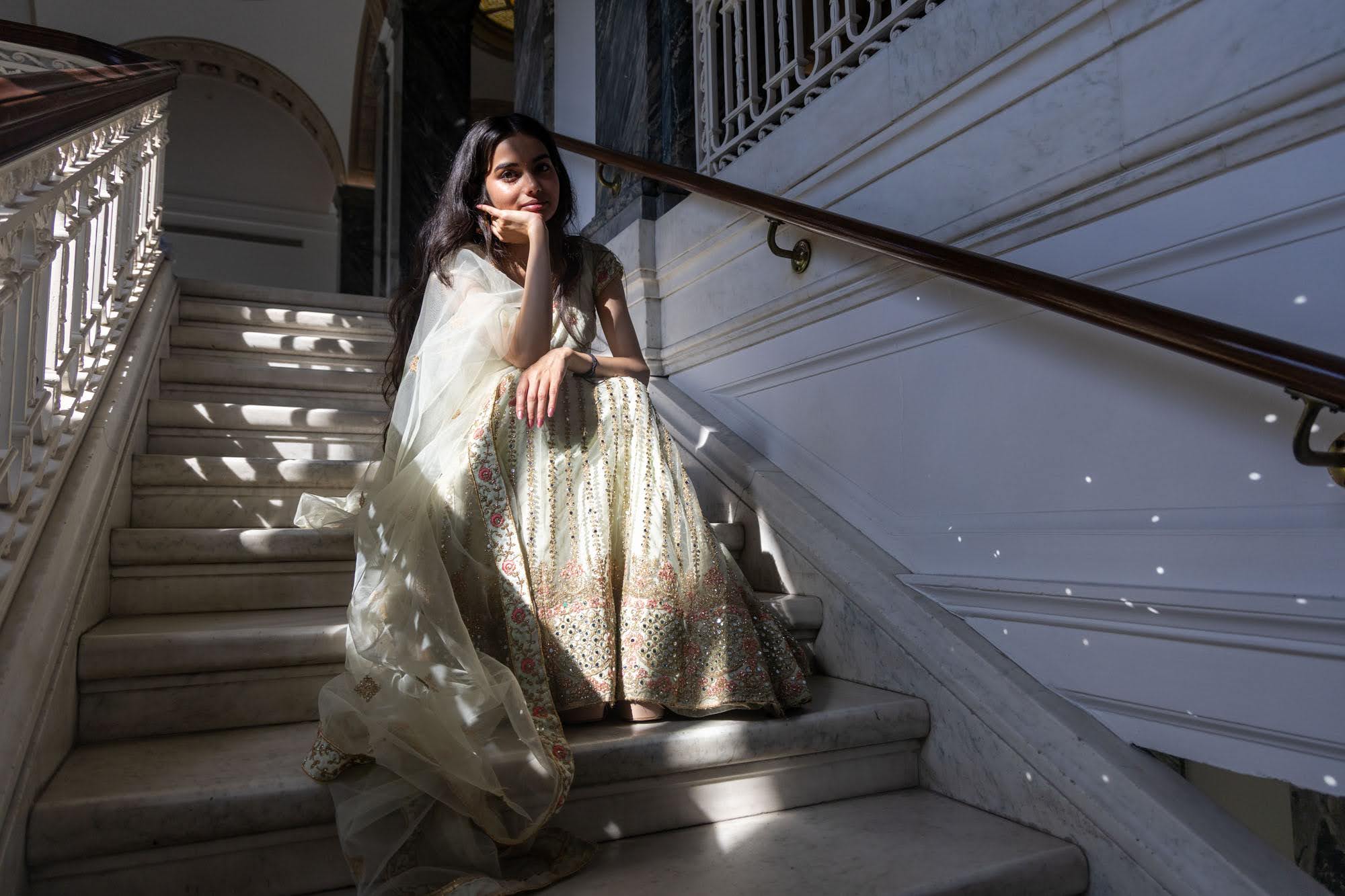
For those who have left their place of origin, there’s a fraying feeling that centers on displacement and homesickness. More often than not, this feeling does not go away.
The bittersweet ache surfaces after celebrating a holiday abroad with a small, makeshift version of a tradition that, back home, would include an entire family. How can you get through terrible days knowing that your support system is miles away? It gets especially complicated when the very people who came abroad to find new experiences and education realize that their new residence, the United States, is engaged in conflicts with their home country. Is this a betrayal? At the end of the day, how do you know where home truly is?
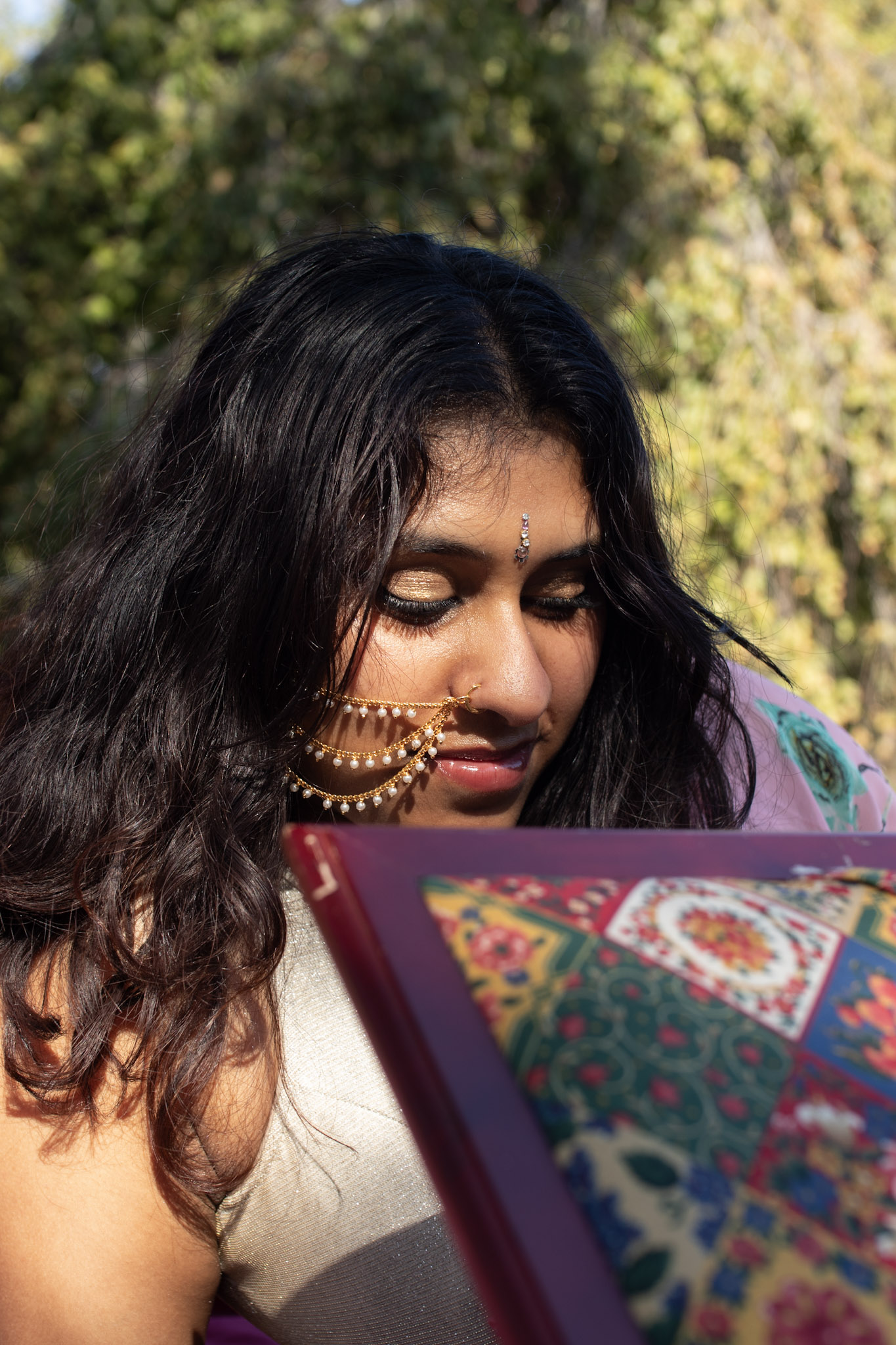
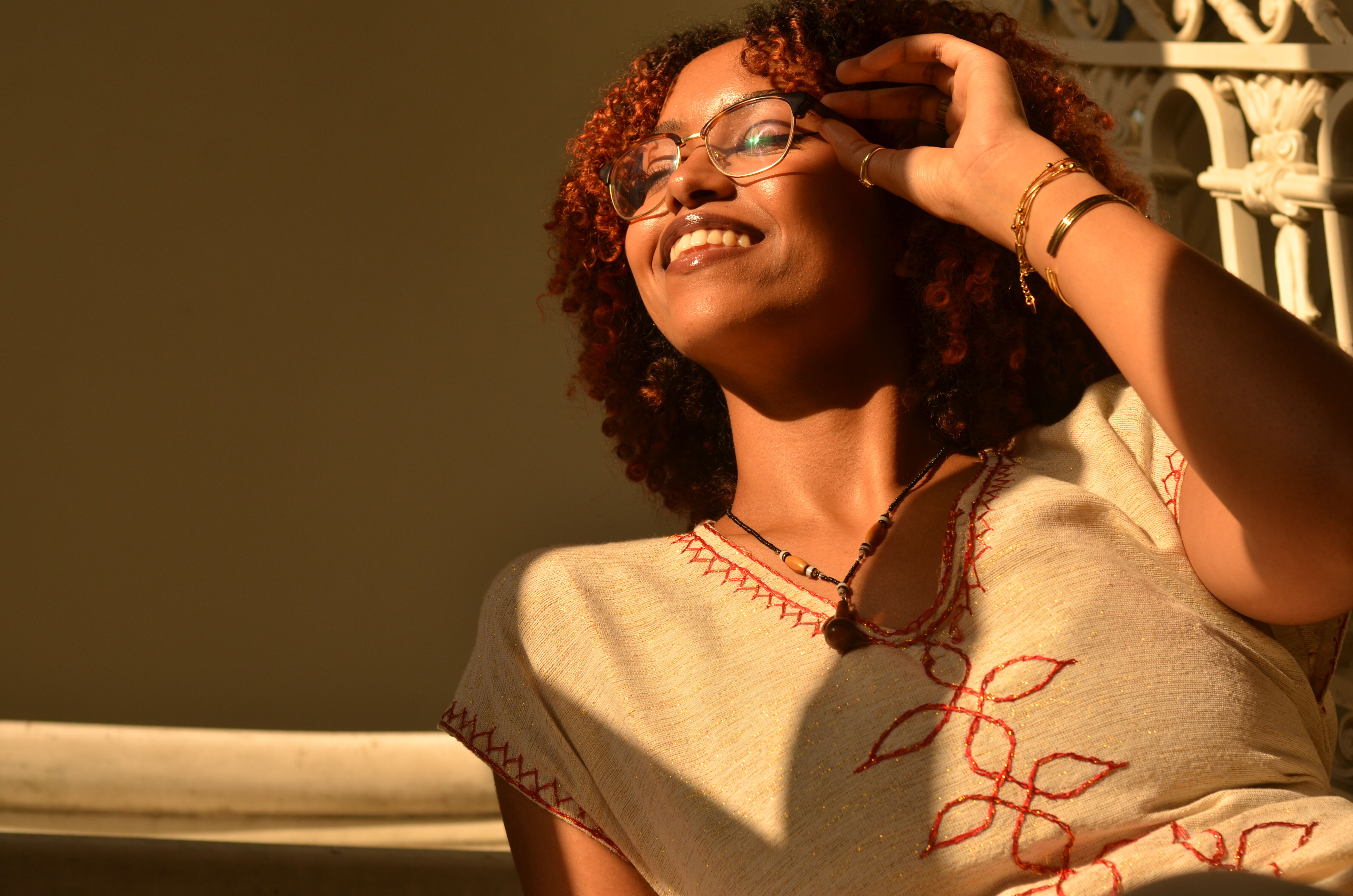
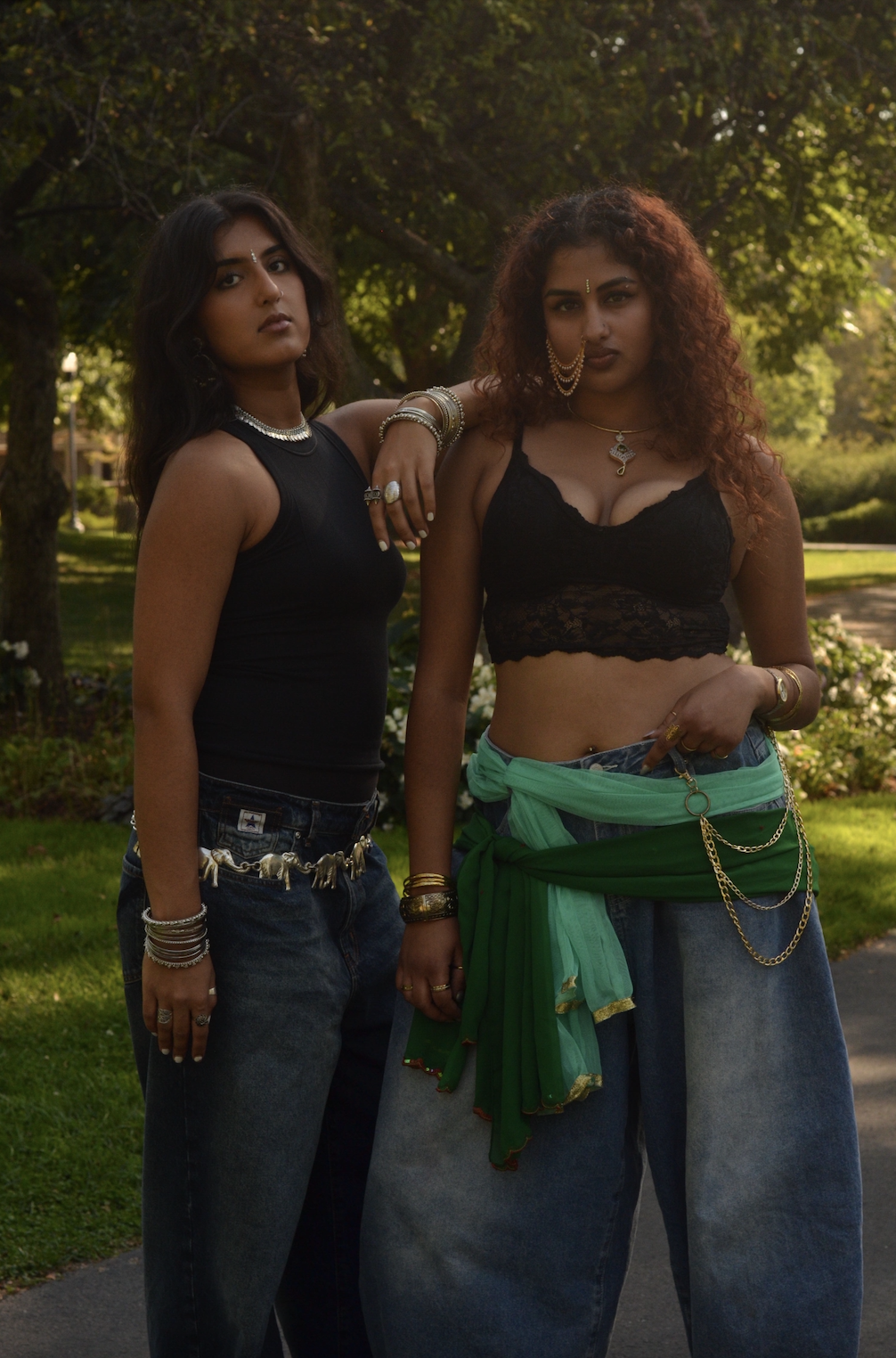
We see this idea of home everywhere: in movies, stories and art. It’s brought together with entangling scents, sounds and memories; the specific aroma of a childhood kitchen, the familiar cadence of a local dialect and the unspoken comfort and ease of belonging in a community.
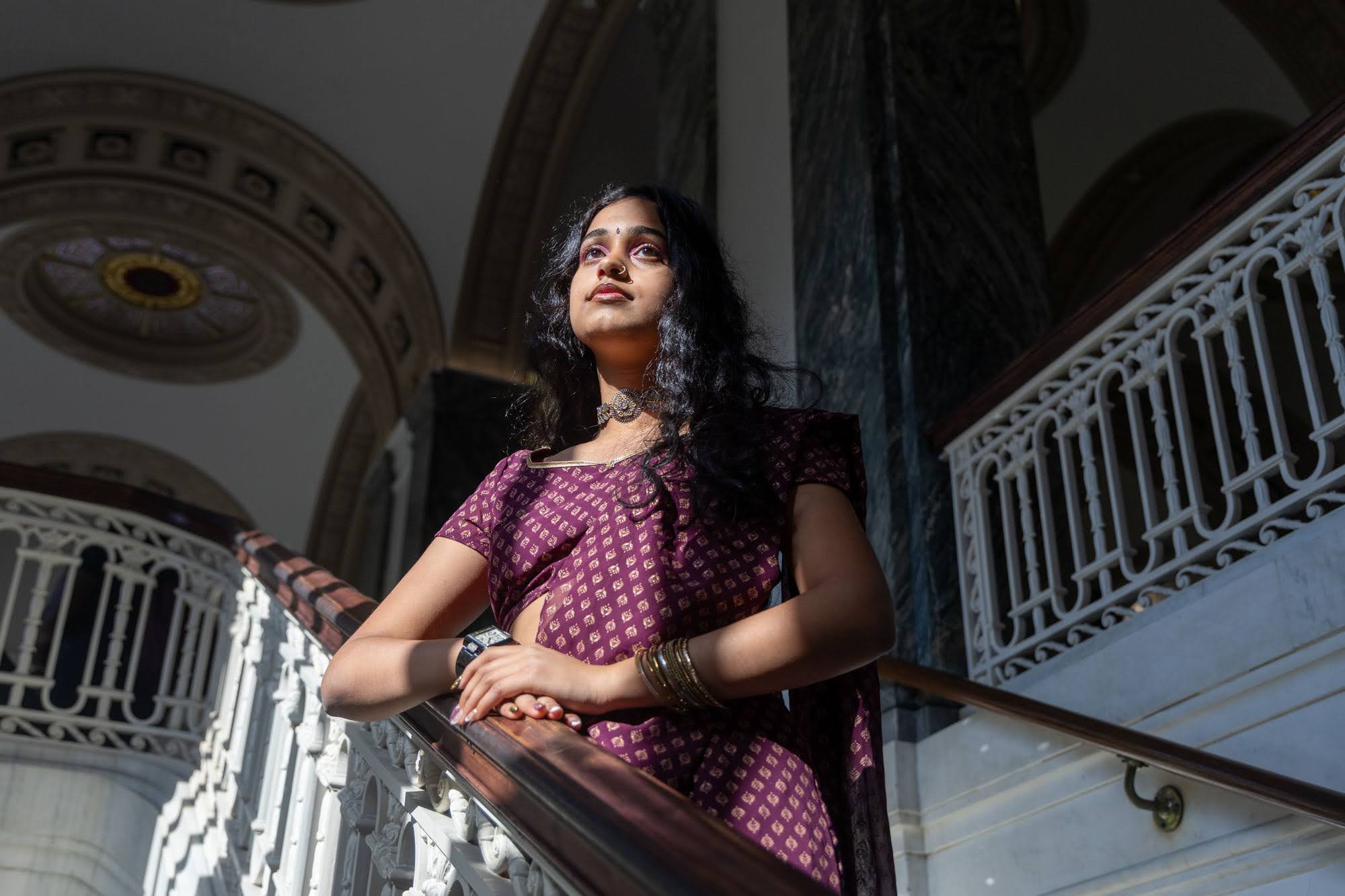
Held close to many children of immigrants is a duality that bridges past generations with our current society. The weight of their dreams and sacrifices lie heavy on the shoulders of their children, and success slowly turns into a justification for praise. Risks of being too “white washed,” or too distant from the roots that our parents hold close never really go away. Even in the country we’re born and raised in, it is incredibly easy to feel perpetually “other.” We’re marked as outsiders, even to our parents.
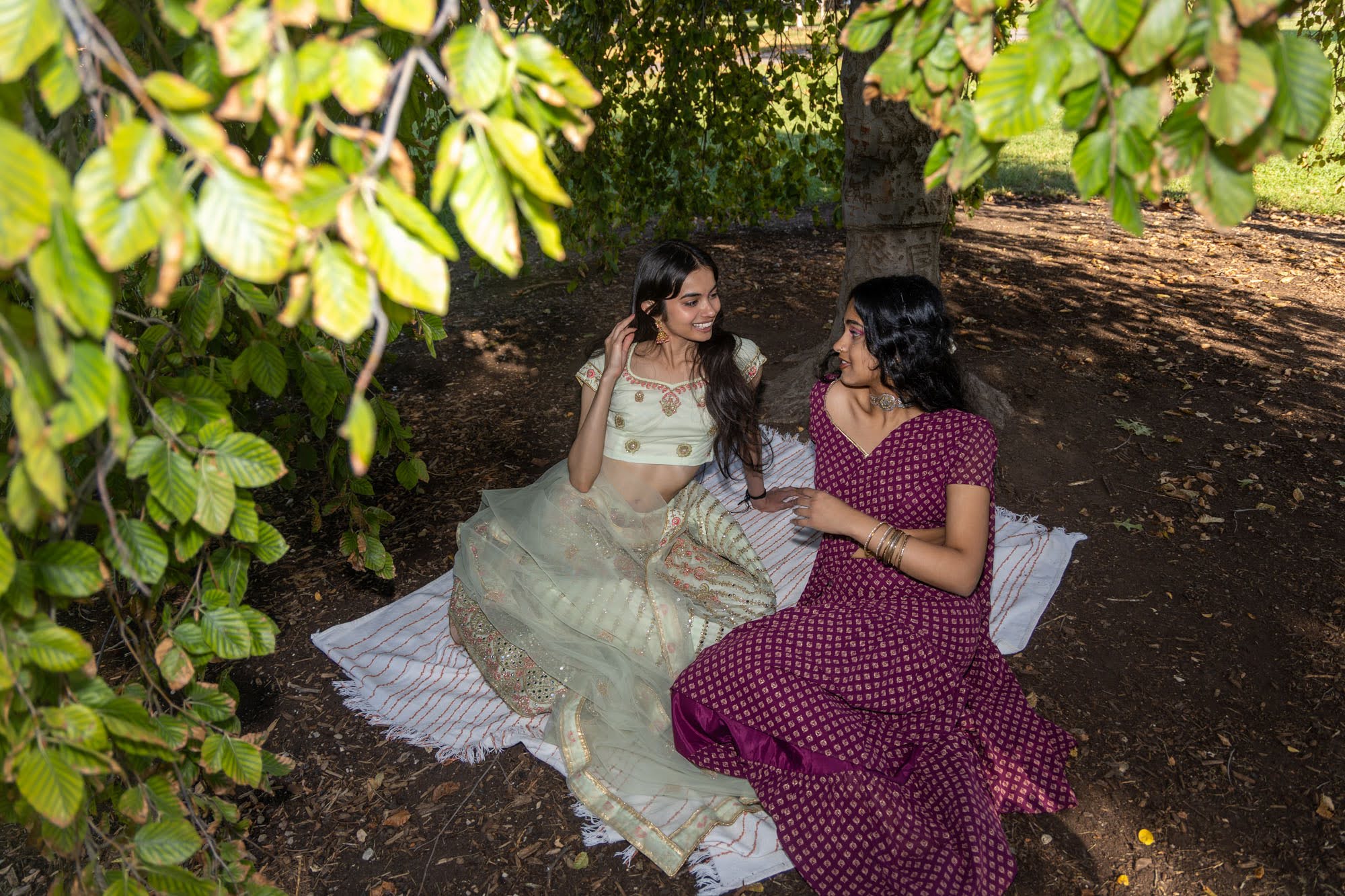

Yet within this sense of dissonance lies a strength. Liminal space is not void, but a place for building resilience and cultivating empathy. Seeing multitudes of perspectives from our parents, friends and even ourselves develops an appreciation for our heritage, no matter where we are physically.
This longing for a physical return may never fully disappear, but there is a wonderful hope laying in the depths of such complexity. What was once a source of pain is now a fertile soil in which growing identities and blooming communities can grow.
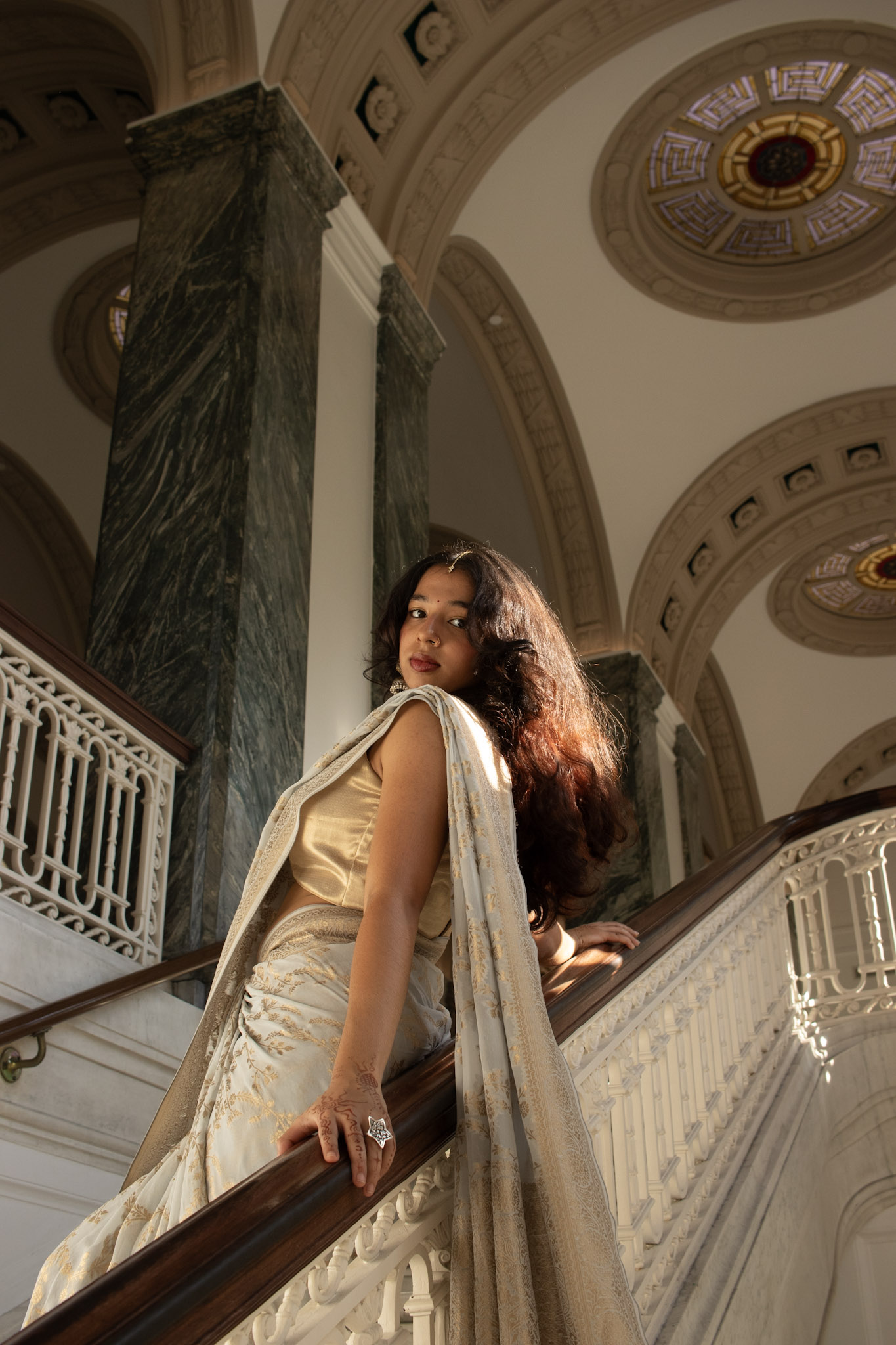
Our journey is not to erase the longing for one home, but to expand on the definition of home, itself. Build a new sense of belonging through cherished fragments of the past and the wonderful possibilities of the present. Home can eventually become the courage you need to carry your roots with you, wherever you are planted.
SHOOT LEADS Maggie Harkins, Cherod Bowens, Vani Modi / PHOTOGRAPHERS Sandra Fu, Shreya Jain, Maggie Harkins, Sneha Mukherjee / MODELS Avani Dhyani, Maylatt Eyassu, Neha Bhatnagar, Pragalya Arumugam, Siya Patil, Vani Modi / STYLIST Sneha Mukherjee