Is fashion a representation of expressive creativity or polished sophistication? Better yet, is there a time and place for both?
The line between dressing to a certain degree of professionalism versus dressing to represent your personal identity is thin, and societal trends have made it difficult to determine what the standard for dressing should be. According to Emma Feria, the Editor-In-Chief for The Tartan, Gordon College’s official student newspaper, fashion affects more than how people carry themselves or what they look like—it changes how they’re perceived.

Dress codes began to set in after the well-known court case Tinker v. Des Moines Independent Community School District, when high school students wore black bands around their arms to protest the Vietnam War. According to the Free Speech Center at Middle Tennessee State University, school systems began shifting towards a dress-coded system in the 1980s and 1990s, embedding school uniforms in public and private schools across the country.


Formally stated dress codes aren’t the only thing holding society to a certain fashion standard—it is universally understood that “business casual” is the norm for events such as interviews, career fairs, meetings or day-to-day jobs. Employers are more likely to hire someone and take someone seriously if they look put together and organized. According to Student Affairs at Texas A&M University, appearance matters and can demonstrate a sense of respect, increasing your chances of success in the workplace.
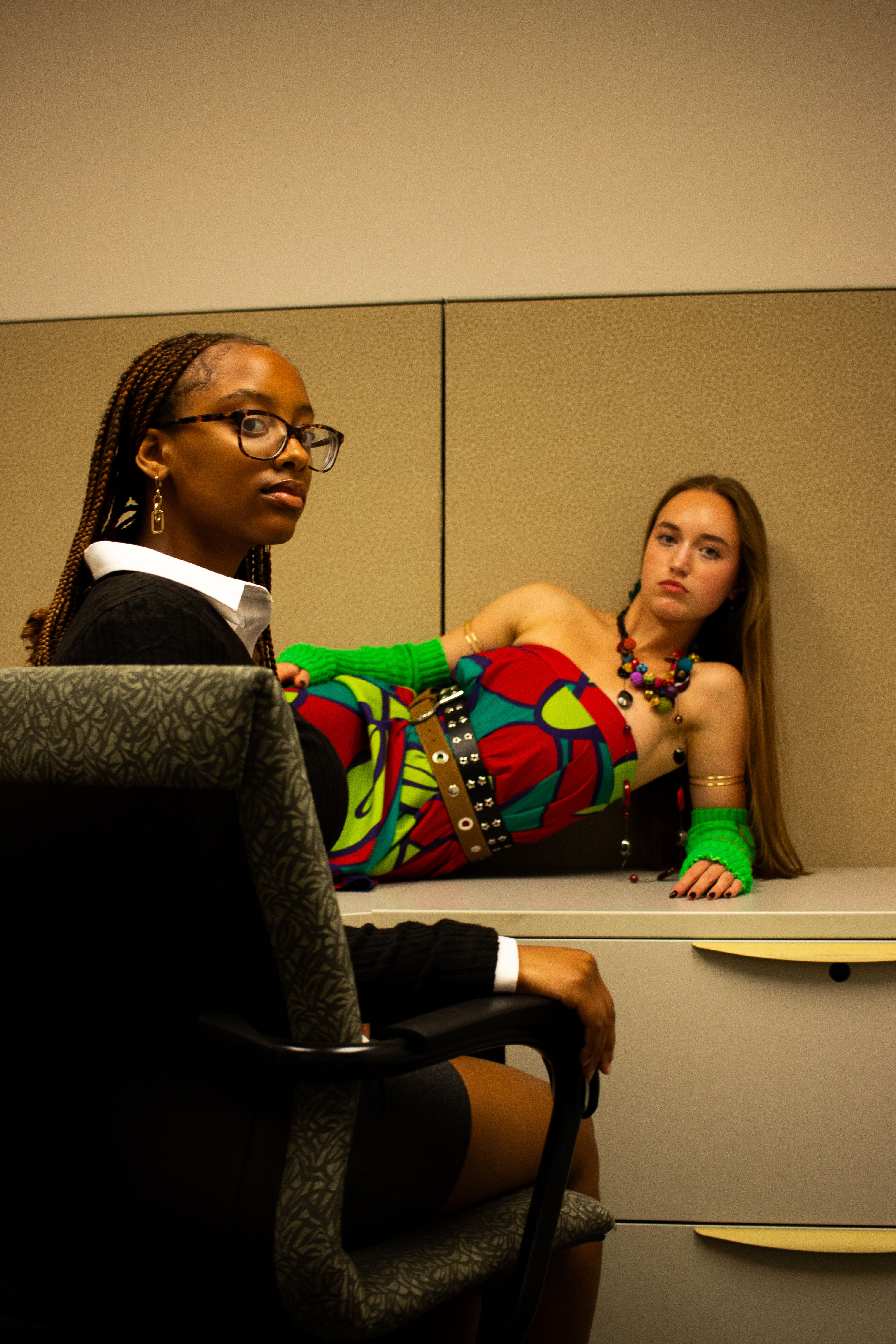
But what happens when sophisticated attire sacrifices authenticity for formality? There are many benefits to dressing to represent personal style while still being professional, this mixing aiding in self-confidence, opportunities to show peers personal interests and an encouragement of workplace diversity.
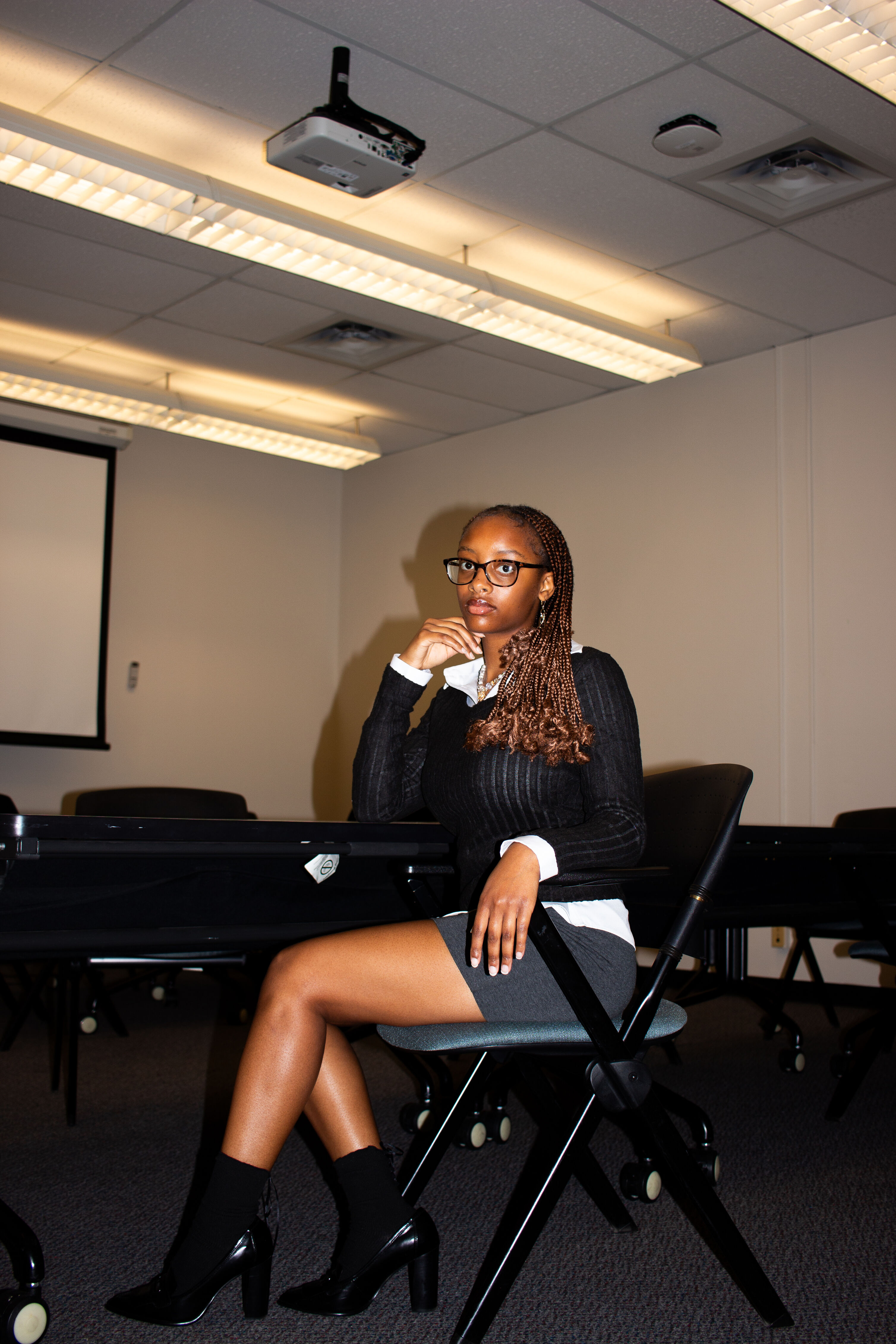

According to the Indian Institute of Fashion Technology, fashion is “a powerful form of non-verbal communication, speaking volumes about your personality, values, and mood before you even say a word.”

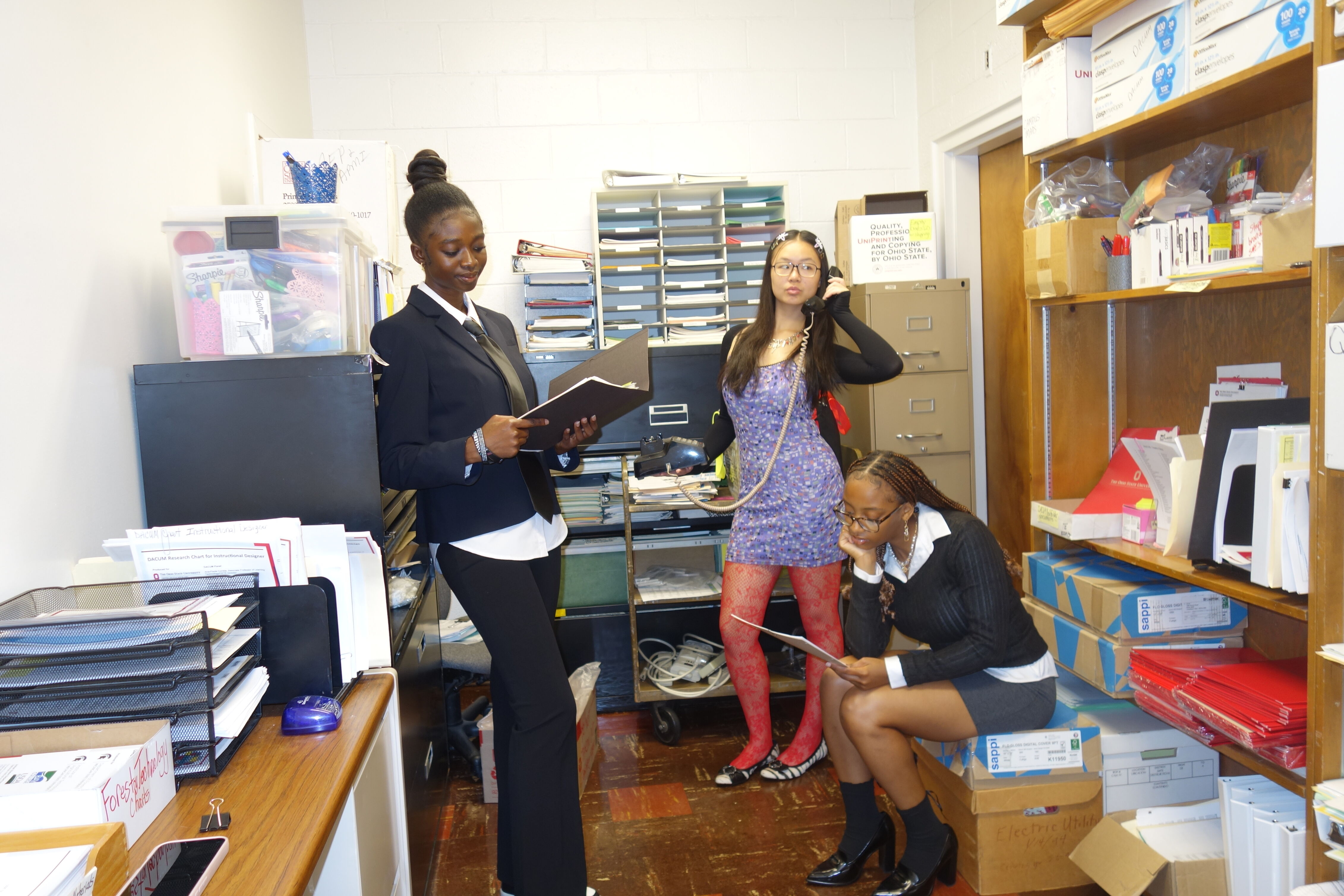
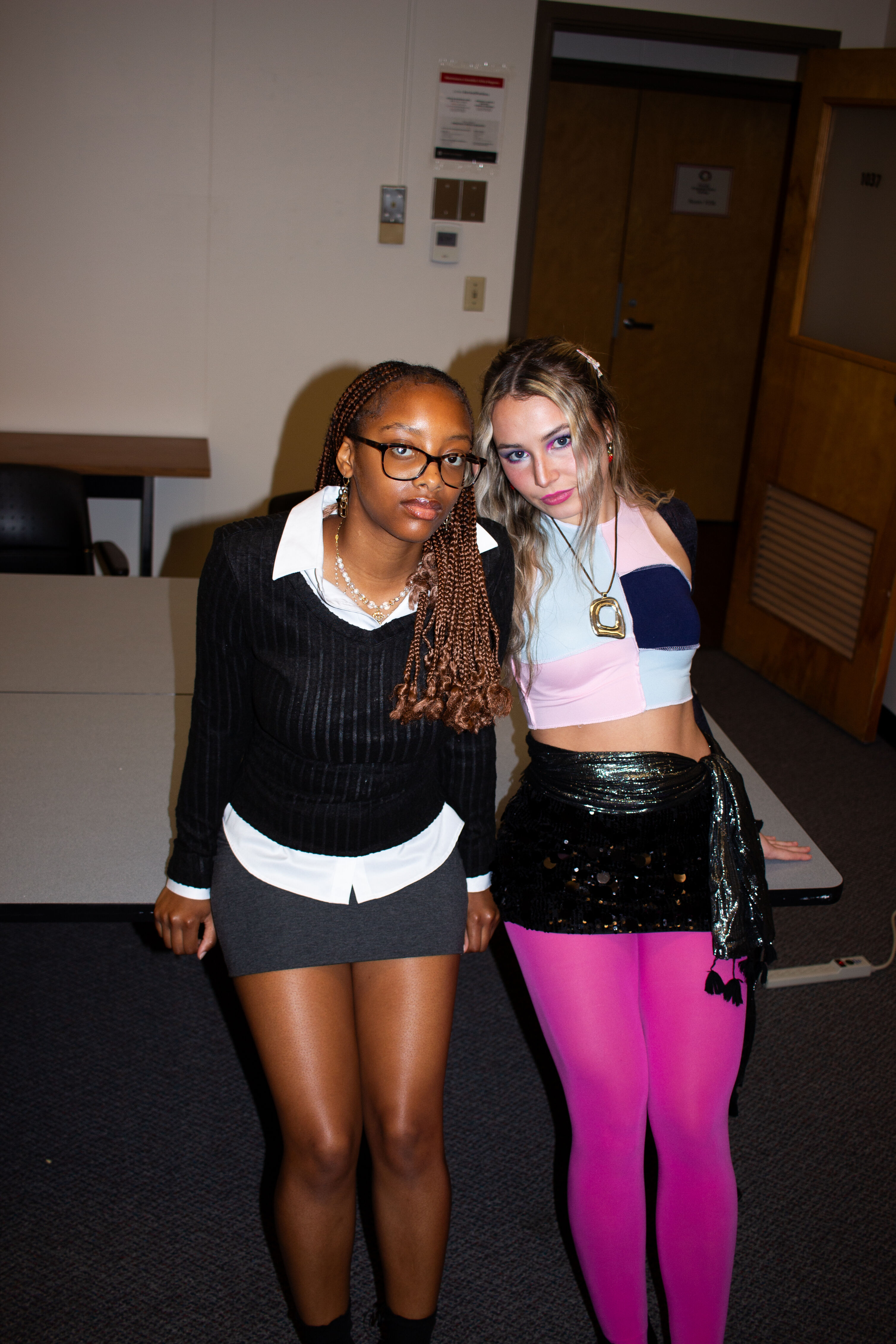
Being able to dress in clothes that people actually enjoy wearing is not only important—it’s fun. Many iconic characters are known for their unique style, and it is simply a part of what makes that character entertaining to watch on screen. Phoebe Buffay from “Friends” is a great example of this. What one might see as “chaotic,” she sees as something that perfectly represents her personality. Often seen in bright colors, funky hats and patterns, Phoebe’s style beautifully encapsulates her quirky character.
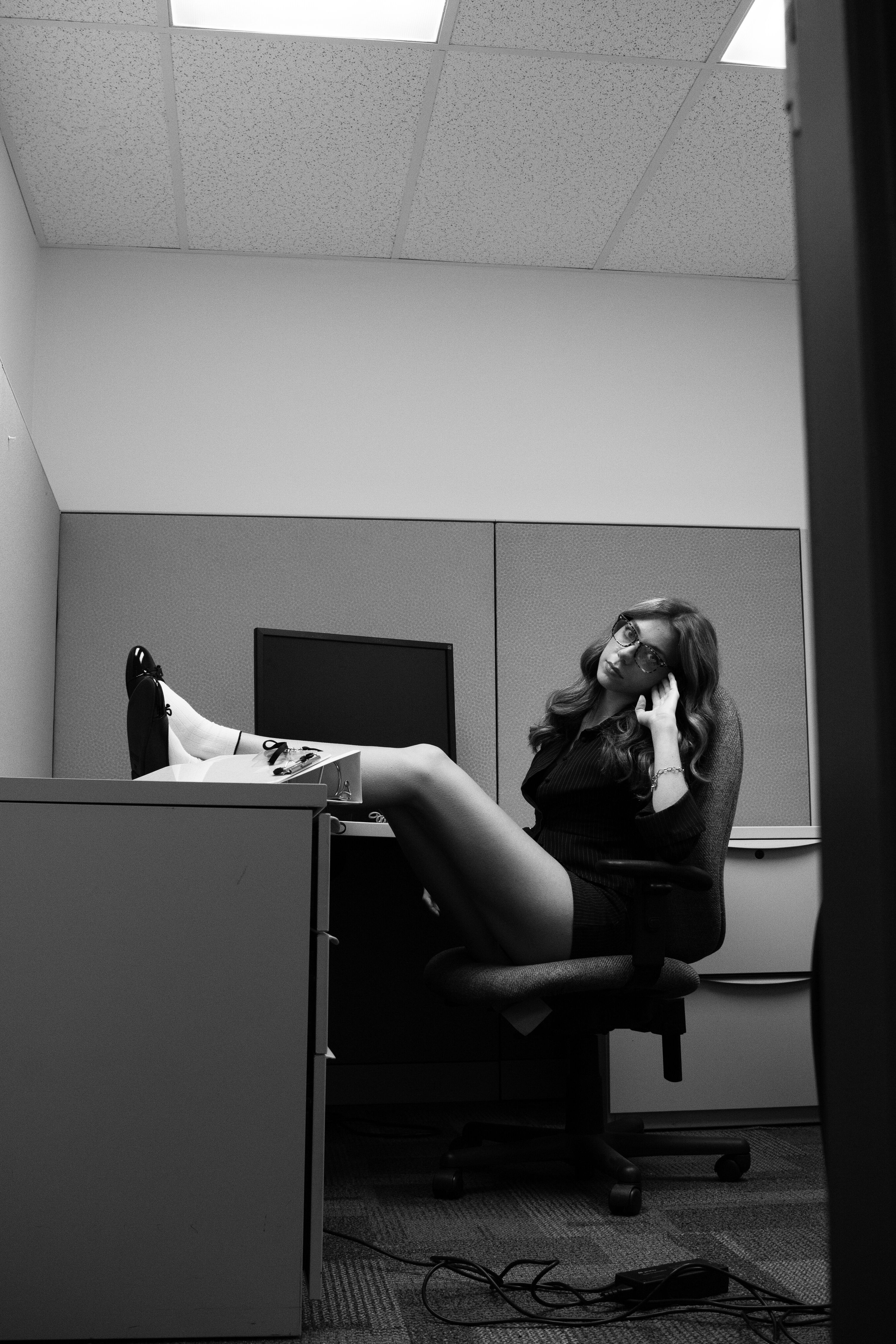
While a chaotic, personal style may differ from a sophisticated business look, this does not make one superior to the other. Both of these styles have different settings in which they are appropriate.
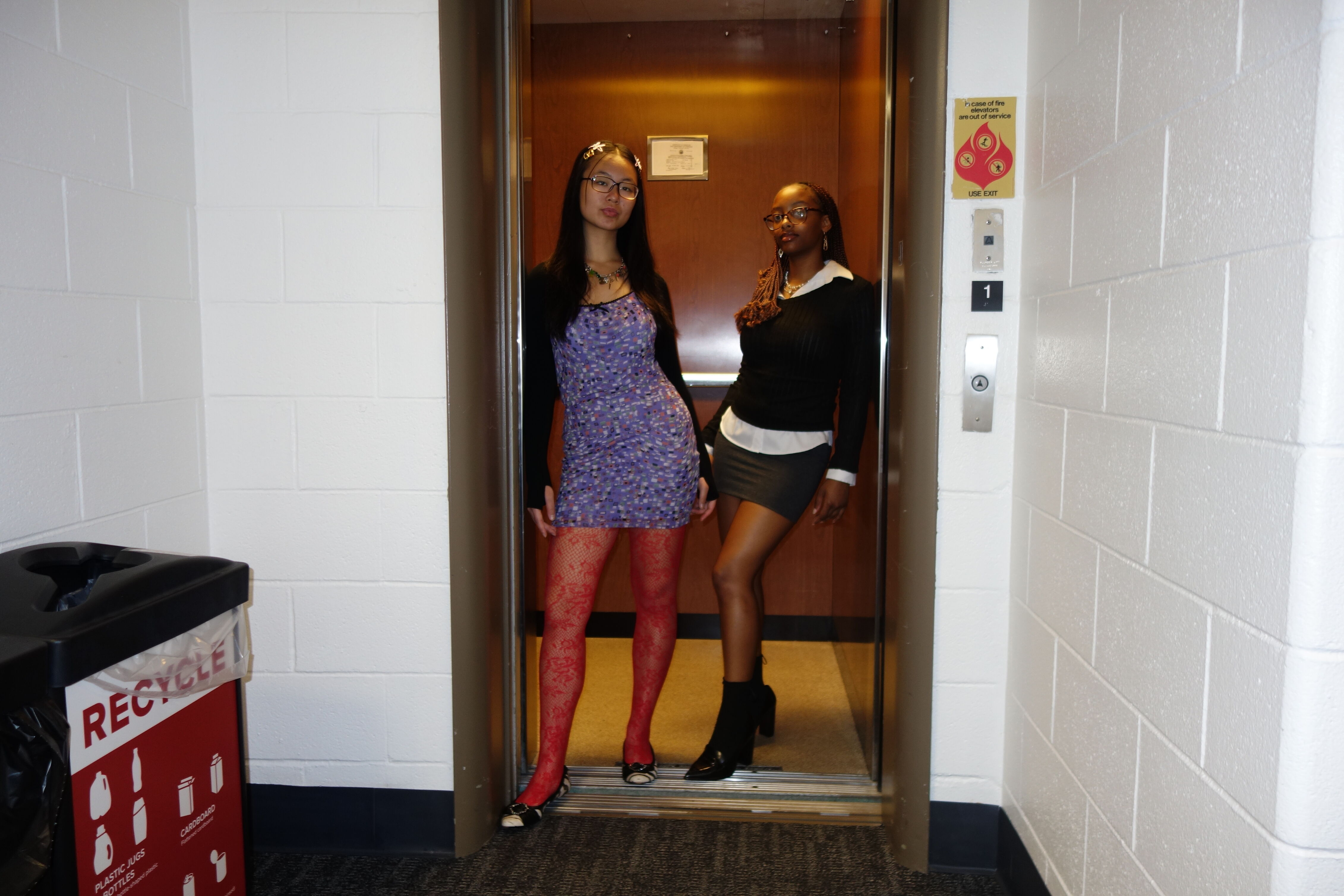
Everyone defines personal style differently. Dressing in more poised, business attire can be somebody’s favorite way to dress. With the recent trending of the “office siren” style, articles of clothing such as mini-skirts, button-up collared shirts and large, chunky glasses frames have been trending.
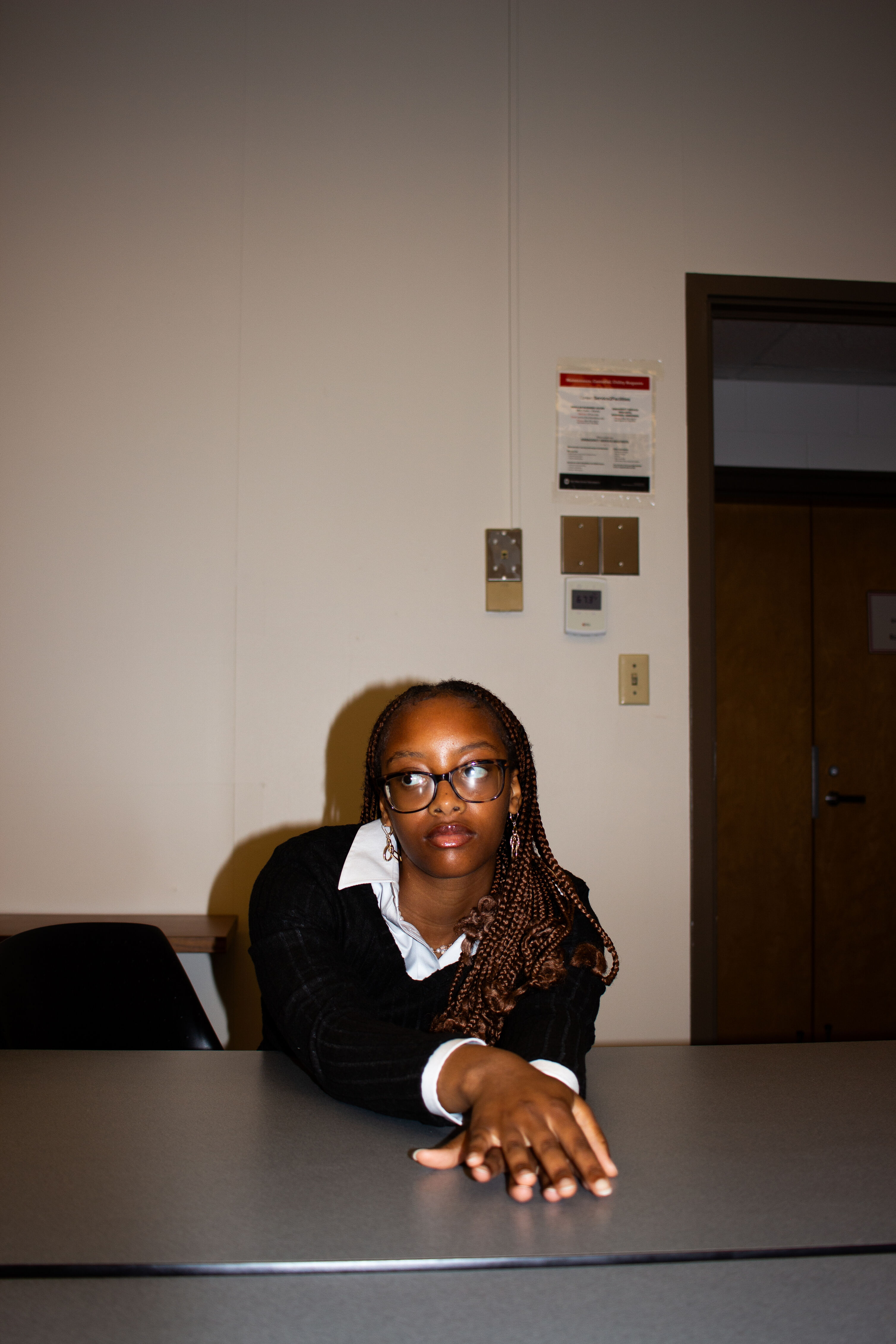
Greta Gerwig’s “Barbie” (2023) does a great job at demonstrating the difference between following an appropriate dress code versus dressing for oneself. Nominated for the Oscar for Best Costume Design in 2024, the audience sees Barbie as she navigates a world of make-believe and dress-up parties to then become a real person, discovering who she truly is.
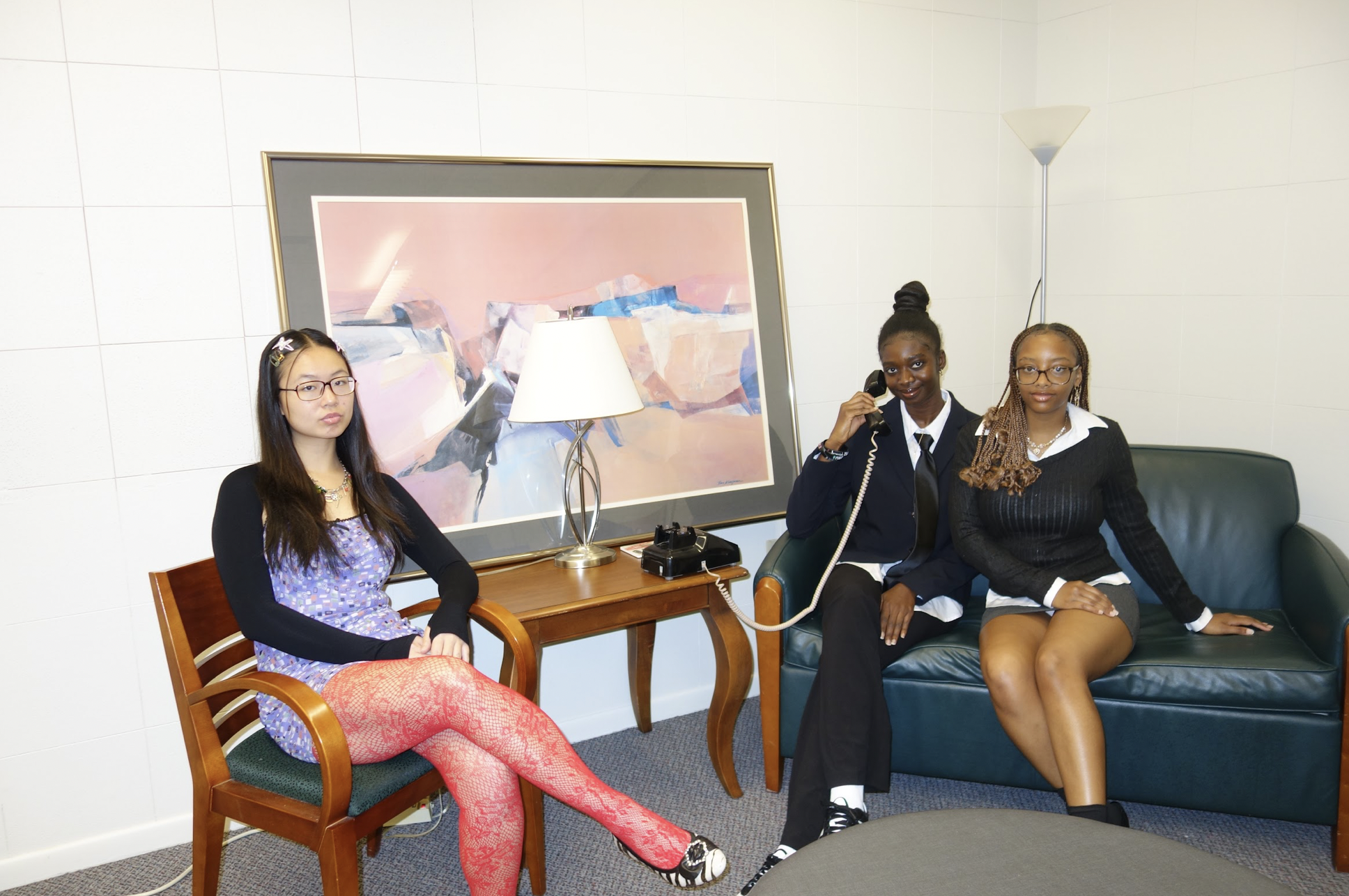
Margot Robbie stunned as Barbie in every outfit they put her in—audiences were introduced to the character in her pink gowns and bows and left the theater with a vision of Barbie in a yellow sundress and Chanel purse. In the final scene of the film, Barbie arrives at an appointment, her hair in a messy bun paired with a brown button-up coat.

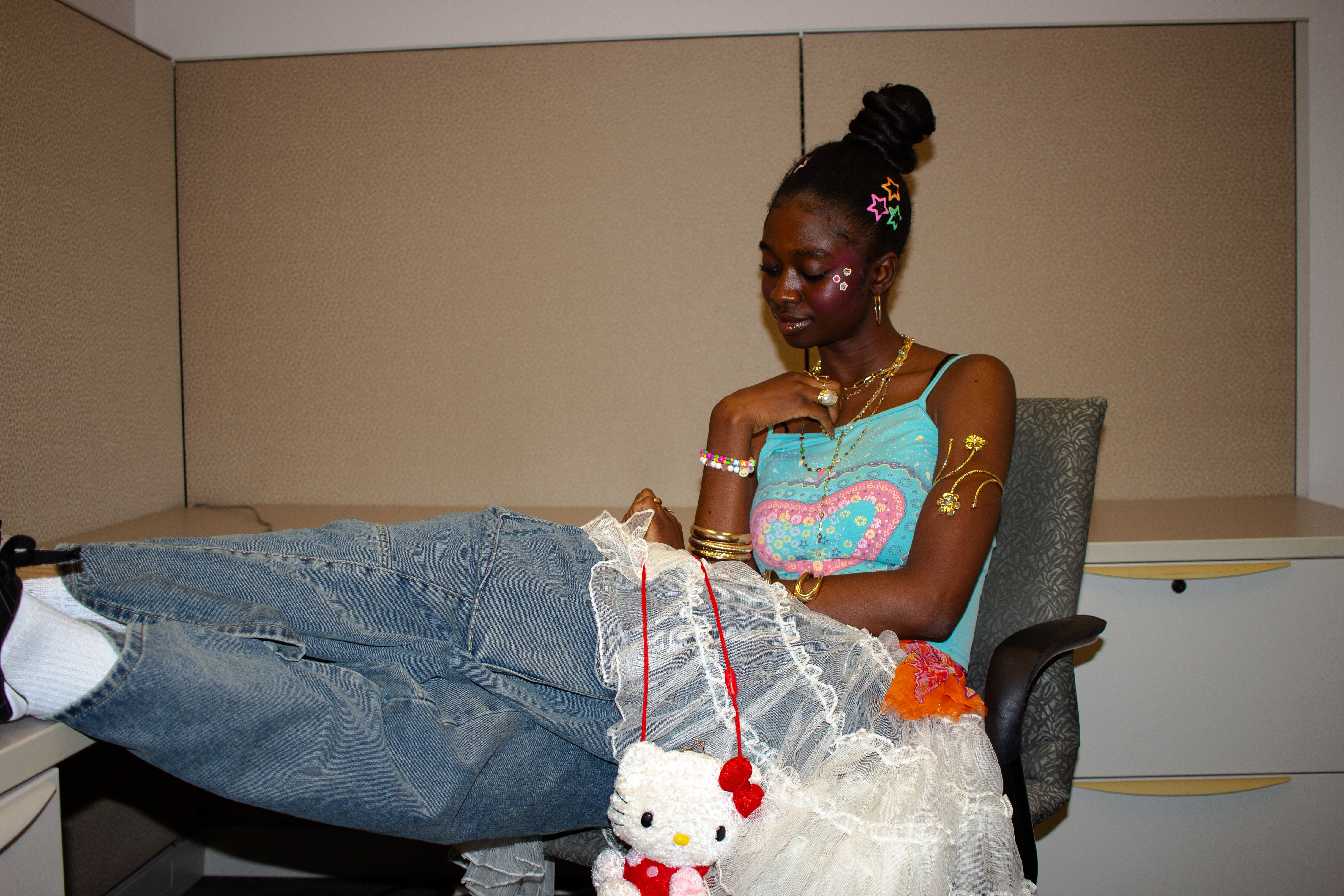
This look is far more sophisticated than anything Robbie wears in the first scenes of the film. Barbie went into her appointment with subtle hints of her personal style with a pink purse and pink Birkenstock sandals, incorporating her authenticity into a more formal look.

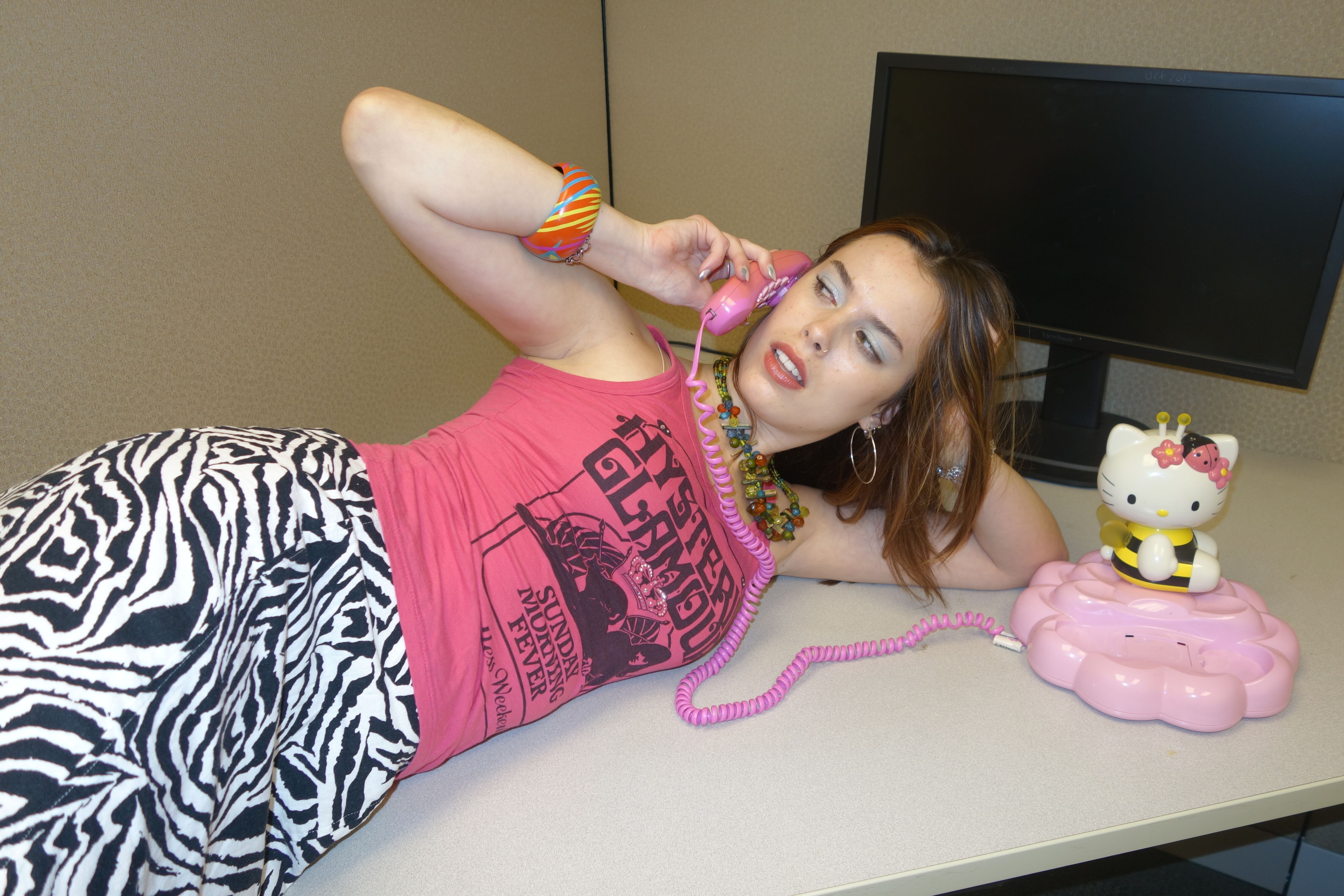

Styling yourself to align with a dress code does not have to conflict with dressing authentically. There is no right or wrong style, and unique opportunities throughout everyday life allow people to try different outfits for different scenarios. Find a balance between the two—from a corporate day in the office to casual outings with friends, you can demonstrate chicness while still showing off your beautiful, true self.
SHOOT LEADS Abby Nocera, Emerson Lepicki / PHOTOGRAPHERS Abby Nocera, Sherry Lam, assisted by Mariah Kunesh / MODELS Belle Atkins, Chenai Mutsago, Jane Anabila, Evelyn Cassady, Madeline Schmidt, Mia Ross, Morgan Cartwright, Sophie Wu / STYLISTS Gracie Puhalj, Jordyn Weisleder / HAIR & MAKEUP Gracie Puhalj