
Beauty standards. Created from cultural expectations and history, they vary greatly around the globe. And yet, they remain an unconscious and guiding force throughout the world. No matter where or why the specific standard exists, the pressure to fit a specific mold impacts the psyche of all who encounter them.
When was the first time you encountered beauty standards? When were you able to describe the pressure of fitting into Western beauty ideals? For many, the demand came long before they could even put the experience into words.
We still felt it: in a comment, a picture or an article written in a magazine. We found something to be self-conscious about. It was the sudden viewing of ourselves through an external gaze; how we were perceived. It is this that becomes the death of innocence and the loss of the wonder of youth—when anything seems possible and freedom is nigh. Instead, we must “fit in”—and fix ourselves to do so.
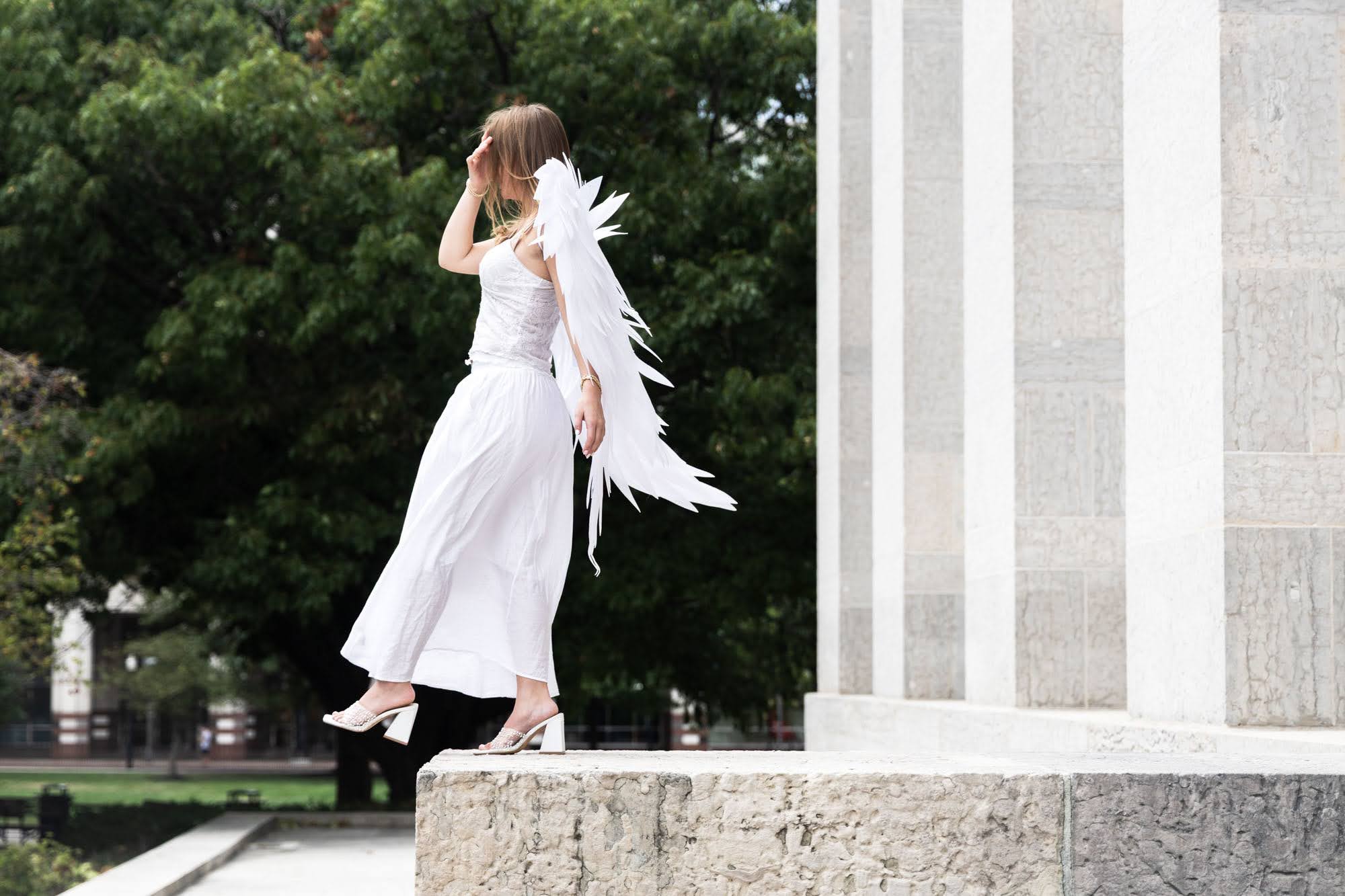
These standards slip into everything—sometimes obvious, sometimes invisible. Diets trend on TikTok and outfits are policed in comment sections—even questions like ‘college grads, what are we wearing this summer?’ reinforce the idea that different identities must follow a certain look. Conformity is key, or at least that’s what people think. It has long been proven that social media negatively impacts mental health. Thousands of flawless and unattainable faces, bodies and lives bombard us on the daily, seriously harming the psyche of young people.
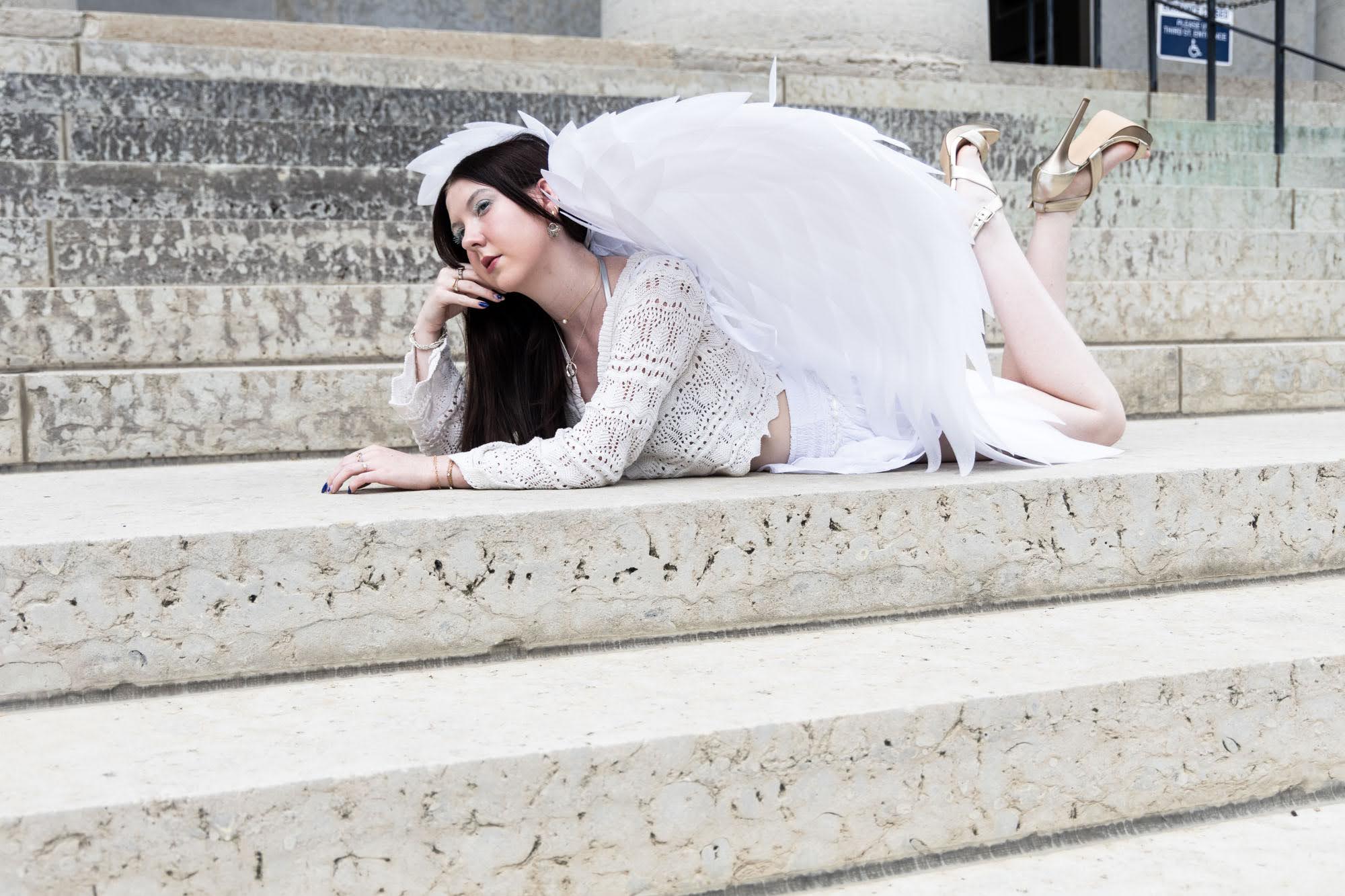
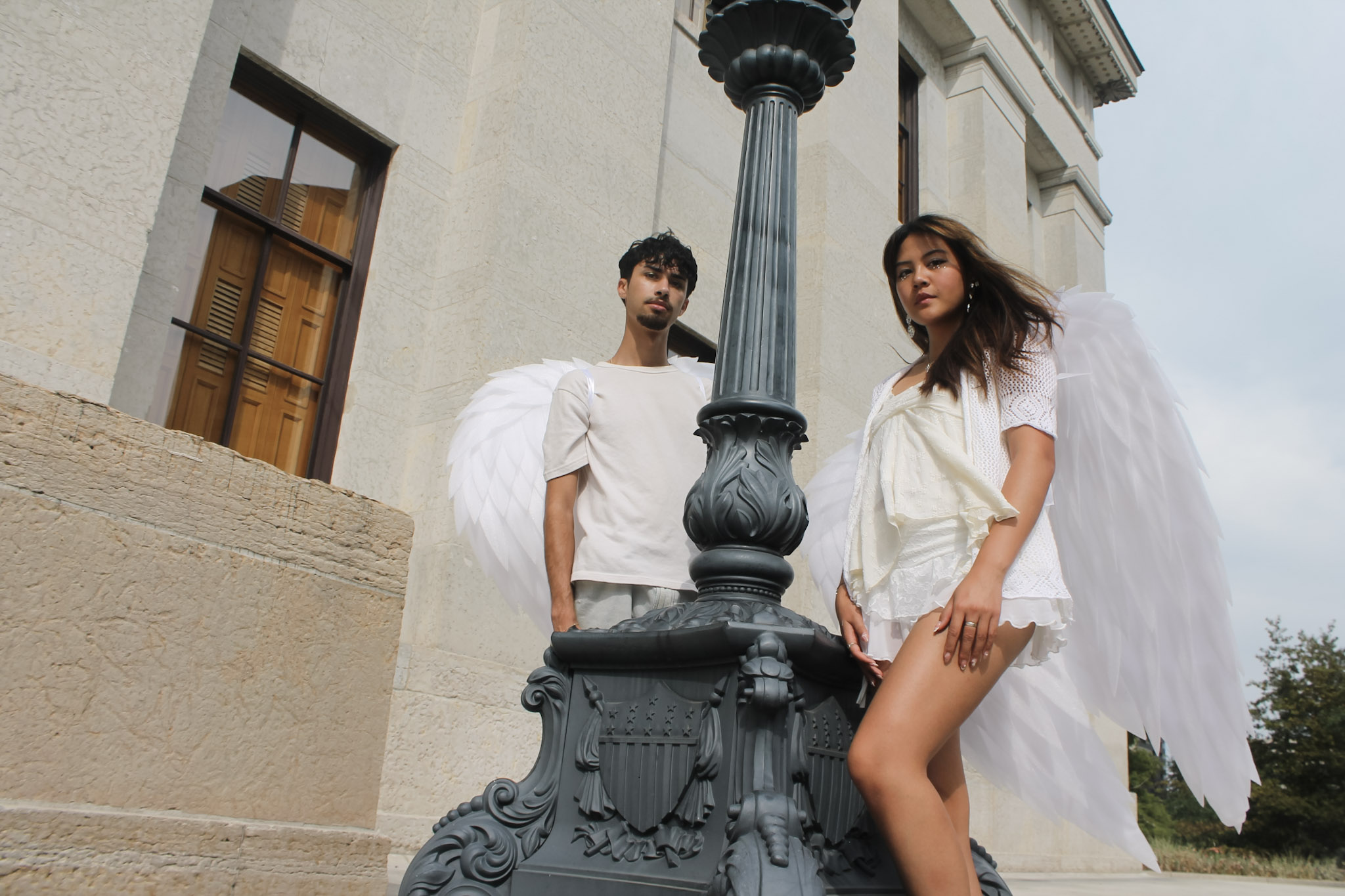
Girls and women are especially vulnerable to the pressures of conformity. Even the smallest “flaws” can worm their way into our brains and become all we think about. And it doesn’t have to be based on looks, either. An interest or passion can suddenly be deemed “cringe” and altogether dismissed. Even activities like reading or writing now can be labeled “performative.”
Adolescents and teenagers are especially vulnerable to this pushed idea of conformity. With photographs and videos everywhere, every movement is memorialized online and subjected to scrutiny.
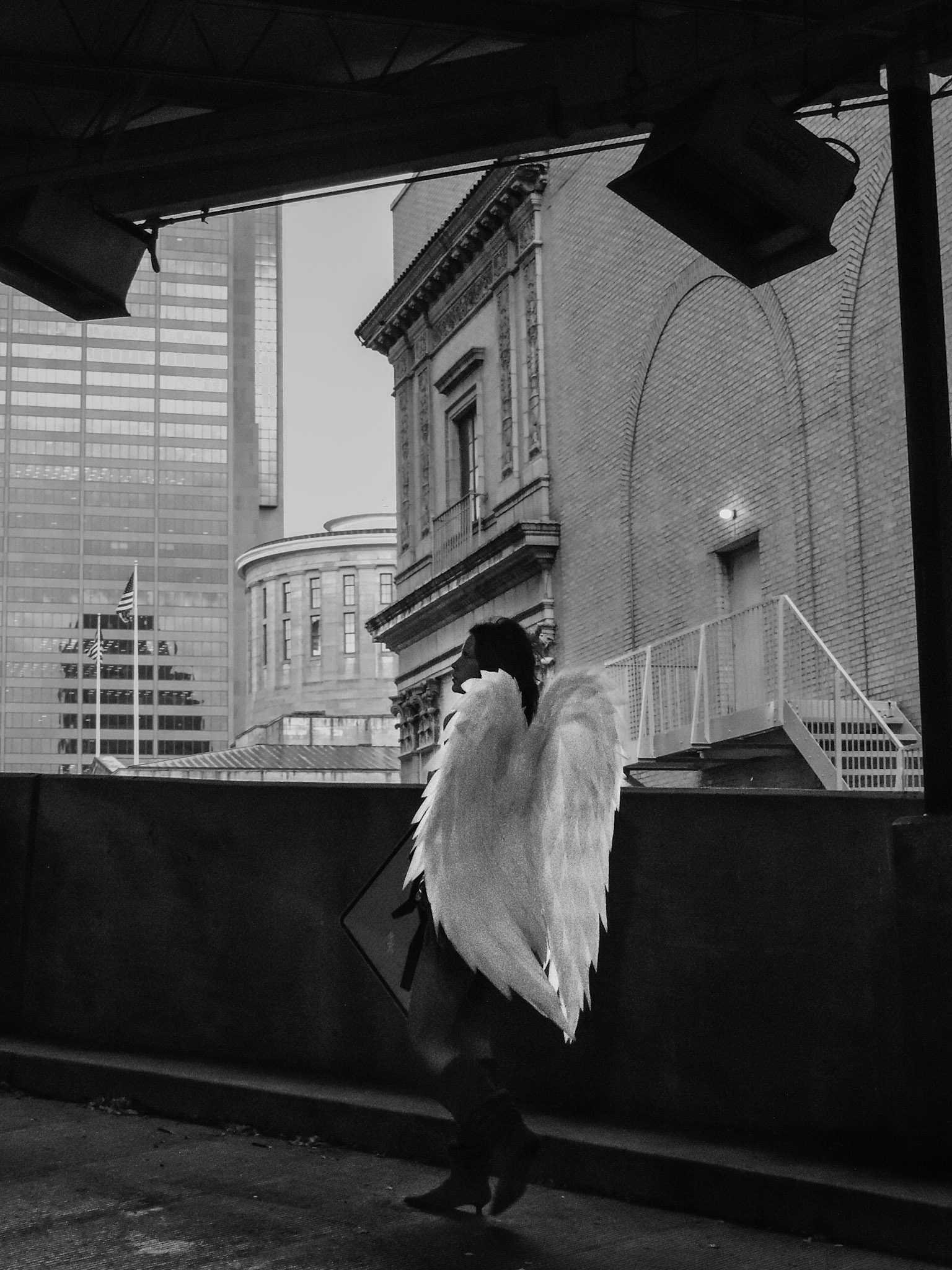
According to a study from the National Library of Medicine, this period of development marks the moment that people start looking to their peers rather than their parents for validation and assurance. As the study states, “such interactions intertwine self-evaluation with digital perceptions of beauty and success, profoundly impacting psychological well-being”.
Already an issue, the rise of social media platforms such as Instagram and TikTok are exacerbating the mental health crisis. The most recent studies show that 95% of children ages 13–17 report using a social media platform and nearly 40% of children ages 8–12 use social media.

Although TikTok requires users to be at least 13 years of age, The Post says that about 25 million TikTok accounts belong to children 11 or younger. This number does not take into account children consuming content through their parents’ or older friends’ accounts.
As an increasingly large swath of the adolescent age group utilizes social media, it is no longer a surprise to see children promoting anti-aging creams like Retinol or begging their parents for Drunk Elephant products. The anti-aging market has always been massive, but never have children—especially so early in life—been so trapped in its clutches.
Social media has forced younger generations to grow up too fast. The preteen—or tween—market has all but disappeared over the last few years. Stores that Gen Z would consider classics, like Justice or Claire’s, have closed their doors, both businesses declaring bankruptcy within the past few years.

As Lawrence Berger, one of the owners of Claire’s, said, “Claire's is one of those rare brands that defines a stage of life - old enough to buy your first lip gloss, but still young enough to believe it could change your world.” Today, there is no more transition period; growing up is immediate and inevitable.
As we age, we tend to hide our interests and passions in an effort to fit in; to do what is “popular.” This shift is especially true in high school, in which an insular community pushes students to mold themselves to the mean.
In this type of setting, it is more difficult to find people who are similar to you and to build a community. And, of course, middle and high schoolers can be cruel—nearly 20% of high schoolers report bullying, according to the National Bullying Prevention Center.
But there is a light at the end of the tunnel. The pressure to conform will never go away, nor will the clear existence of beauty standards, but as we get older we open ourselves back up to vulnerability.
Our worldviews grow as we look back to childhood and remember the joy received from things now lost. We wear an “emo band” T-shirt or proudly announce the shows we watch and the books we read. There is a push back against conformity and an effort to spread self-love for and acceptance of what makes us different.
We can reclaim what has been lost. We can take back what we pretended to hate, thinking it wasn’t cool enough. The wonder and joy found in doing and being what we love will never be completely lost. Confidence and self-love shine through, even in a dingy world that longs to stifle it.
SHOOT LEADS Averie Ison, Mia Schwind / PHOTOGRAPHERS Sandra Fu, Farrah Mobydeen, Averie Ison / MODELS Abby Nocera, Allison Ho, Audrey Zhang, Averie Ison, Charlotte Conn, Emma Erlenbusch, Jose Aviles, Maddy Bellisari / STYLIST Jonas Rogers / HAIR & MAKEUP Charlotte Conn