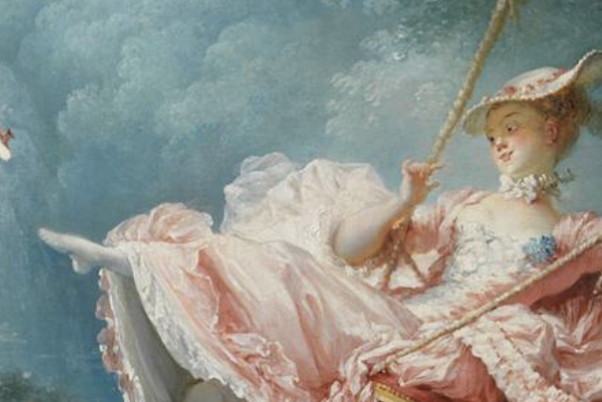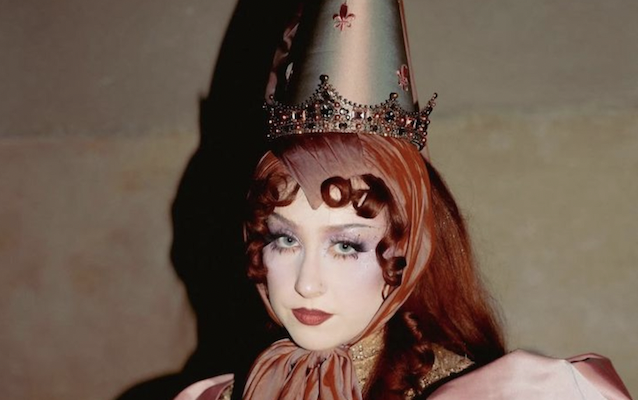

Fashion has always been a language of expression; a way to tell stories that words alone cannot capture. In Fem and Frame, we explore one of these enduring dualities: the coexistence of femininity and masculinity. Too often, these energies are framed as opposites—softness against strength, fluidity against structure and tenderness against toughness. But what happens when we stop treating them as binaries and instead view them as complements; two halves of a whole?
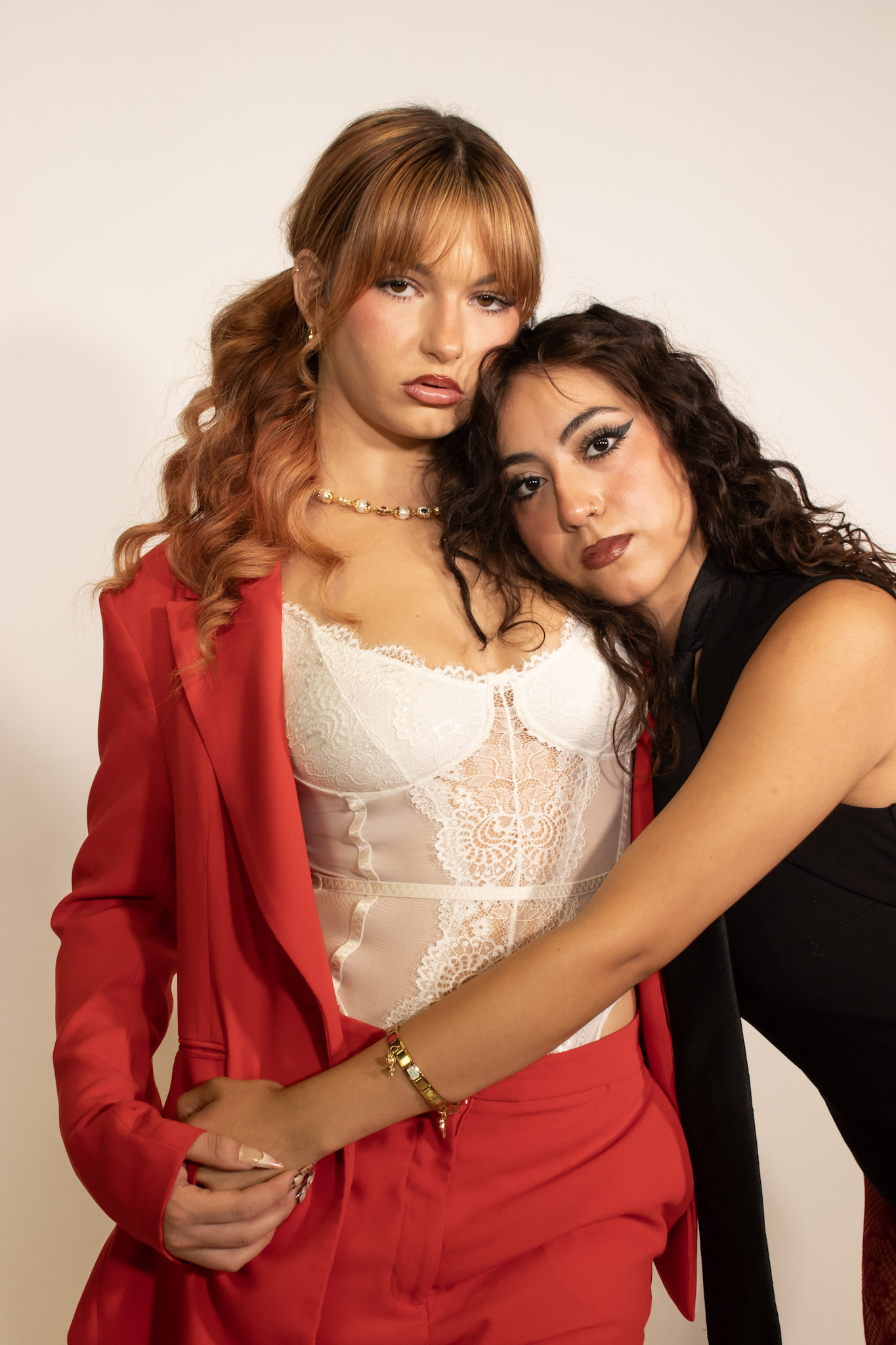

This shoot reimagines those forces not in conflict, but in conversation. A blouse drapes against sharply tailored trousers; a blazer frames the ease of a flowing lace; a corset and a collared shirt share the same space without competing. Accessories extend this interplay—pearls beside chunky watches and a briefcase balanced by a delicate scarf. These contrasts signal not confusion but complexity. Even footwear becomes part of the dialogue—combat boots grounding the lightness of a chiffon skirt or pointed heels sharpening the line of wide-legged pants. Each look resists the idea that strength belongs only to masculinity or softness only to femininity. Instead, it insists both can live within one.
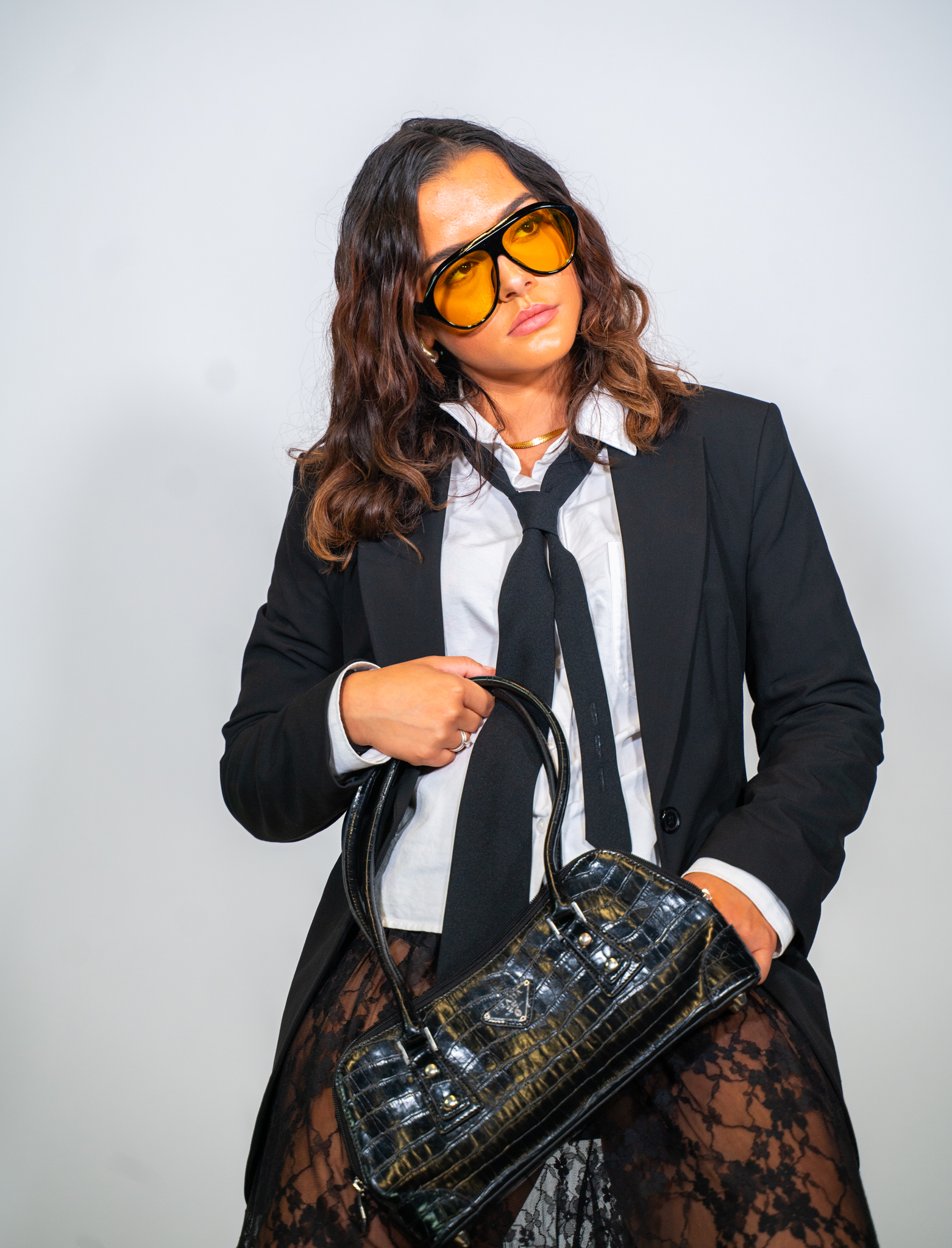
Yet in today’s political climate, such blending feels especially charged. Across headlines and debates—from schools reprimanding boys in nail polish to viral backlash against girls wearing suits at prom—identity is narrowed into categories, and expressions of gender are policed with an intensity that reveals how unsettled society still is by fluidity.
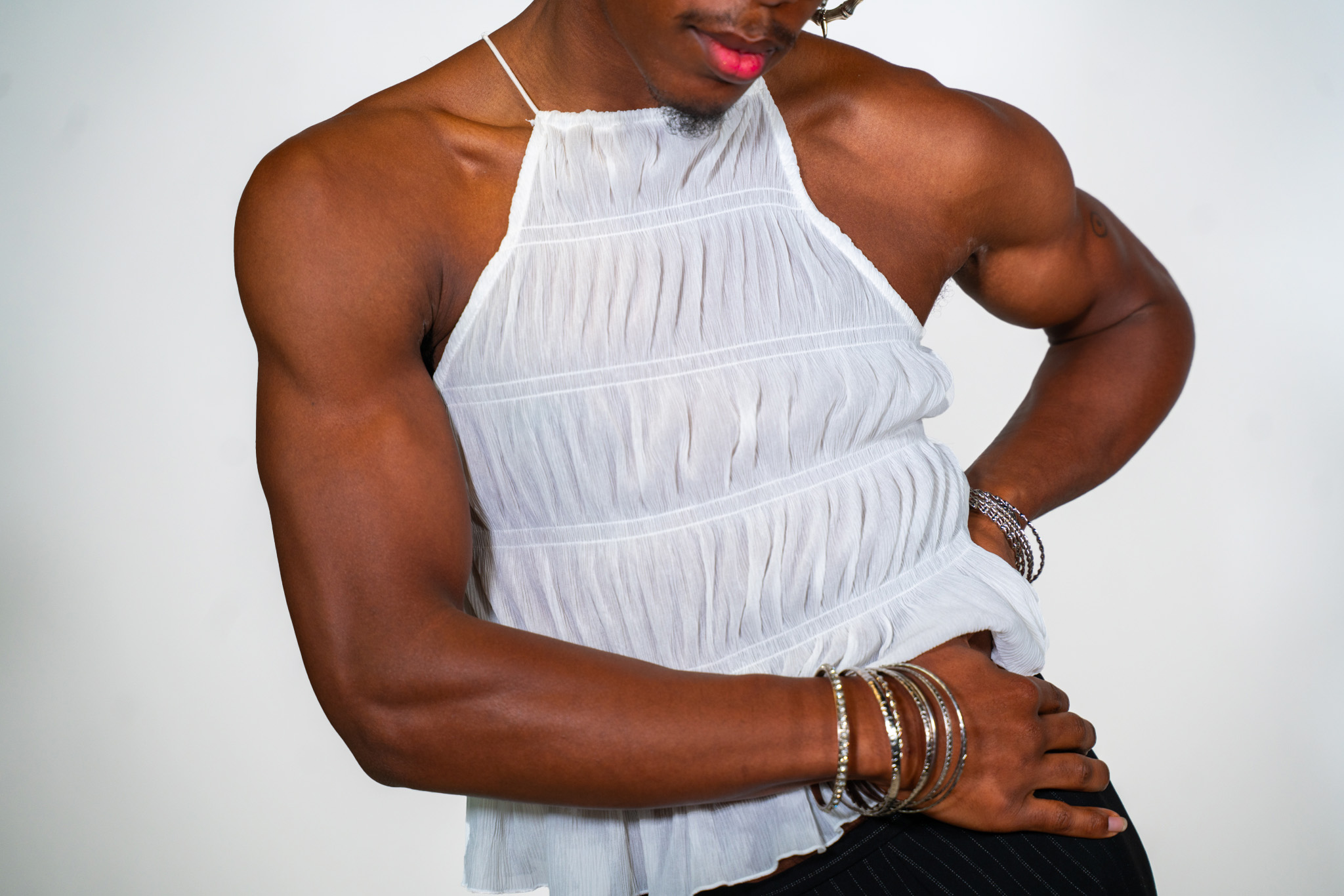

To wear clothing that mixes these energies is to quietly resist the idea that people must fit neatly into boxes. Society has long dictated how femininity and masculinity should look, behave and be expressed. The very idea of a “frame” carries tension—does it define us, or does it confine us?
Historically, fashion has been a site where these questions are negotiated. The defiance of women donning trousers in the early twentieth century, and David Bowie and Prince blurring gender lines through performance and dress made waves. Each era has witnessed moments where clothing challenged not only aesthetic conventions but also the social rules about who could embody certain traits. Fem and Frame extends that legacy into the present, where androgyny, fluidity and hybridity feel less like a provocation and more like a call for something real.
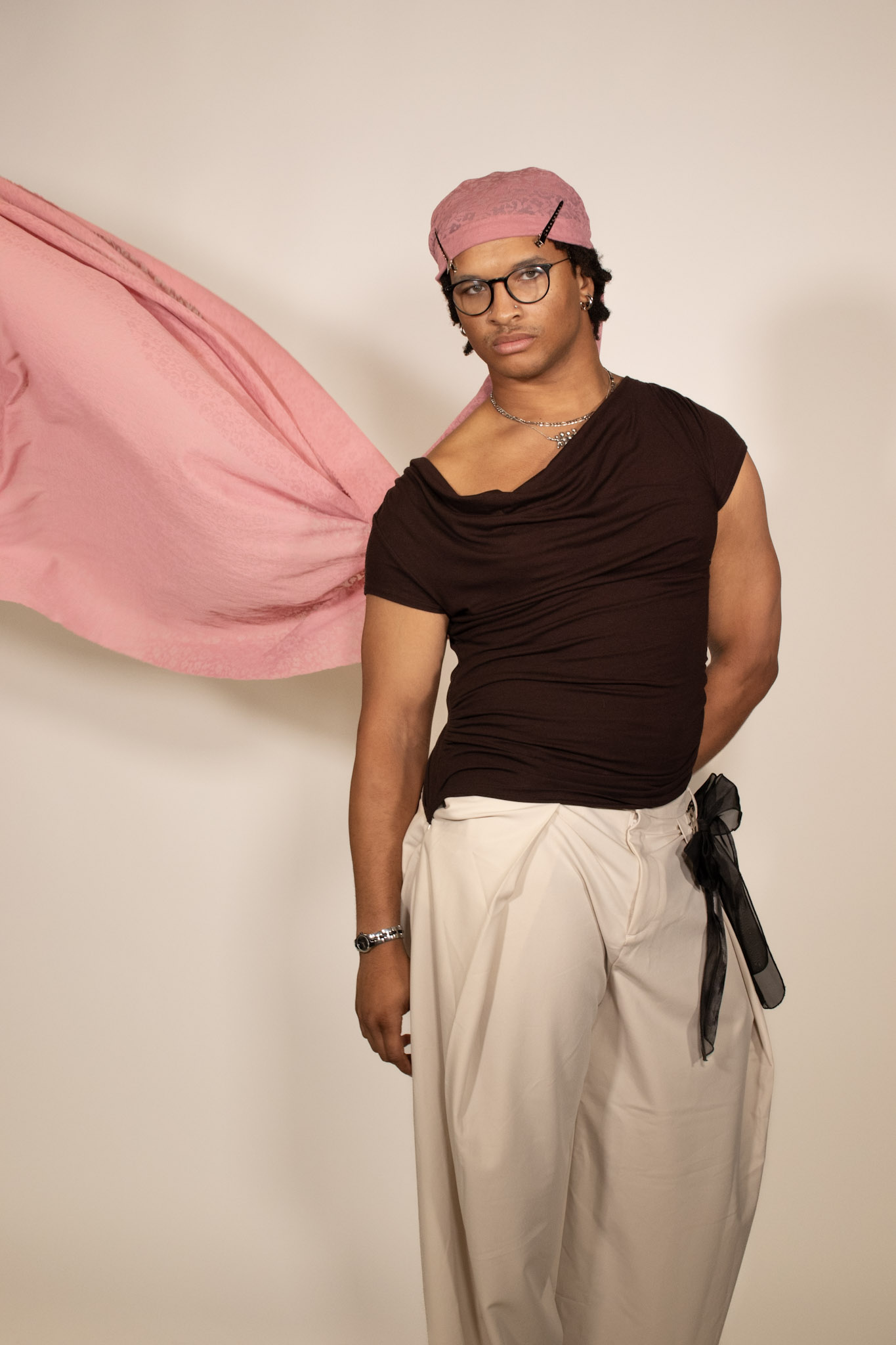

What makes this vision especially resonant today is how presentation—how we dress, carry ourselves and choose to be seen—has become so heavily politicized. Across debates on gender and identity, clothing is treated as evidence, as though an outfit can testify for or against someone’s right to belong.
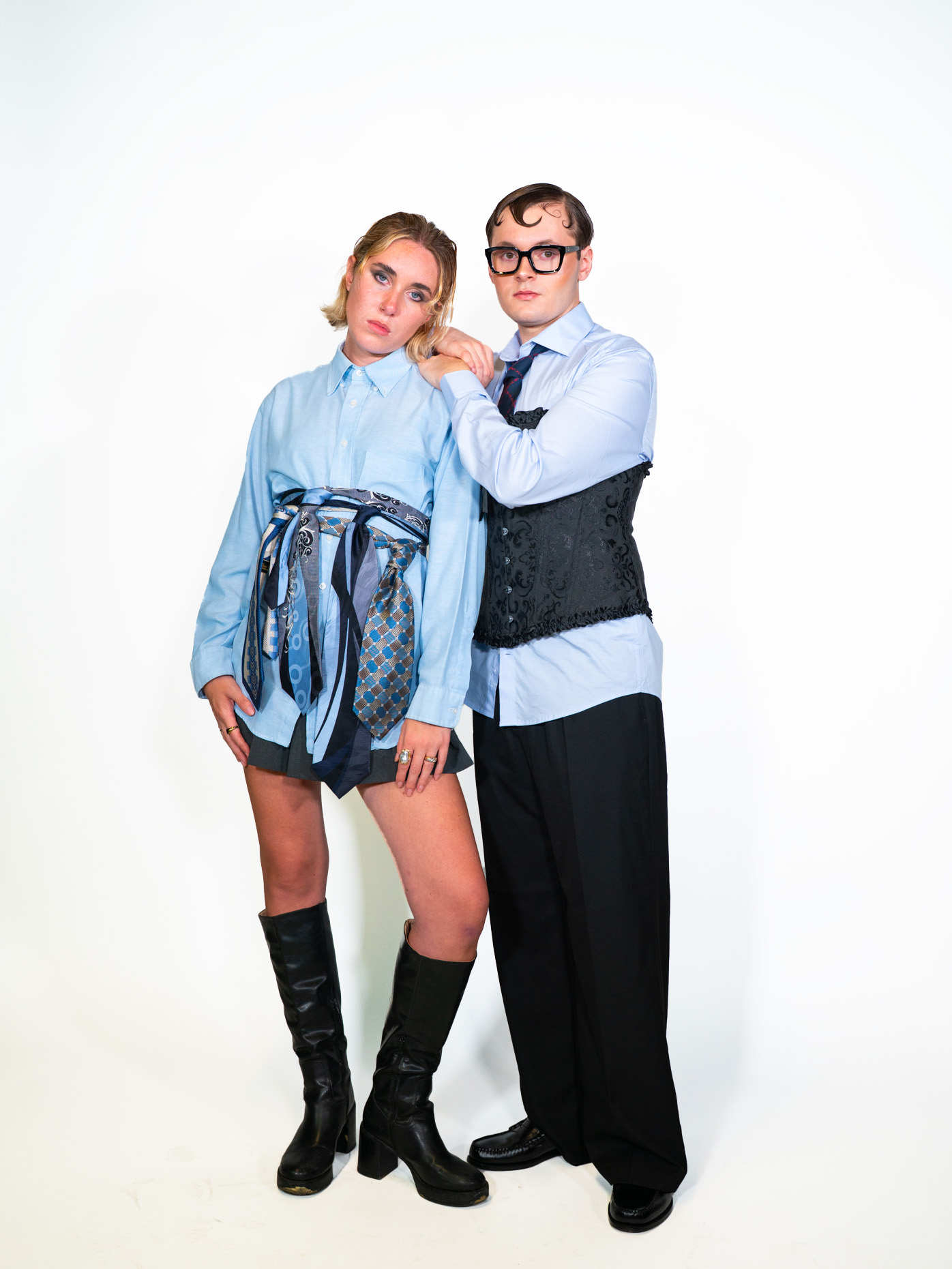
Laws, school dress codes and cultural battles often revolve around controlling who gets to wear what—as well as what those choices are allowed to mean. A young boy in nail polish, a girl in a suit or a nonbinary student in a skirt all become flashpoints for larger anxieties about the erosion of norms, the blurring of gender roles and the visibility of queerness. In that sense, every outfit is read as a statement, whether or not the wearer intended one.
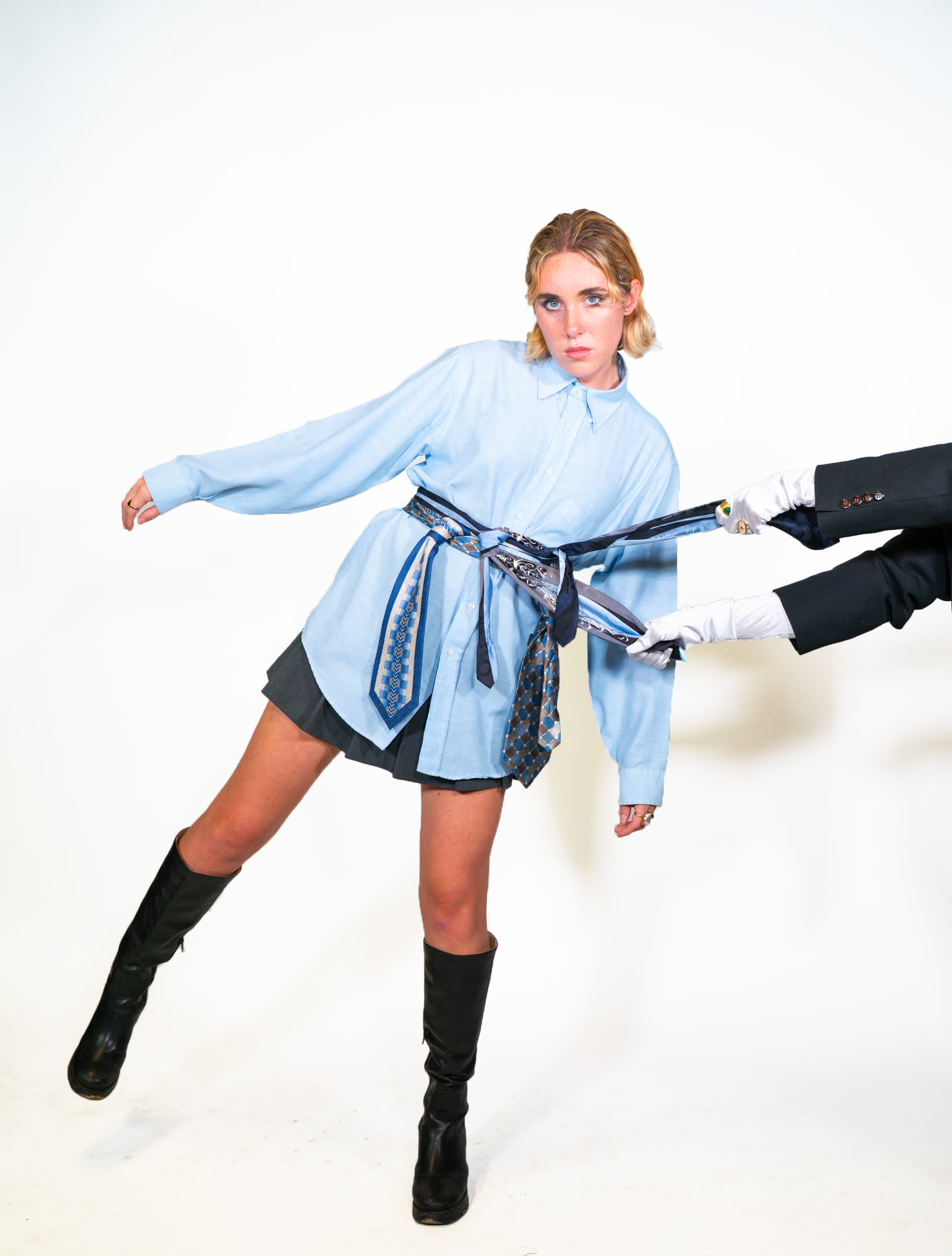
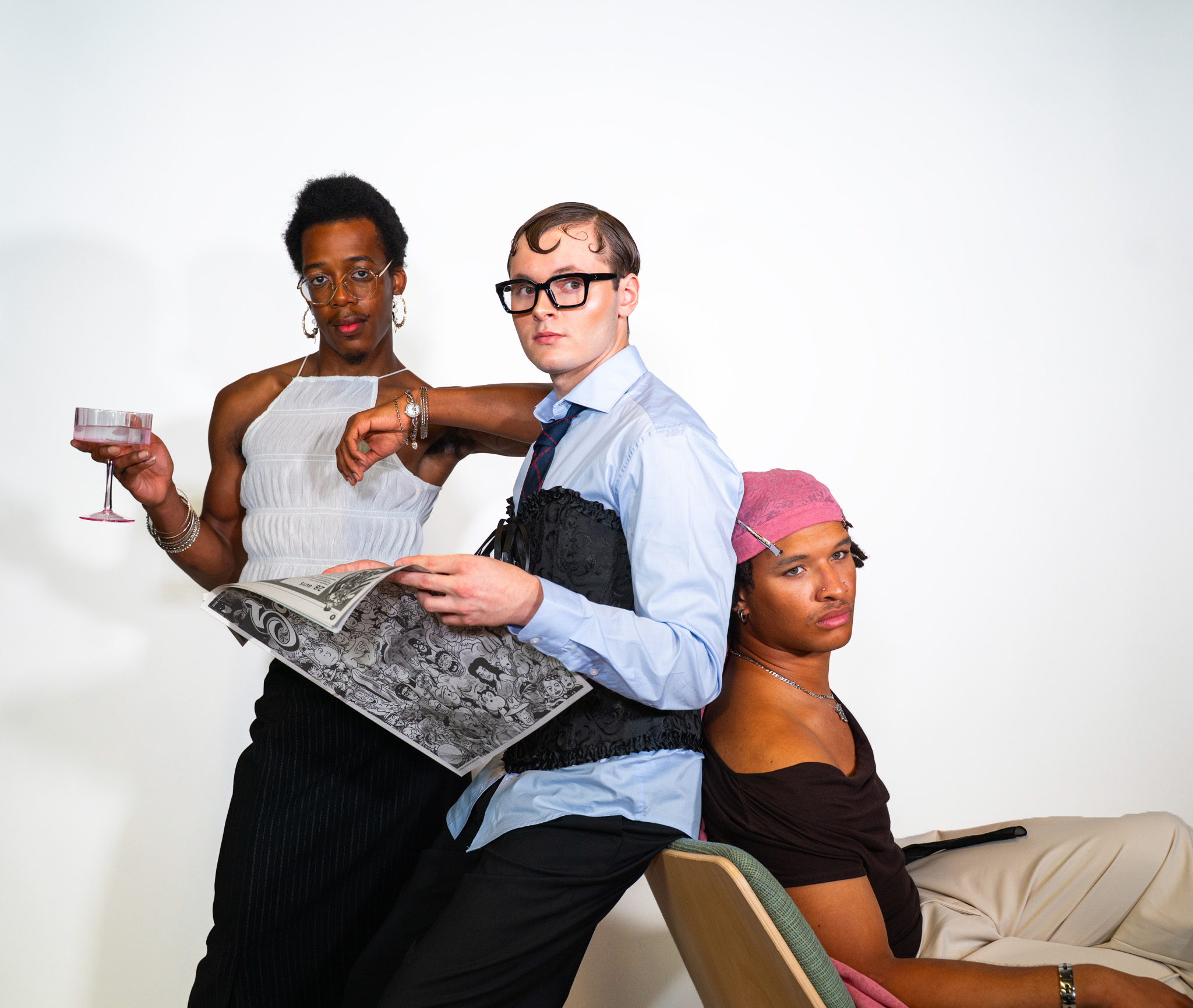
Fem and Frame disrupts this fixation by refusing to play along. It shows that duality is natural, that fluidity is not confusion but truth and that identity cannot be legislated into rigid categories. Arguments about dress codes, gendered expectations and standards of “appropriateness” highlight how fragile traditional norms are when confronted with fluid expression.
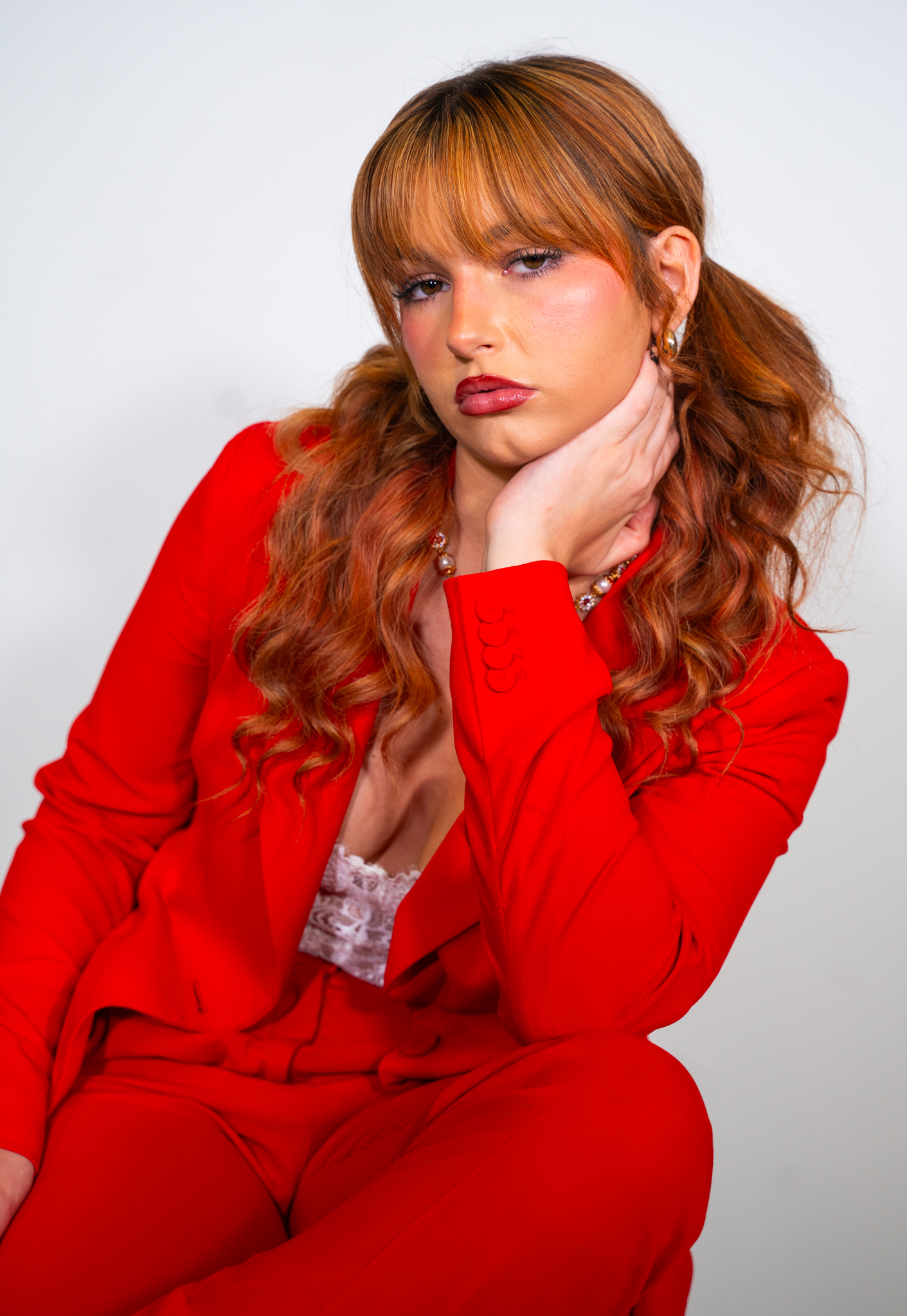
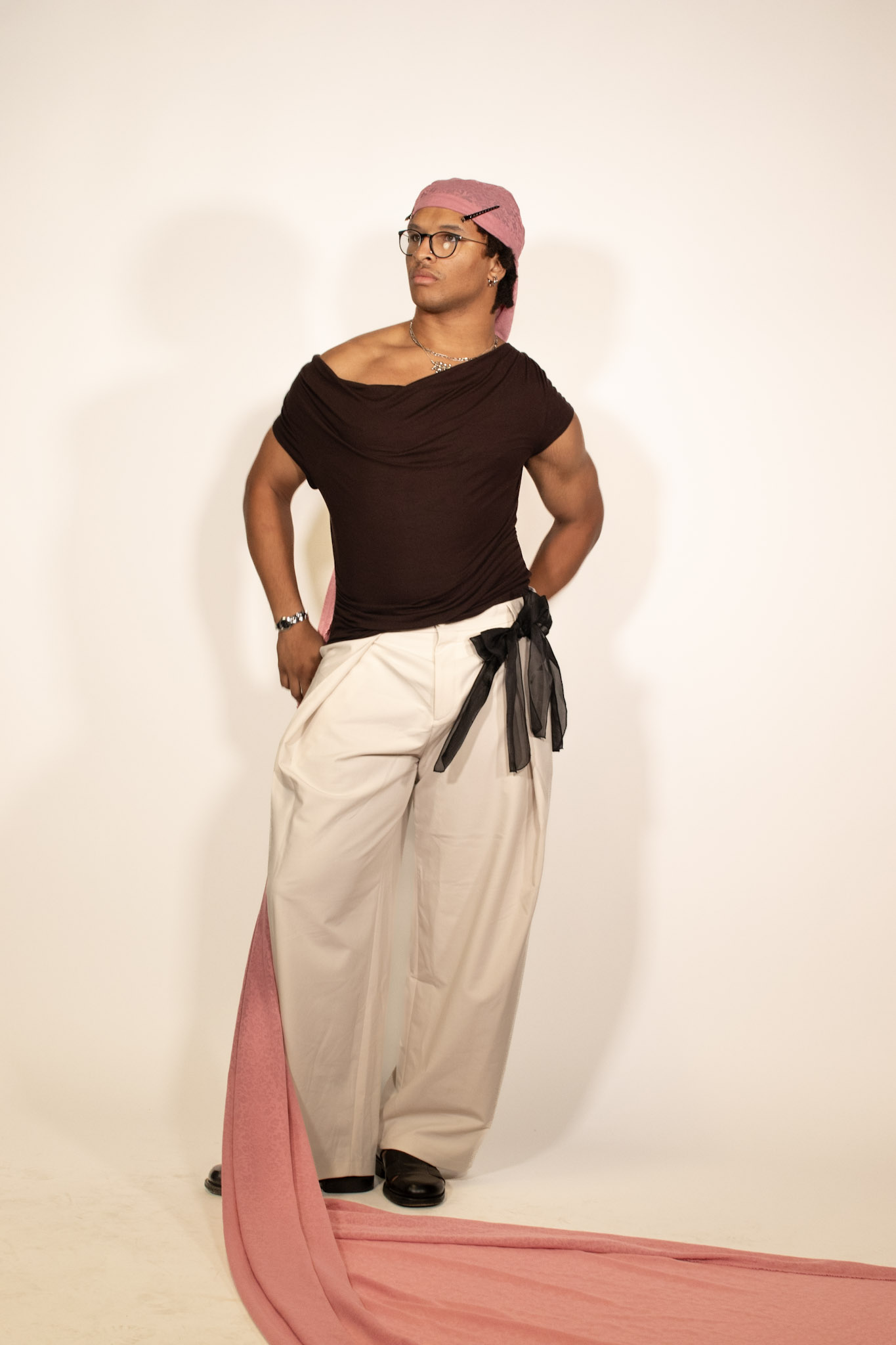
By pairing lace with leather or silk with structured suiting, Fem and Frame asserts that style can be a form of political resistance—a refusal to let identity be dictated by arbitrary rules or rigid expectations. Fashion becomes evidence not of conformity, but of agency, reclaiming the right to be seen exactly as one chooses.
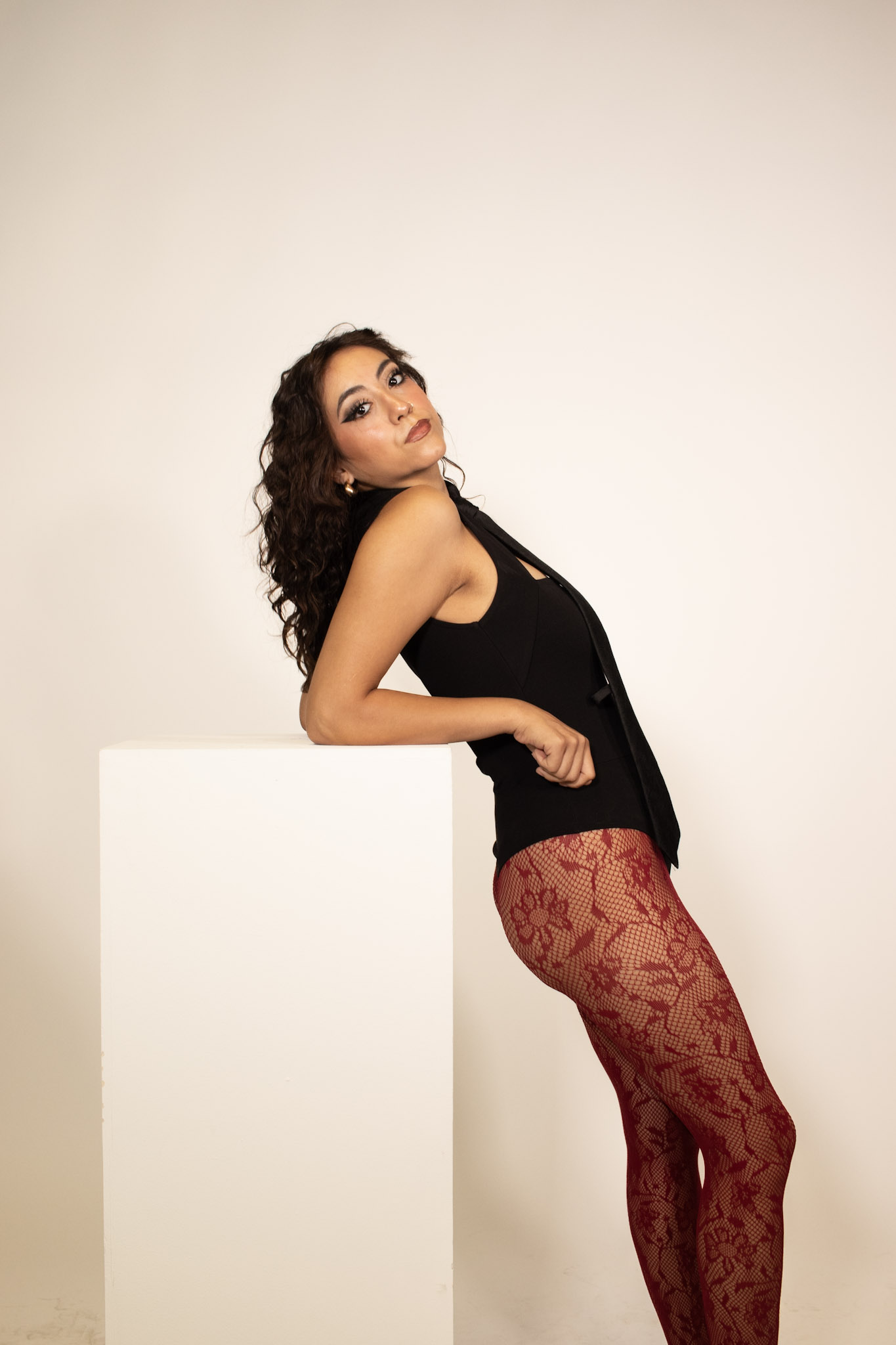
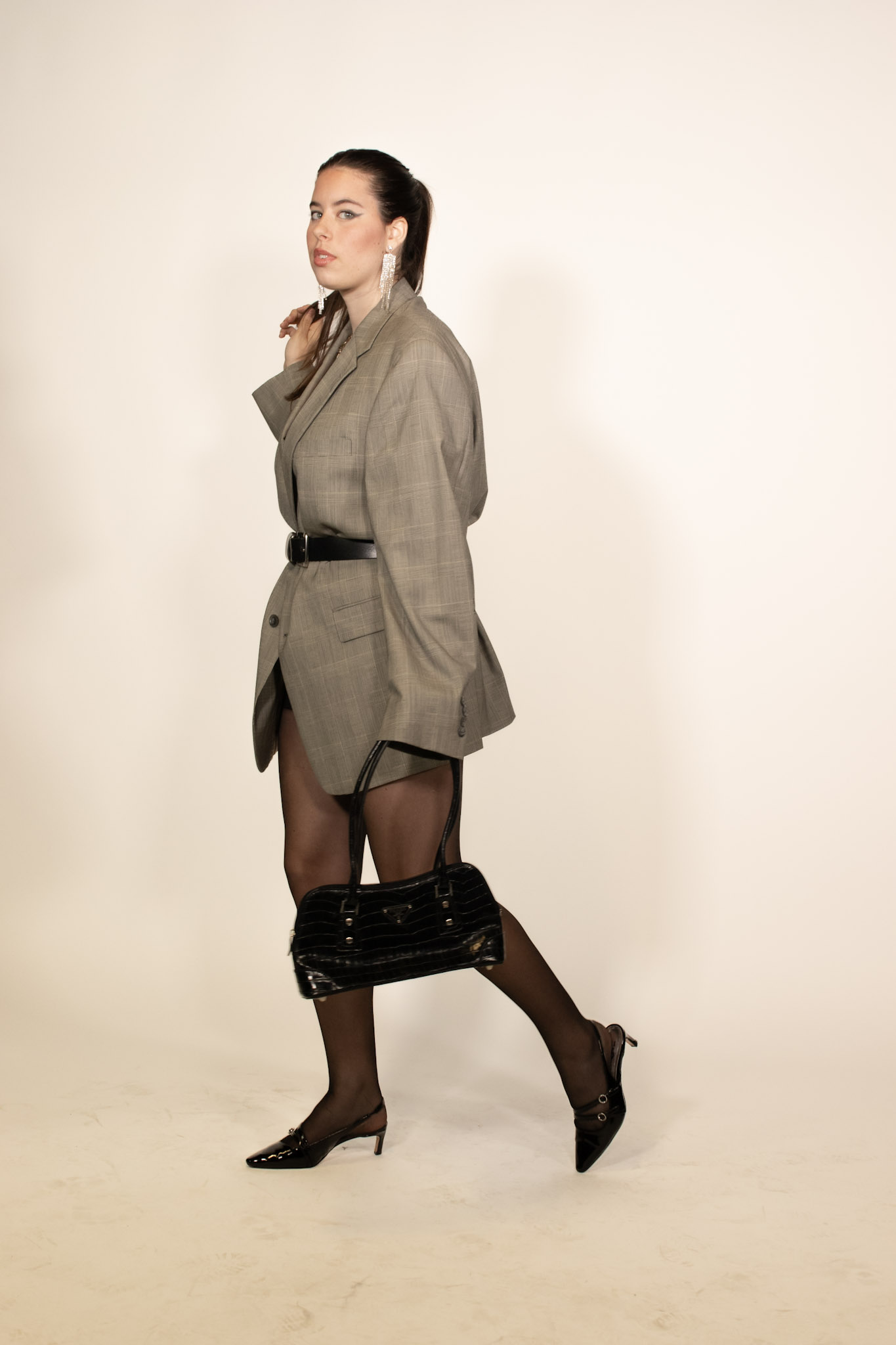
For many others, dressing across gendered lines is not simply about trend but about authenticity. Clothing becomes a mirror, affirming that wholeness does not require conformity. In this sense, Fem and Frame is not only about fashion photography, but also about the lived experiences of those who choose to wear their truth.
In a world where the freedom to express gender expansively is contested, Fem and Frame suggests another truth: that multiplicity is not weakness, but wholeness. The blending of edge with grace—strength with softness—creates a vision of identity that is resilient precisely because it refuses to be reduced. When we allow ourselves to dress in ways that feel authentic, even if they confuse or disrupt the “rules,” we reclaim control over our own narrative.
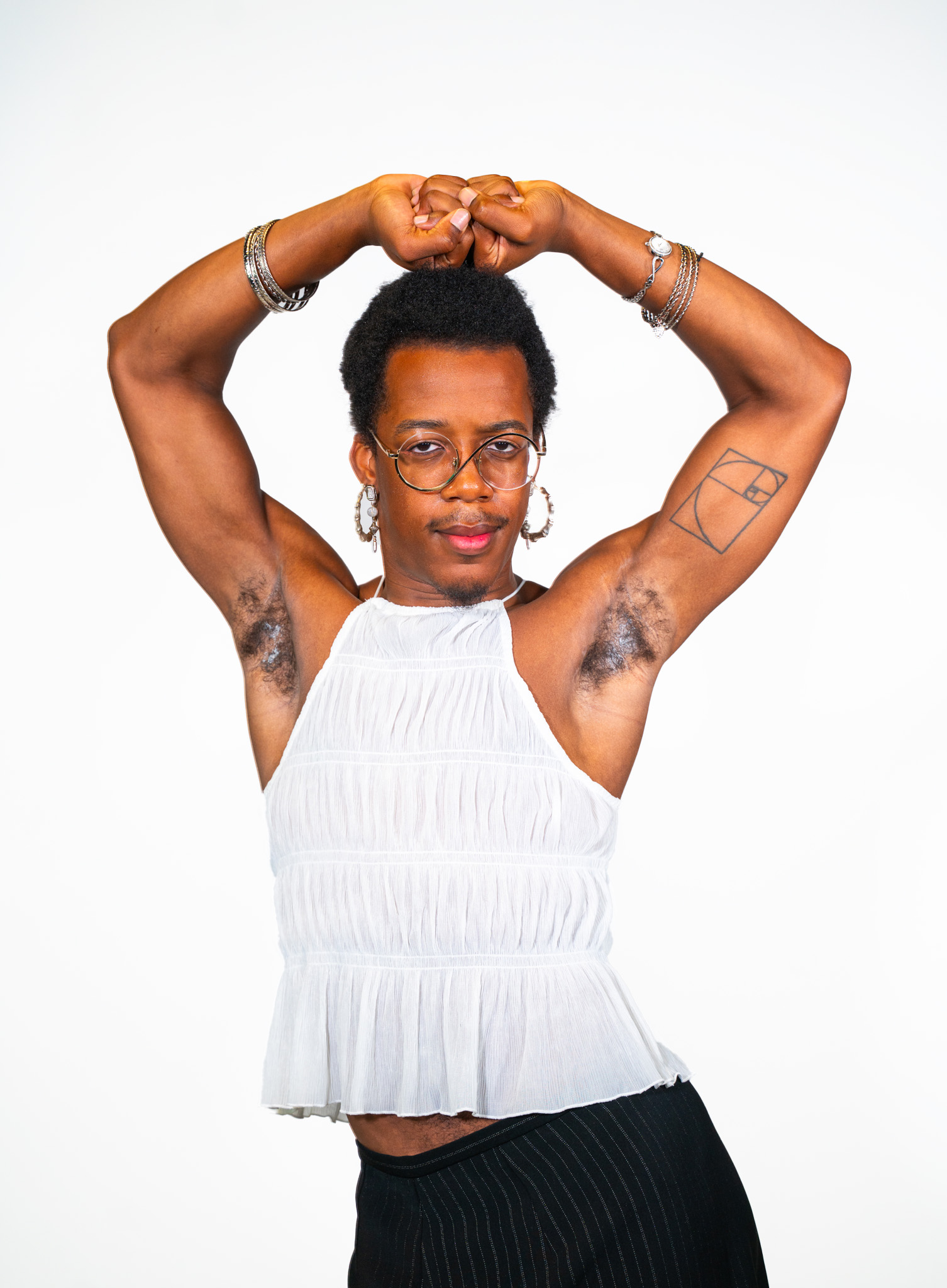
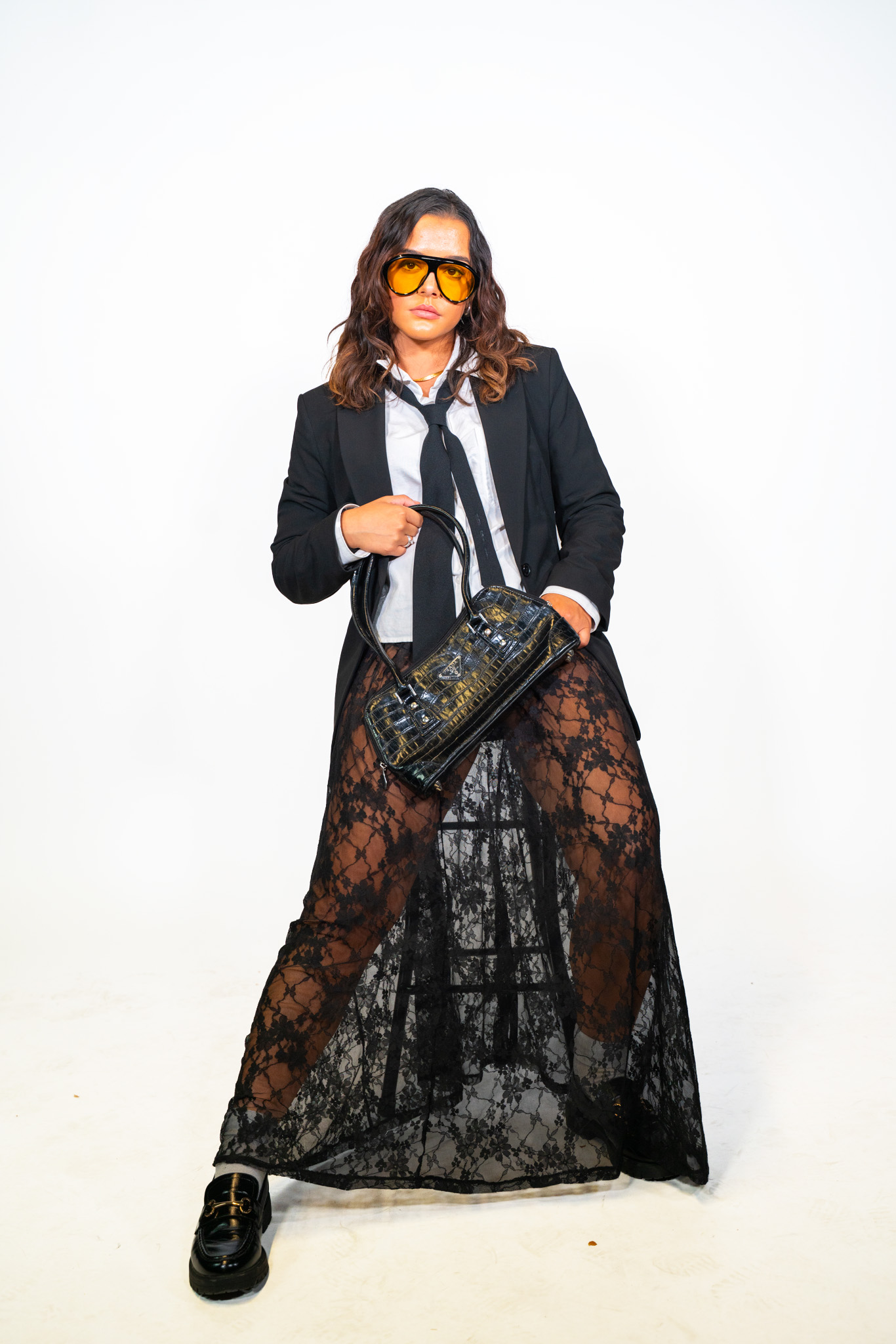
At its heart, duality is not contradiction. Within one frame, the masculine and the feminine coexist, not in opposition but in balance. That balance is what gives the images their power. It is also what gives us permission to imagine beyond the constraints we inherit, toward a vision of identity that is free, dynamic and fully our own. In blending suits with silks, boots with pearls and toughness with tenderness, fashion offers not only style but also a model for a more expansive understanding of self.
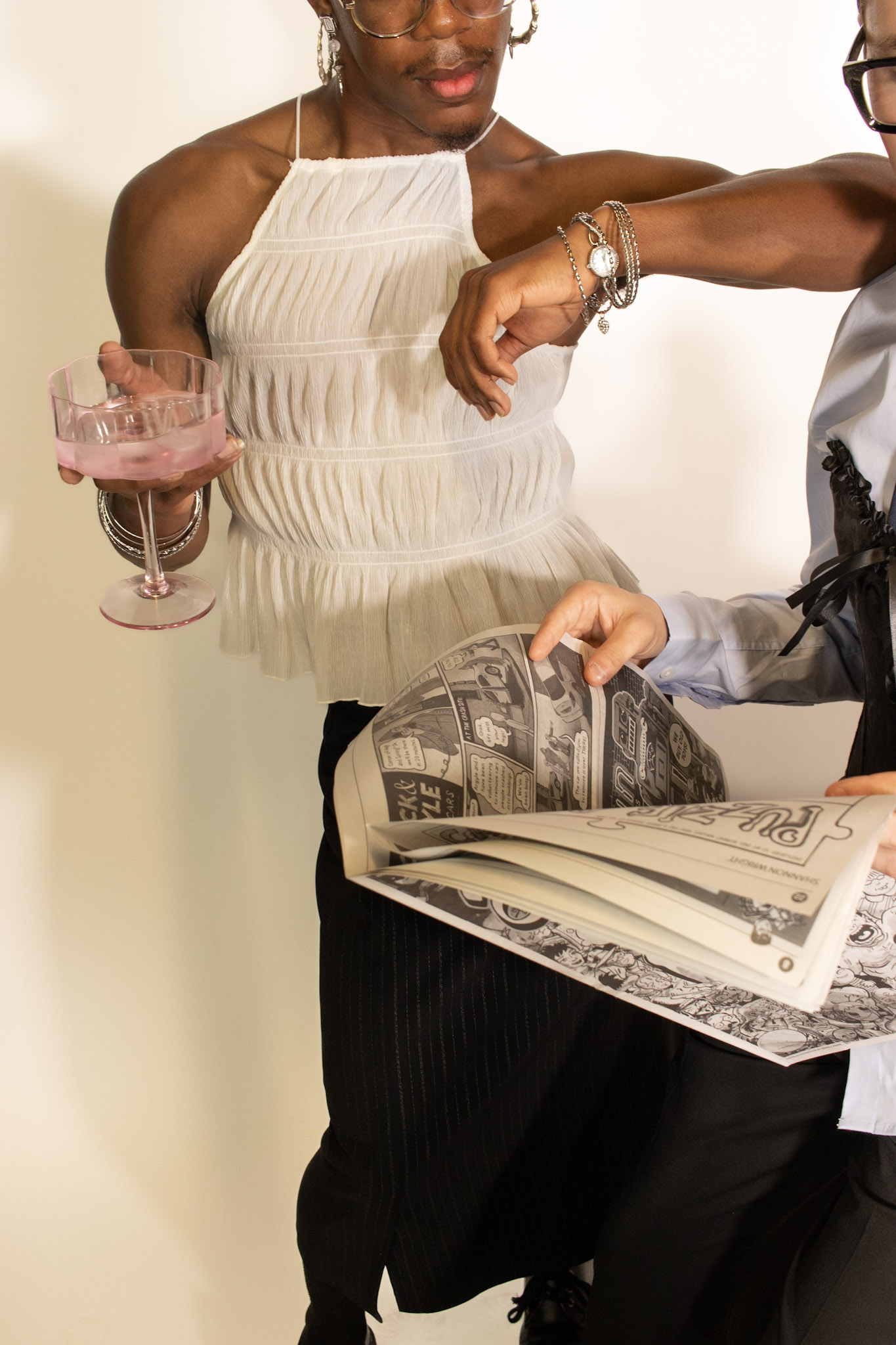
Ultimately, this shoot leaves us with a reminder: fashion is not trivial, nor is it merely decorative. It is a language, and like all languages, it can be used to uphold norms or to break them apart. Fem and Frame chooses the latter. It insists on dialogue rather than division; possibility rather than prescription. And in doing so, it asks each of us to consider: what might it look like if our frames were not cages, but canvases?
SHOOT LEADS Jasmine Freeman, Maggie Gu / PHOTOGRAPHERS Cora Hernandez, Maggie Harkins / MODELS Cherod Bowens, Daniel Kuhn, Heartly Phipps, Icarus DeShazer, Jolie Austin, Lexi Korff, Lizzie Garver, Mia Schwind, Sammy Chavez / STYLIST Heartly Phipps / HAIR & MAKEUP Jasmine Freeman, Sammy Chavez