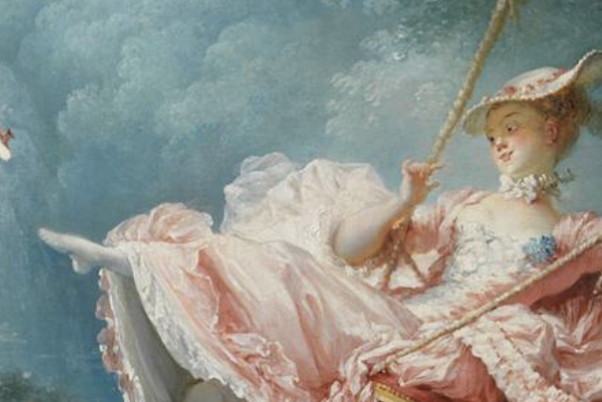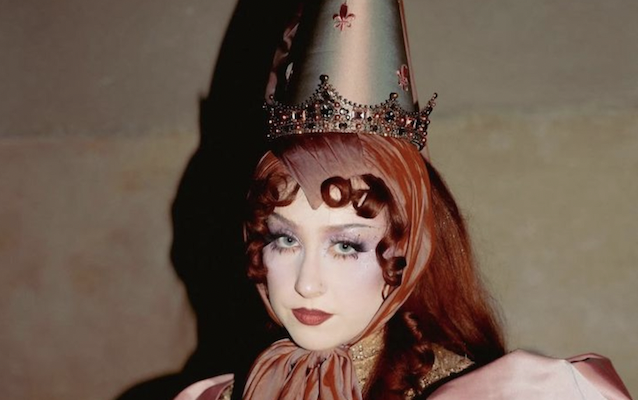
Roll your white gloves up to your elbows, fixing each finger so it fits just right. Smooth the pink satin of your dress and feel the rough ridges of a too-tight corset through the fabric. Listen to how champagne heels click against the marble of castle floors, echoing through great halls. Is this really the look of a hero?
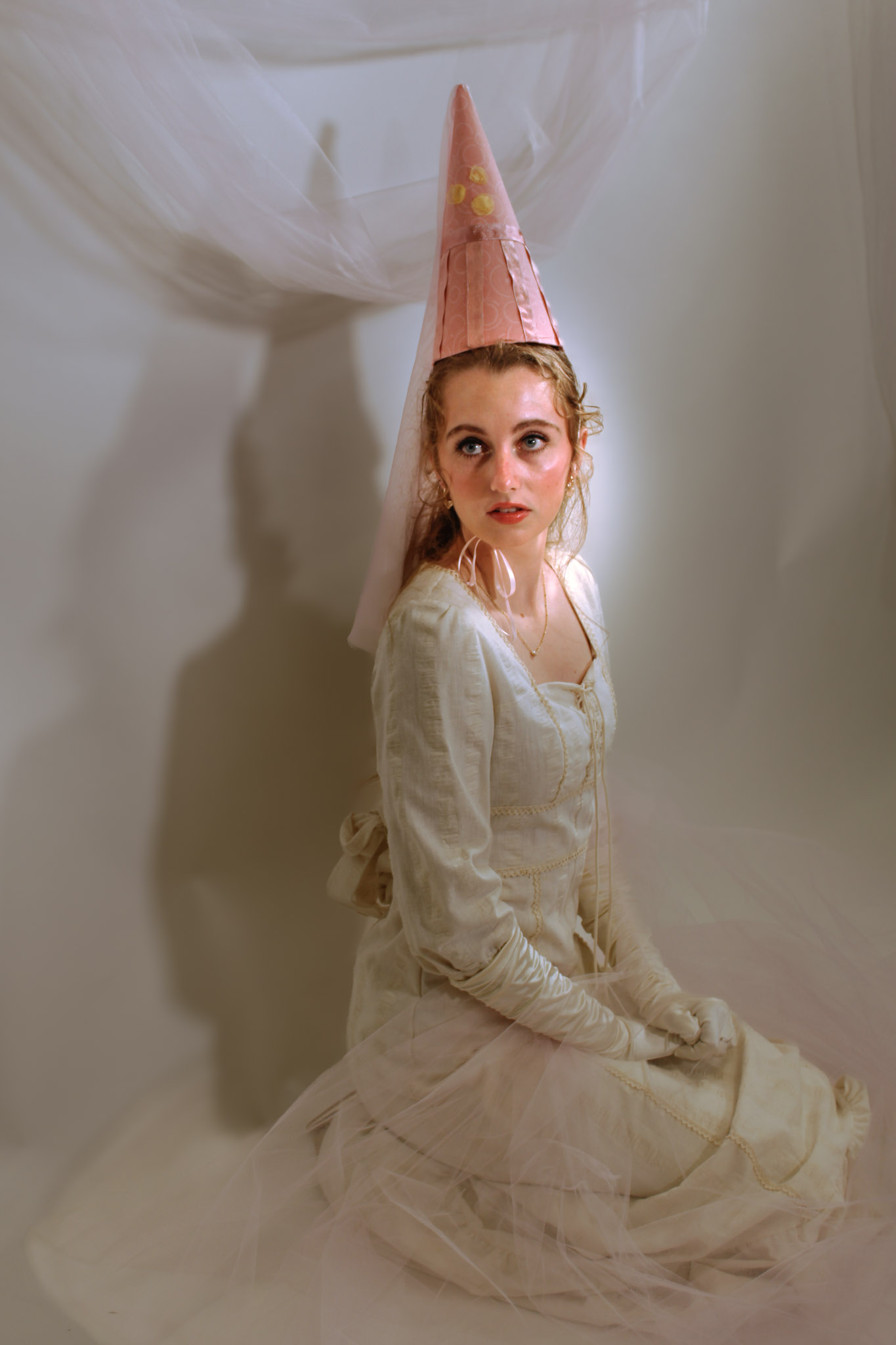
Through the years, tales of heroes and villains have floated through families, parents regaling their children with stories of good versus evil; happiness versus fear; light versus darkness. And it always looks the same—some evil witch in a black cloak shows up to destroy the kingdom, and the princess, with or without the help of a prince, stands strong in the face of danger, bringing brightness back once and for all.
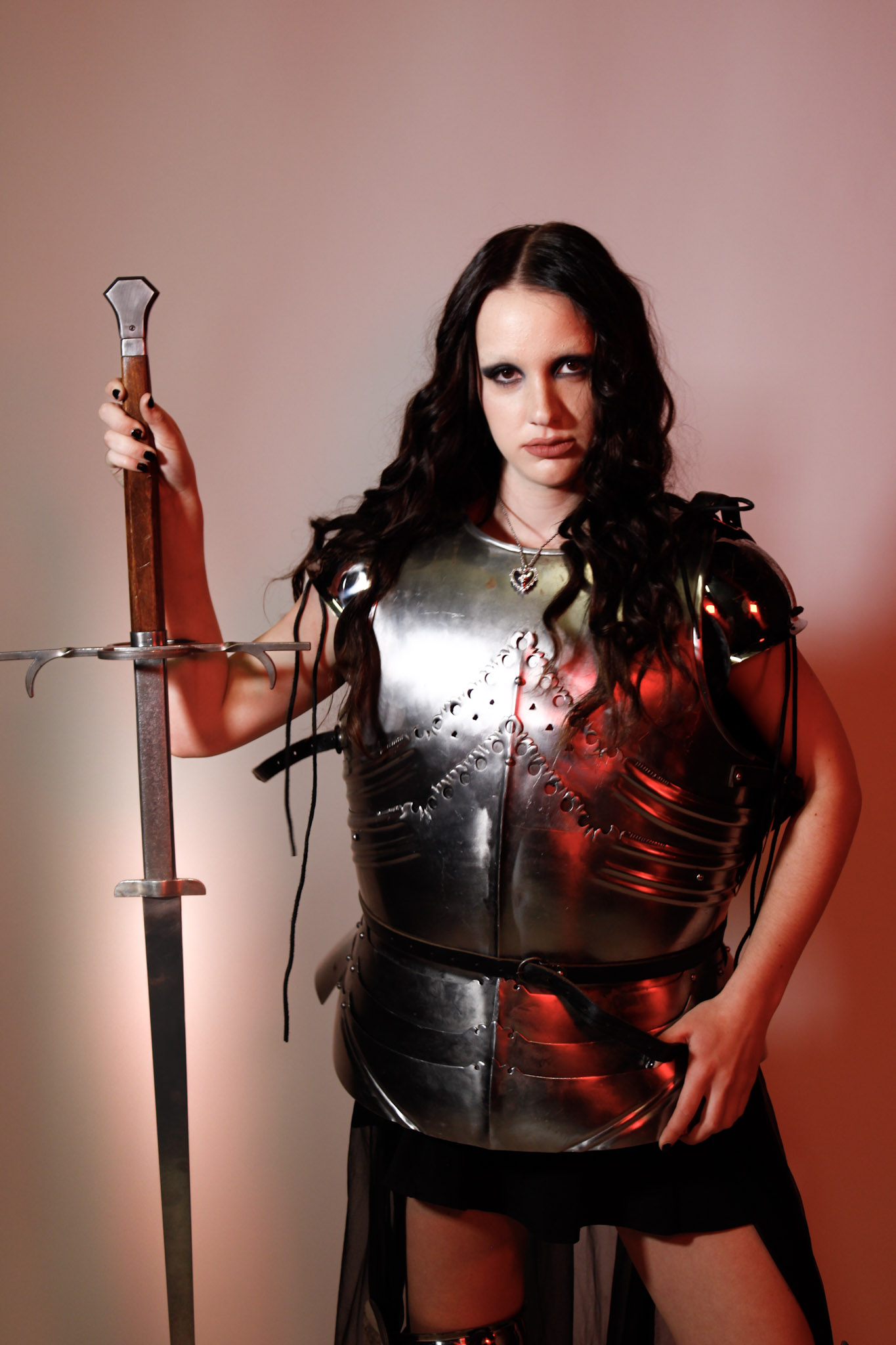
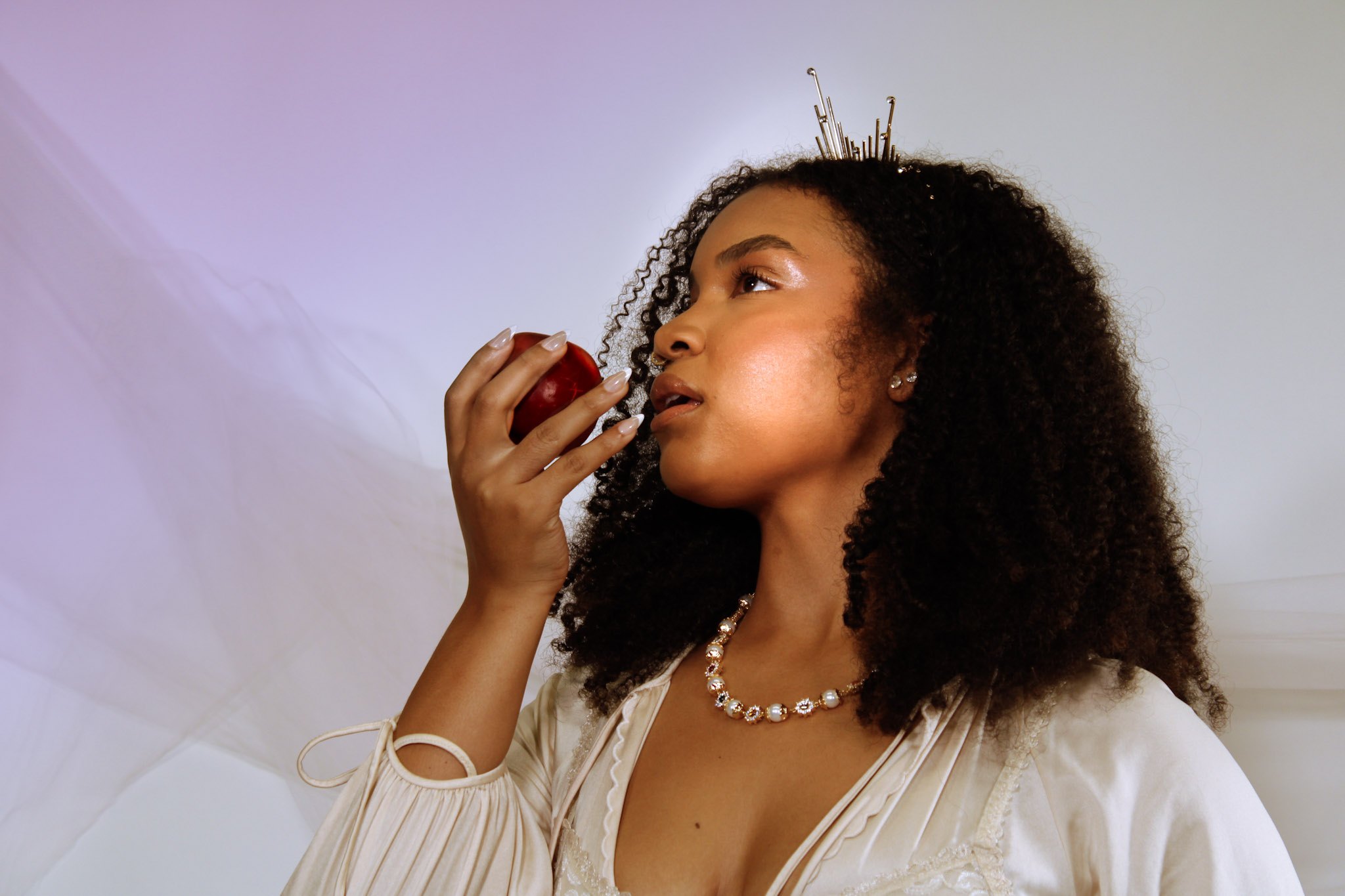
But why is it that vampires can’t stand the sun? All Gothic folklore aside, there is a reason that the light defeats darkness time after time. Without this trope, Gandalf could have never crawled out of hell as “Gandalf the White,” “the Dark Side” in George Lucas’s “Star Wars” might just be called “the side” and brides would never wear white to weddings, only to be widowed in black.
Equating light colors with “good” and dark ones with “bad” is nothing new. According to Monuments of Victoria, the color black has always been associated with power, darkness and most importantly, grief.

Wearing black to funerals has been a prevalent practice since the Romans reigned supreme, gaining significant traction in the 19th century with Victorian-era women. In this period, widows were expected to wear black for four full years after the death of their husbands, only being able to incorporate colors like purple and gray in their later “half-mourning” stage.
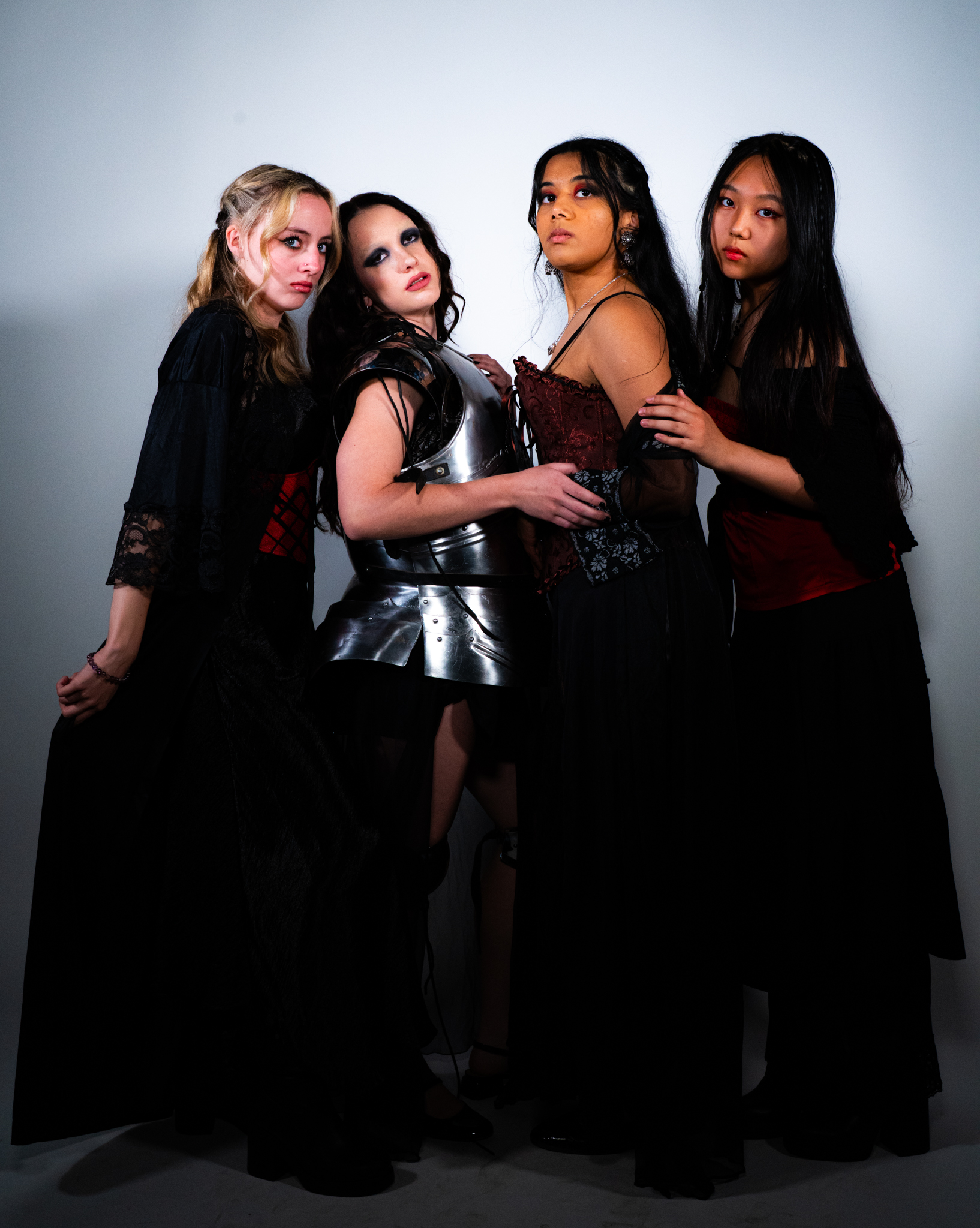

The same intensity was true of the color white. According to Michael Pastoureau’s “White: The History of a Color,” the color is typically representative of purity, wisdom, peace, beauty and cleanliness. And in typical Western literature, these are extremely positive ideals. Even a bride wearing white to a wedding reflects the idea of new beginnings, whereas the black garb traditionally surrounding funerals are indicative of harsh permanence; of something ending.
Given the severity of this color culture, it’s no wonder that motifs based in color have persisted in modern media and folklore. It doesn’t stop here, though. Heroes might wear white, with villains opting for a darker color scheme, but people in the real world choose daily how to best represent themselves through fashion.
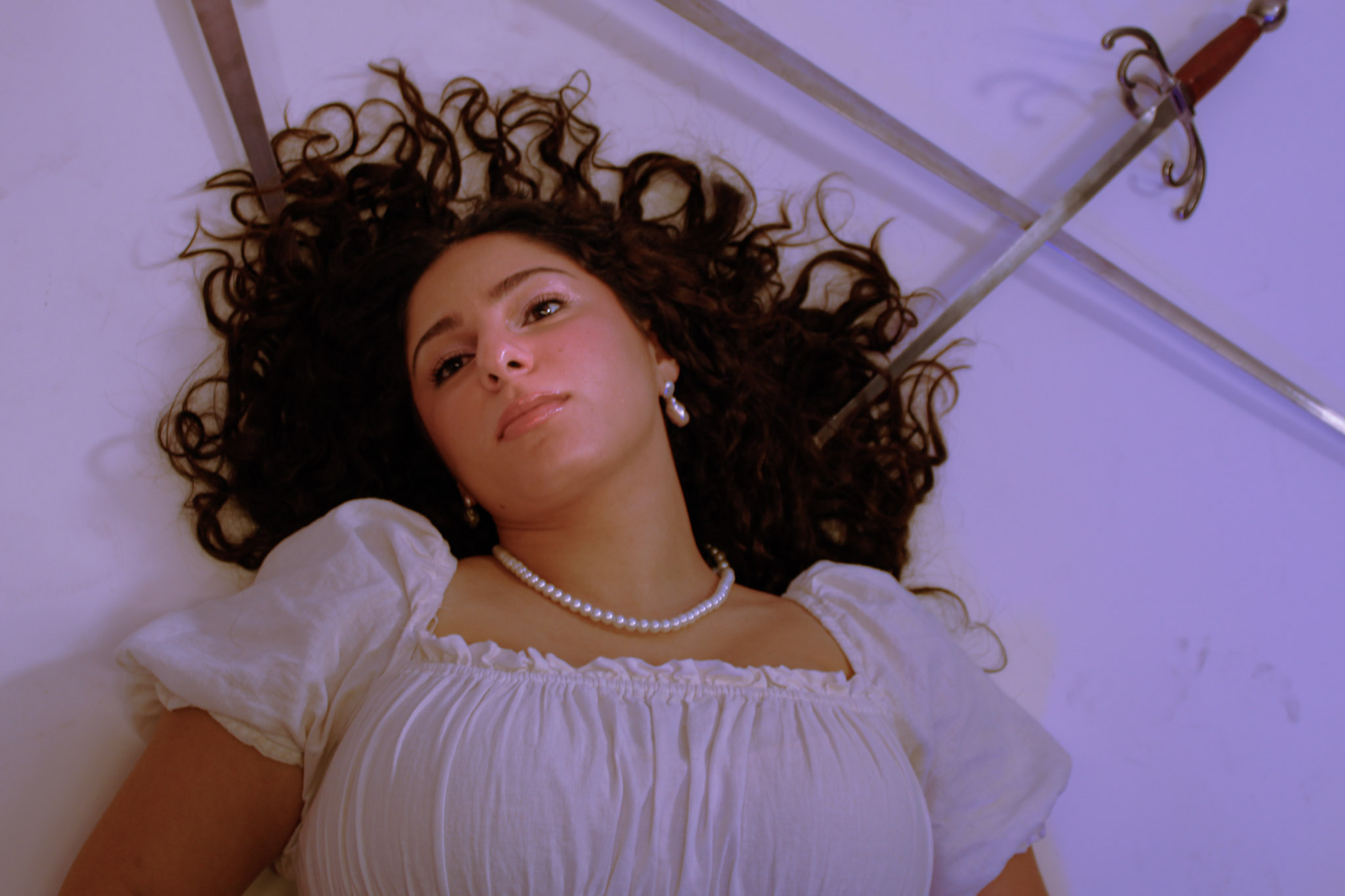
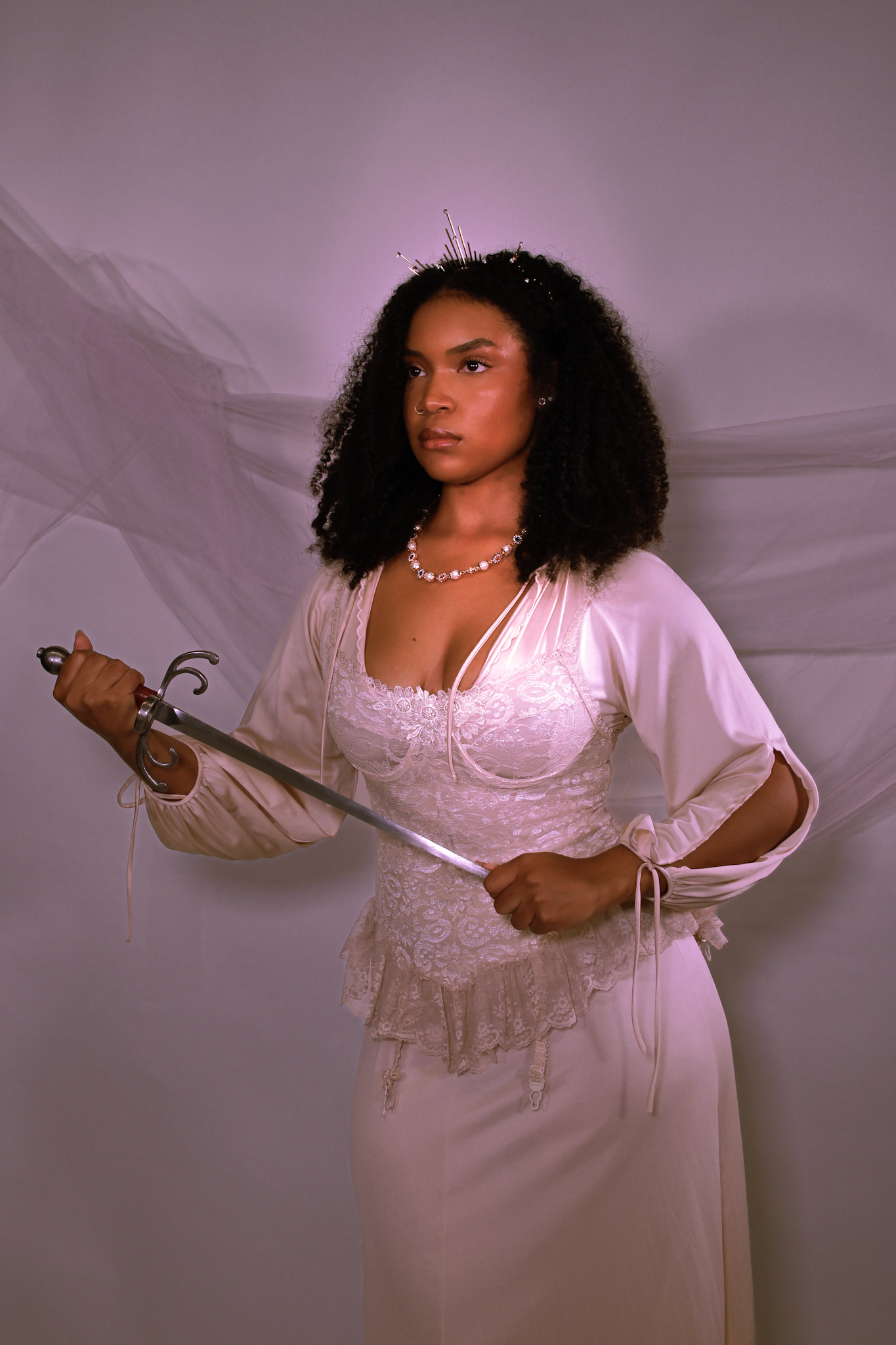
Personal style is directly tied to identity and individuality; it makes perfect sense that spring, a season full of fresh growth and returned warmth, would inspire light, bright and colorful clothing trends. The same goes for winter and fall—as the sun sets earlier, we tend to return to muted tones and protective hues of black, red, brown and gray, wrapping ourselves in the same shades that fall from the trees.

According to The Good Trade, this seasonal color coding isn’t a recent development. In fact, fabrics in the English Tudor period were popularized based on availability and cost. The article said that it was forbidden for anyone under the rank of “knight of the garter” to wear the color crimson, due to price and production.
Culture also plays an extremely important role in these delineations: “In India, red is the most traditional color for brides because it represents prosperity and purity…In many Western countries black is worn for mourning, though in some east Asian cultures, white is preferred for funerals, as it’s a nod to the natural cycle of life.”
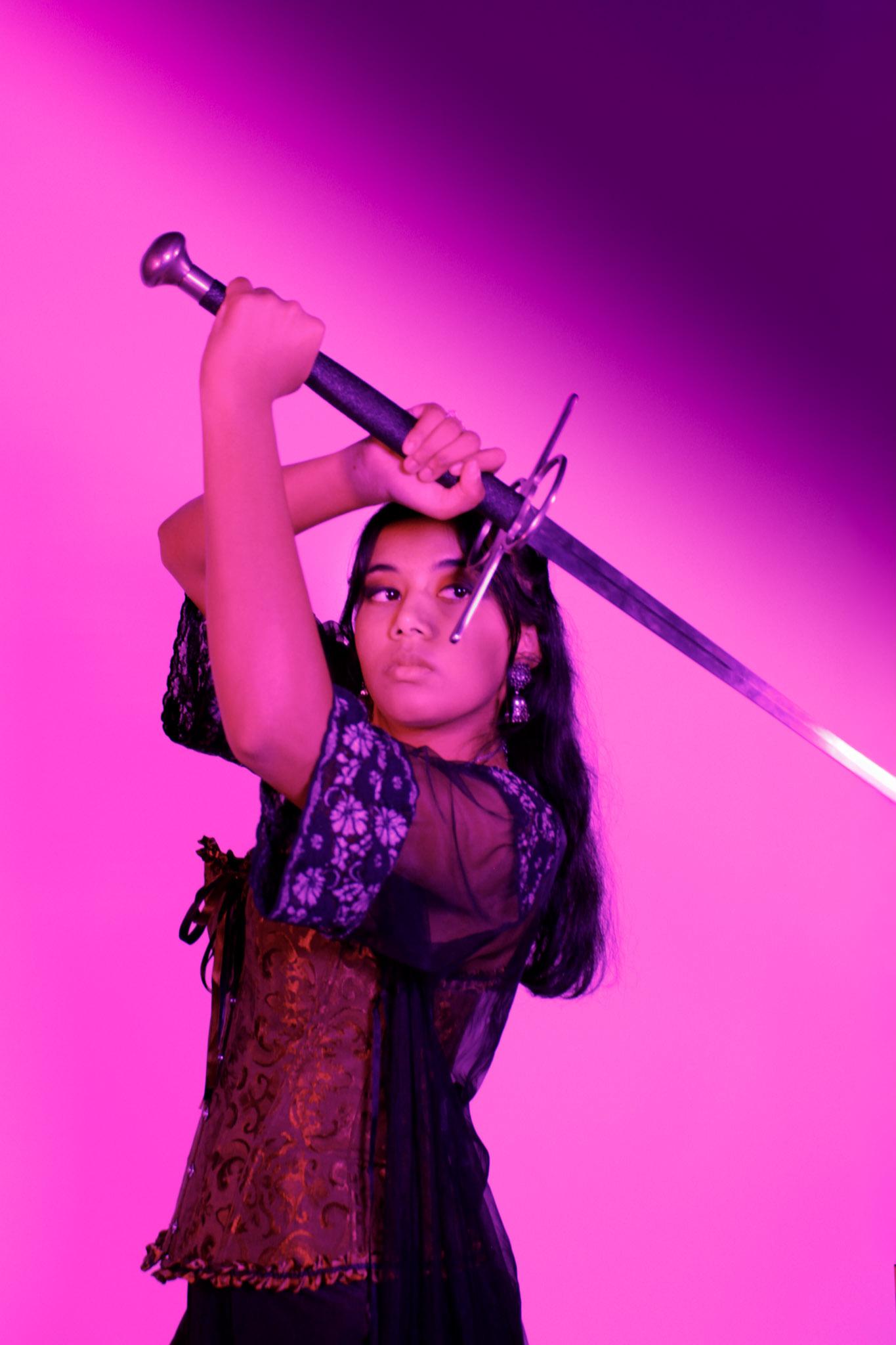

Colors have always meant something; choosing to wear them on your body means more. And in this modern period of political turmoil and daily news overloads, how you decide to present yourself can be more than a fun fashion choice—it can be a form of resistance.
Yes, the princesses and knights in the stories wear bright clothing, gleaming in the sunlight. Sometimes, though, our villains aren’t so easily recognizable. In today’s world, not every bad guy hides behind a corner in a dark robe with a poison apple. They can be all around us; on television shows, a rogue Instagram post or even in the White House.

Things aren’t black and white anymore, despite what the fairytales might tell you. The magic of such stories, however, must live on. When all hope seems lost, hearken back to the tales of old. Only, this time, ditch the white gloves and satin dress for one of your favorite pieces—a leather jacket or the brightest pair of pants in the thrift store; anything that makes you feel like yourself—to fight hard for what you believe in.
SHOOT LEADS Kat Gallaugher, Olivia Schweinhagen / PHOTOGRAPHERS Marin Zbawiony, Cora Hernandez, assisted by Hala Alyounes / MODELS Deepa Manikandan, Emmy Daniel, Farrah Mobydeen, Jasmine Freeman, Lizzie Porter, Maggie Gu, Reegan Davis / STYLIST & MAKEUP Lizzie Porter, Jasmine Freeman
SPECIAL THANKS to the Medieval College of Saint Brutus for providing swords, armour, helmets, shields and other medieval materials