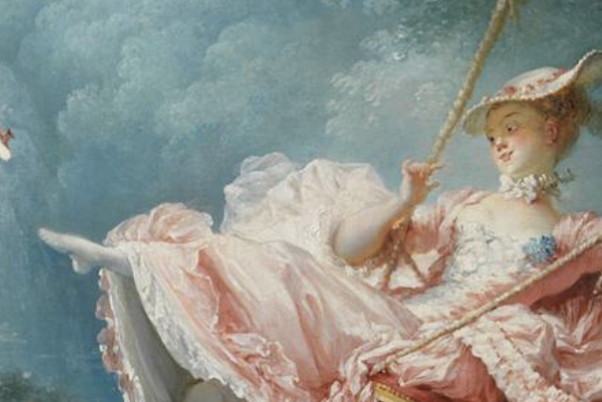
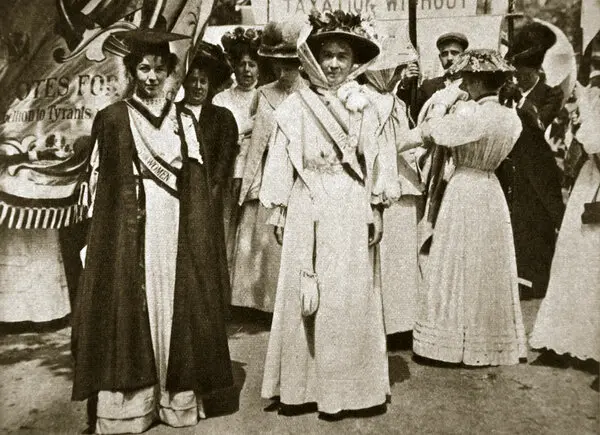
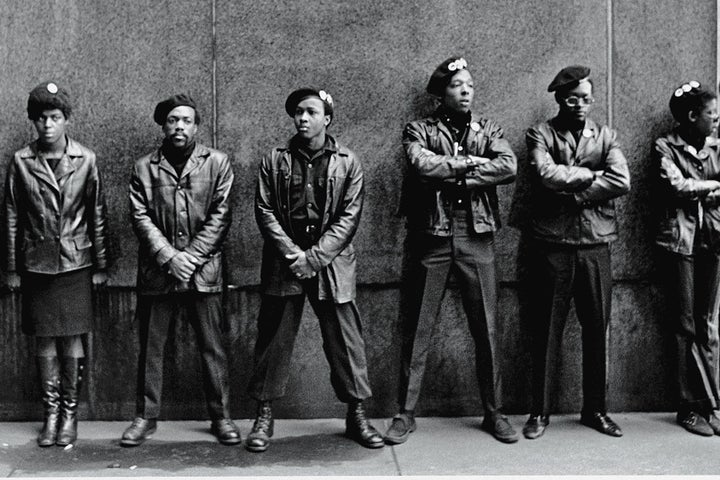
Throughout history, fashion has been used as a means to express identity and beliefs, and that is no different today. Suffragettes wearing sashes and donning symbolic colors, the Black Panther party wearing black leather jackets and berets in a nod to military style while fighting for civil rights and the pink pussy hats of the 2017 women’s marches are all well known uses of fashion as free speech, activism and protest.
But what does fashion as free speech and activism look like today?
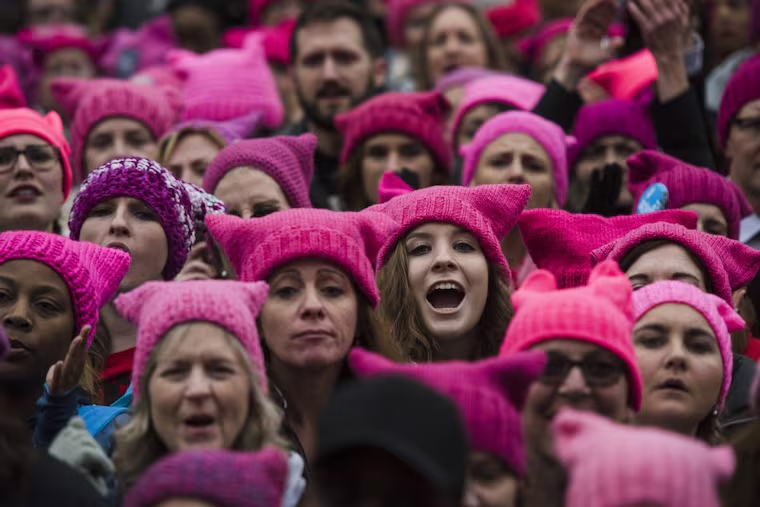
In today’s sociopolitical climate, clothing has become an important means not only of showing what you believe, but in some cases providing monetary support for causes that are near and dear to our hearts.
Fashion as a form of activism and free speech is also done on a personal/individual level. Some opt to make slogan T-shirts that voice their beliefs, while brands take profits and donate them to causes they believe in.
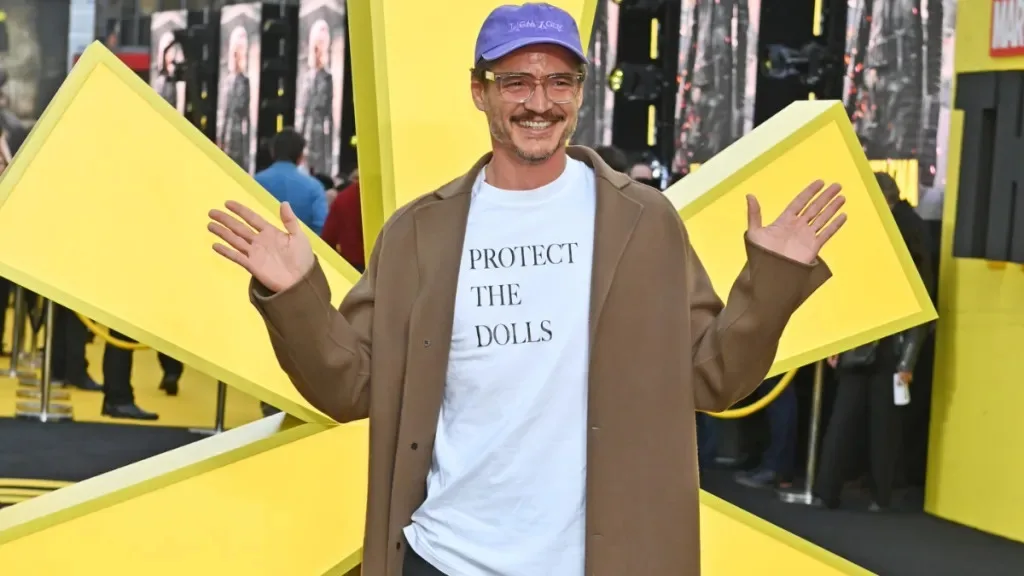
Connor Ives's “Protect The Dolls" shirts are a great example of brands using their fashion as free speech, the shirts having been seen across social media and on many celebrities. Proceeds go directly to Trans Lifeline, a U.S.-based nonprofit led by transgender individuals that focuses on offering emotional and financial support to other trans individuals, as stated in a previous Scarlette article.
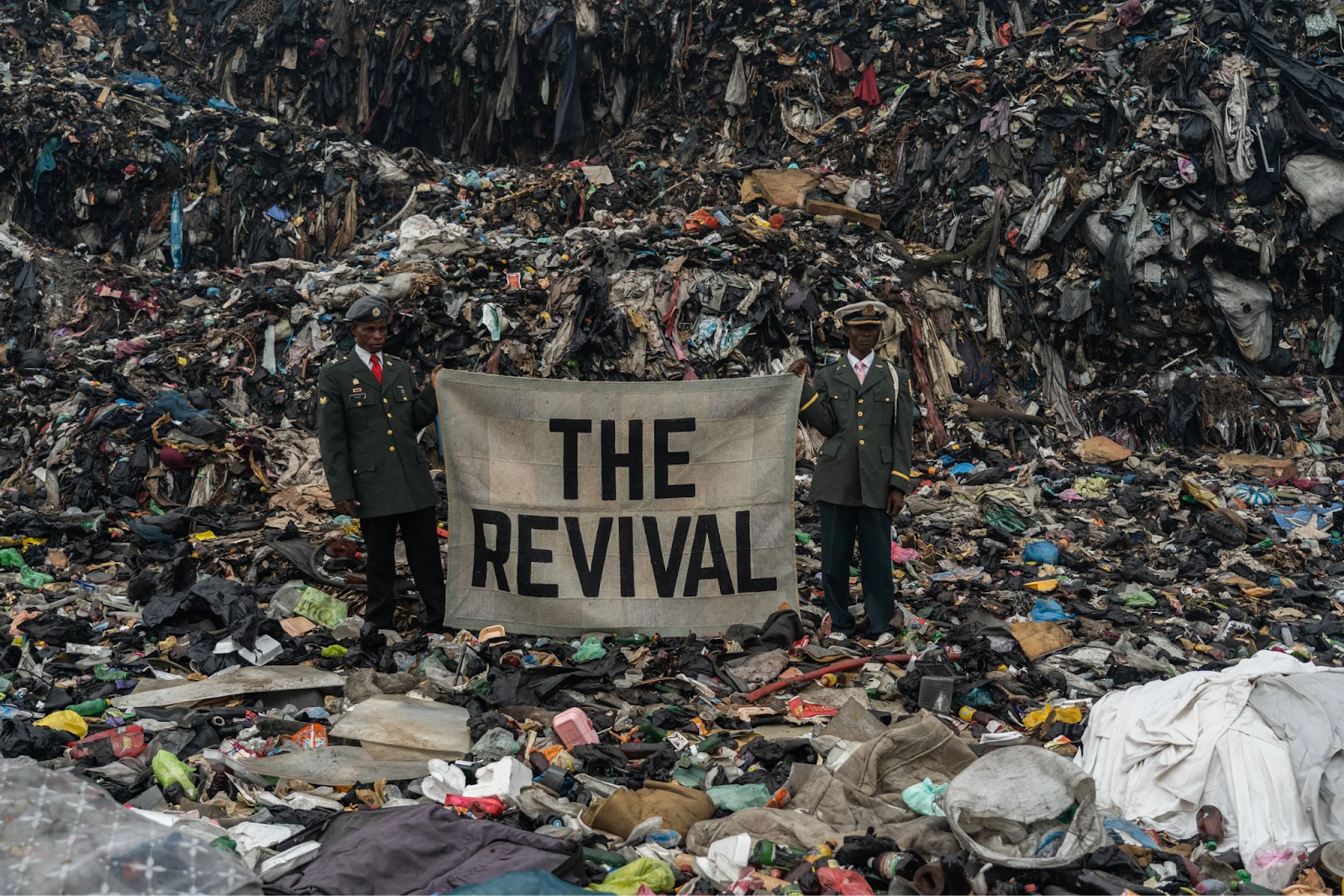
Similarly to social justice issues, brands also highlight sustainability ethics. A great example of sustainability and circularity in fashion is Ghana’s nonprofit, The Revival. The Revival seeks to reduce textile waste that comes from countries like the U.S. by upcycling discarded clothing and textiles that are unable to be sold at the famous Accra market, or would otherwise end up in a landfill.
The Revival partners with tailors and artisans in the market, fashion students and have even run pop-up workshops to show others how to upcycle textiles. They have collaborated with the London Victoria & Albert Museum on a capsule collection to highlight that circular fashion is important — and to impress the possibility and importance of making sustainable fashion choices.
On a more individual level, fashion activism can be broad. Between using your dollars as your voice, buying from outspoken brands and upcycling clothing to be more environmentally conscious, there are many ways personal style can be considered free speech, activism or protest.