
With everything going on in the world, it is of the utmost importance that we are conscious of where we put our money. For fashion enthusiasts — especially college students — it’s very easy to get sucked into buying trendy clothes.
With the rise of temporary trend cycles and inflation, purchasing inexpensive and deliverable clothing might seem convenient. However, this practice — known as fast fashion — has devastating effects.

The fast fashion industry is not only stealing designs, but additionally robbing companies of their customer bases. On social media, many small business owners share their grievances as fast fashion businesses steal their designs and reproduce their garments in a quicker, unethical manner.
Many argue on the side of the validity of fast fashion businesses and their buyers.
One side of the debate is that society shouldn’t bash non-wealthy people for buying fast fashion, mainly because it's classist to restrict fashion to the wealthy. On the other hand, just because the buyer is underprivileged, it does not make labourer exploitation excusable.
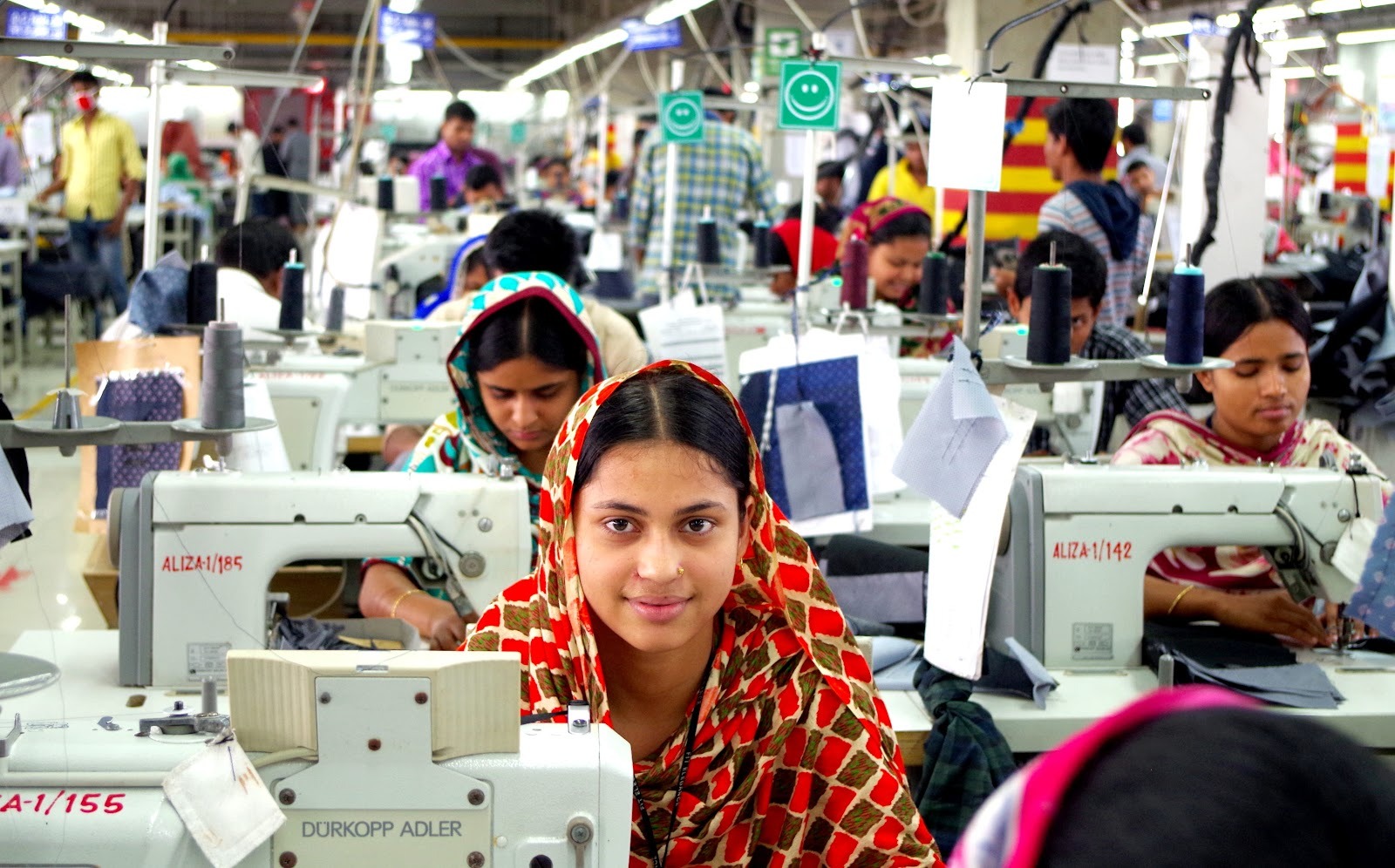
The tradeoff of another person's livelihood being exploited is not worth speedy, accessible means of acquiring clothing.
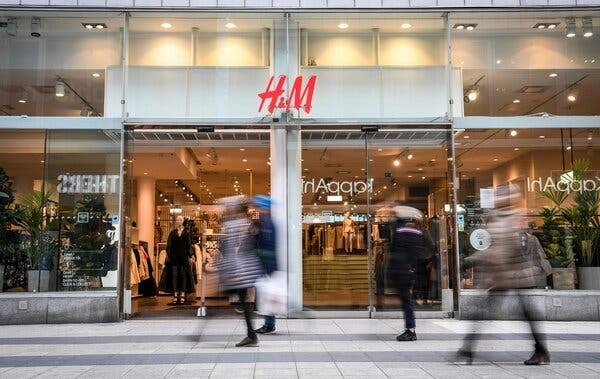
In reality, we are likely all guilty of the occasional Shein or H&M purchase. Perhaps we have justified it by telling ourselves that we are not clearing racks at a place with unethical practices, so it wouldn’t make a difference.
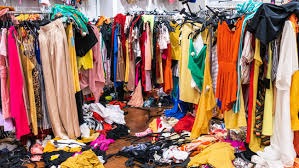
We are doing more than just clearing racks, though. We are devaluing the skill and labour of garment designers and tailors.
This realization is a similar experience for those of us that do care about the industry, as evidenced by the sea of people who loathe fast fashion and leave their footprints online.
A truly well-dressed and well-versed person is not likely to be proud of wearing a fast-fashion piece or a dupe, nor do we see these people advocating for any means other than thrifting to keep up with trends — if they advocate for trends at all.
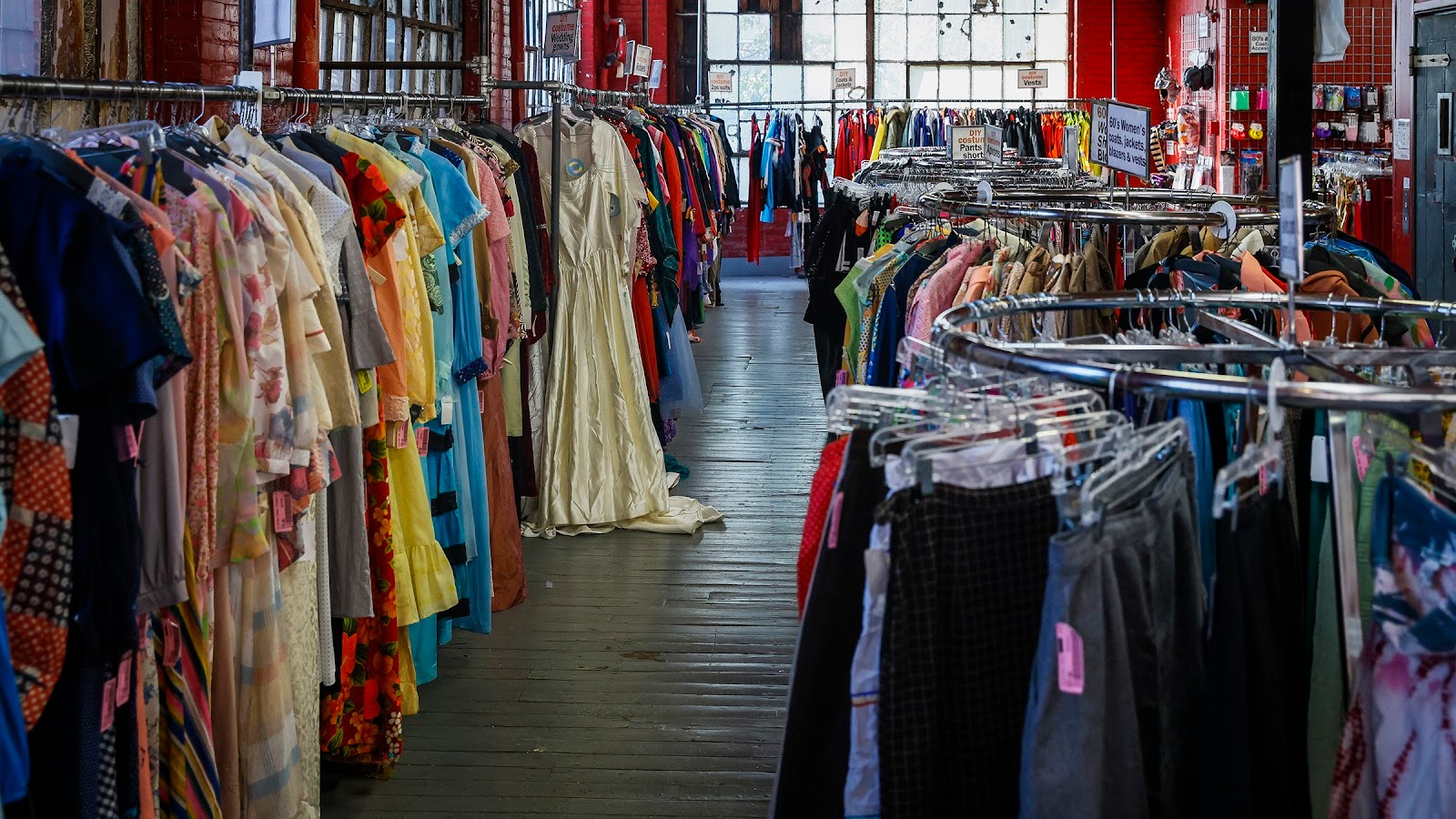
A good place to start is by monitoring ethical brands and making purchases from them. A great reference point for the sustainability and ethical score of a brand is a website called Good On You. Through their online presence, they make lists of brands where we can make ethical and guilt-free purchases, not only elevating the shopping experience, but also resulting in the purchase of higher quality and longer-lasting clothes.