Emerald Fennell’s “‘Wuthering Heights’” (2026) opened in theaters on Feb. 13. Not exactly faithful to Emily Brontë’s original novel, this Valentine’s Day release had viewers flocking to theaters in droves, foaming at the mouth for what the trailer had promised: love, lust and libido.
In the end though, the adaptation fell flat for many lovers of Brontë’s book, selling sex and delivering drivel. Where complexity once reigned supreme, Fennell forced a bodice-ripper romance into the well-dug out place of a classic.
While the complexity of the story may have been taken from us, one thing stayed just as interesting as ever: the costumes.
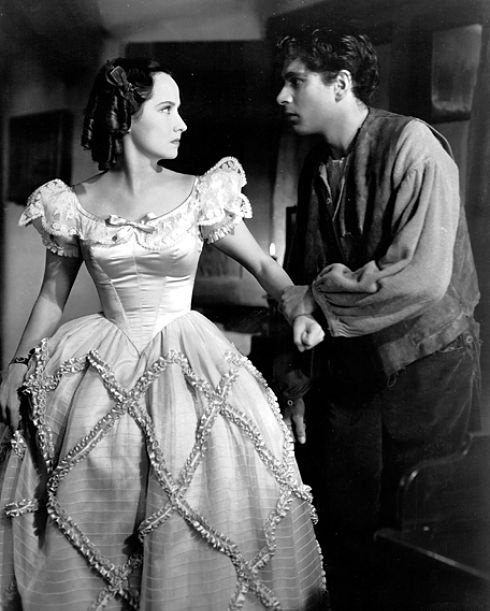
Through the many years and adaptations of this iconic tale, we’ve seen stunning visuals of Cathy and Heathcliff traversing the moors in their simplest garb, as well as the two strutting through scenes in the best clothing money can buy. This conflation of wealth and modesty will always remain integral to the story of Wuthering Heights, and it all started in 1939.
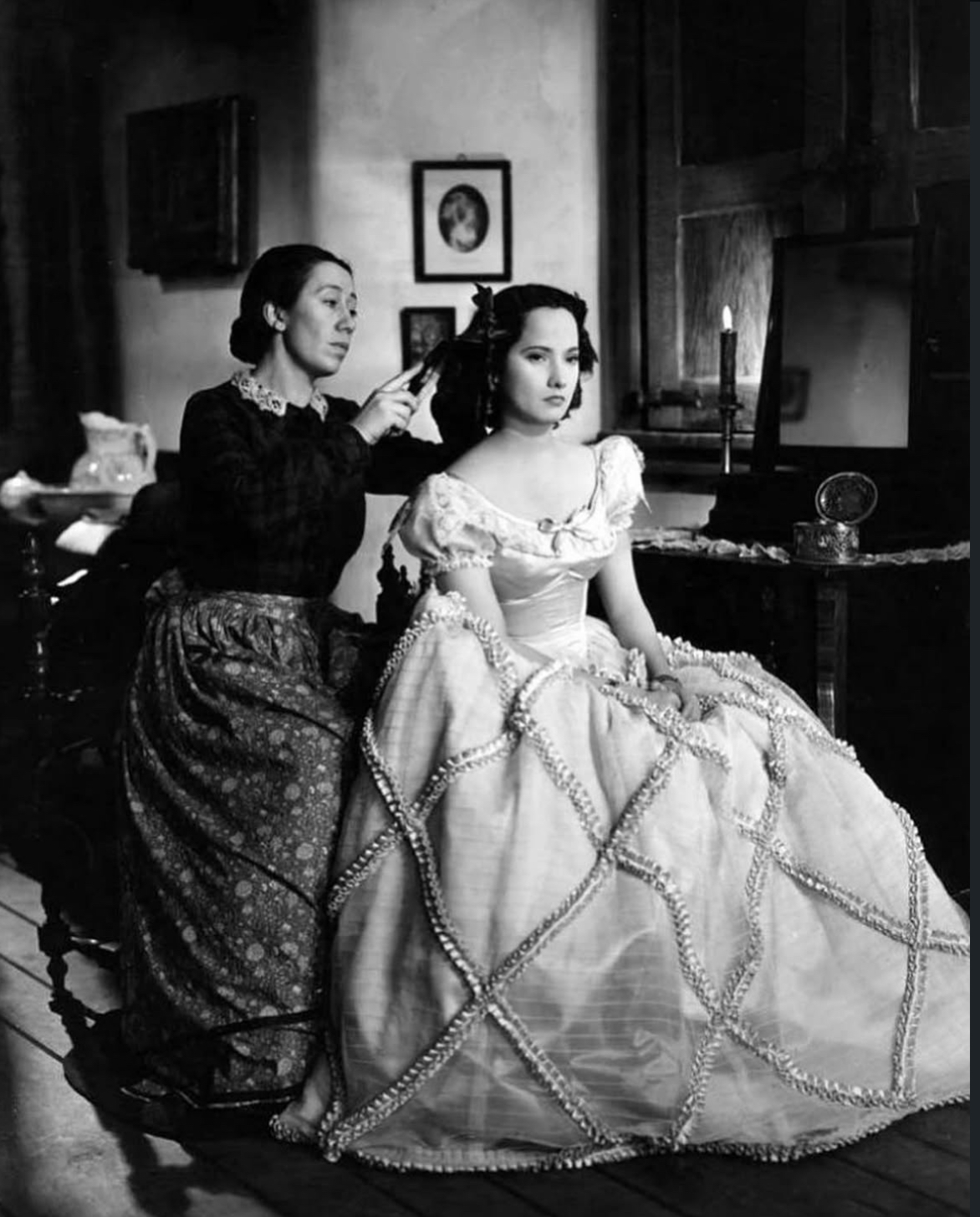
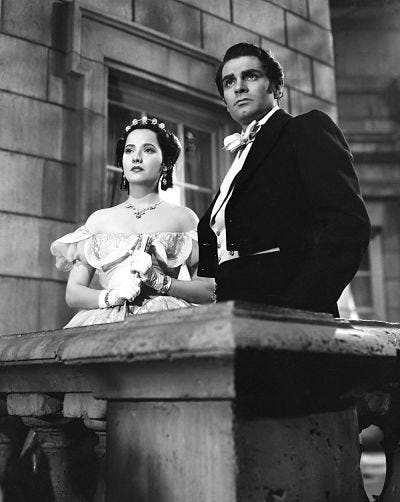
According to an article from Time Magazine, William Wyler’s “Wuthering Heights” (1939) wasn’t the first film adaptation of the novel—but it certainly lived on to be the most well-known. In the film, Laurence Olivier and Merle Oberon prance across the screen in suits, dresses, capes and the occasional Heathcliff-approved vest—all designed by American fashion designer Omar Kiam.
In 2026, though, just as ribbon has been traded for latex, Kiam has stepped aside and welcomed Jacqueline Durran in his place.
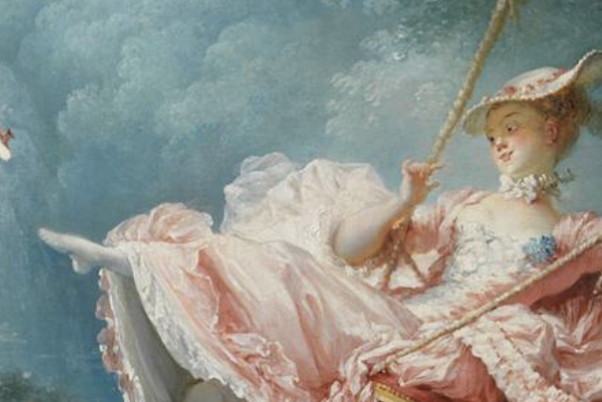
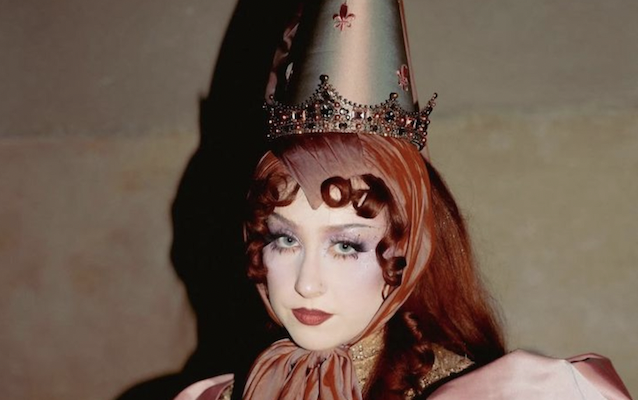
Durran, a British fashion designer decorated with two Academy Awards, three BAFTA film awards and two Costume Designer Guild Awards, took on one of the most famed period pieces and gave it new life. Nodding to Victor Fleming’s “Gone With the Wind” (1939), old Hollywood-style German milkmaid outfits and even paintings of Swiss peasant wear, according to Vogue, Durran didn’t shy away from the indistinct or the subtle.
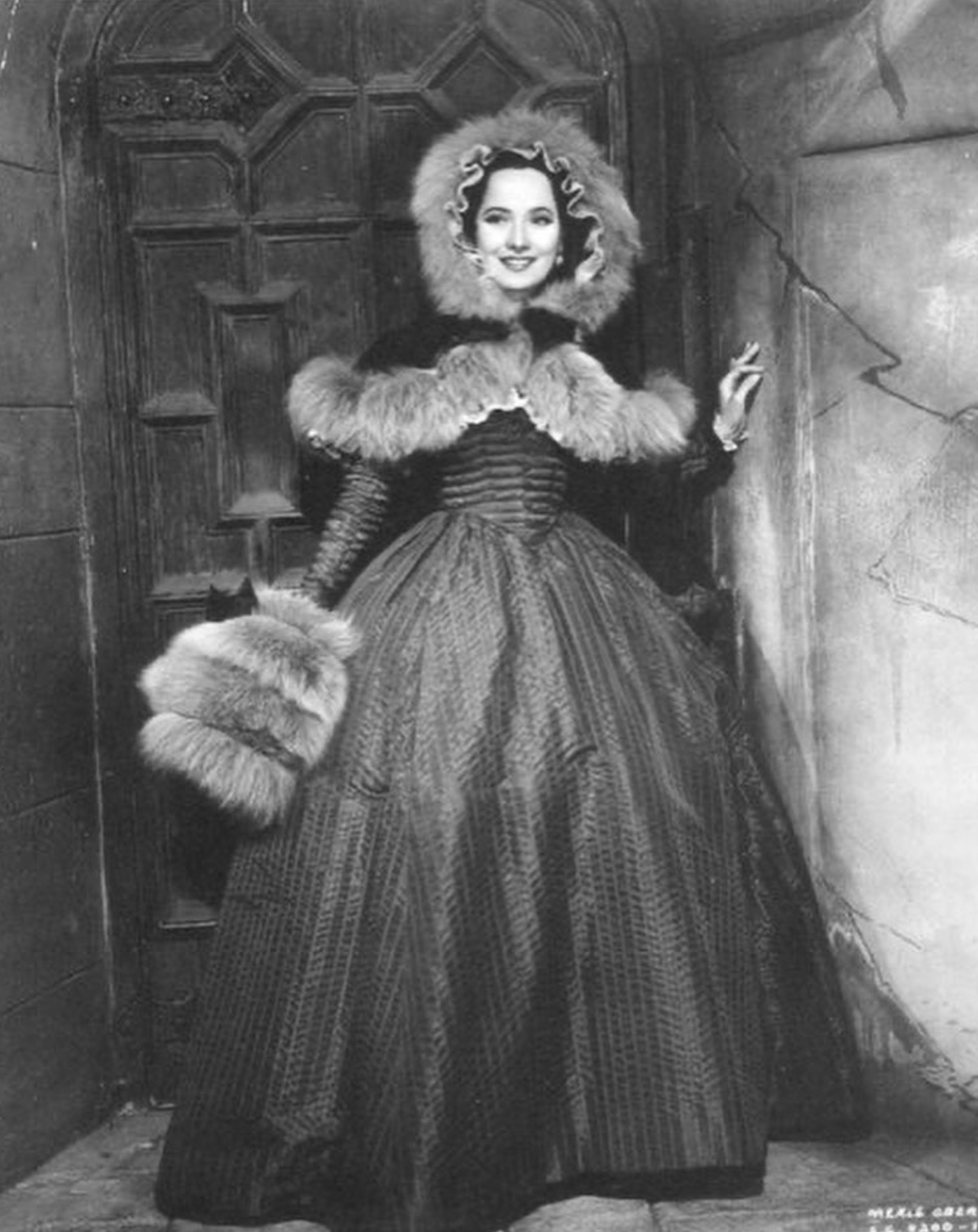
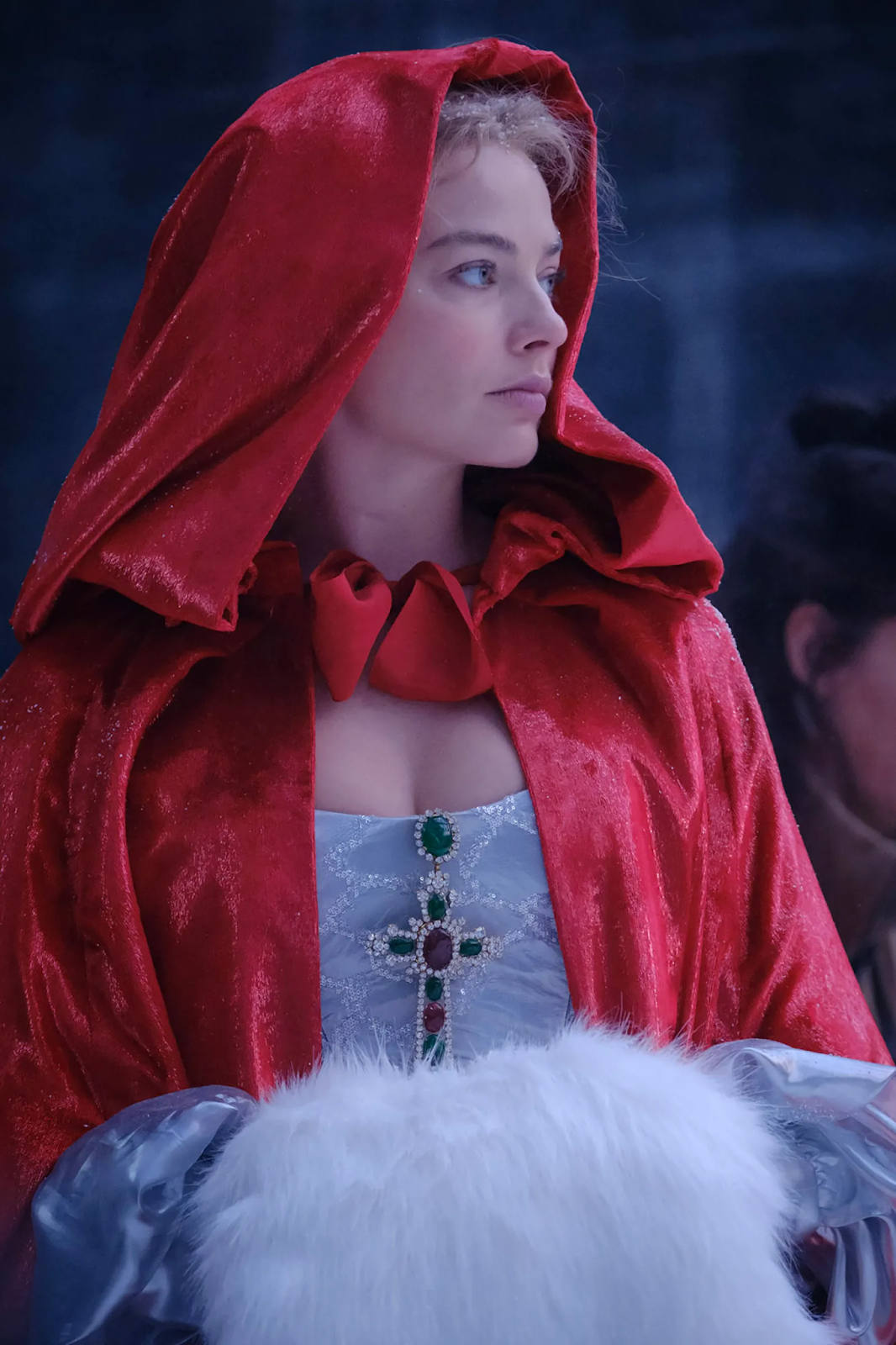
While inserting recognizable parallels throughout the film (like the hooded travel cape that Cathy wears on a trip back to Wuthering Heights, in the recent and original adaptations) most costumes that appear on Robbie or Elordi pay homage to vintage designer wear, classic art or old magazines, the most memorable referencing a pin-up girl from Calendar Girls, Sex Goddesses, and Pin-Up Queens of the ‘40s, ‘50s, and ‘60s.
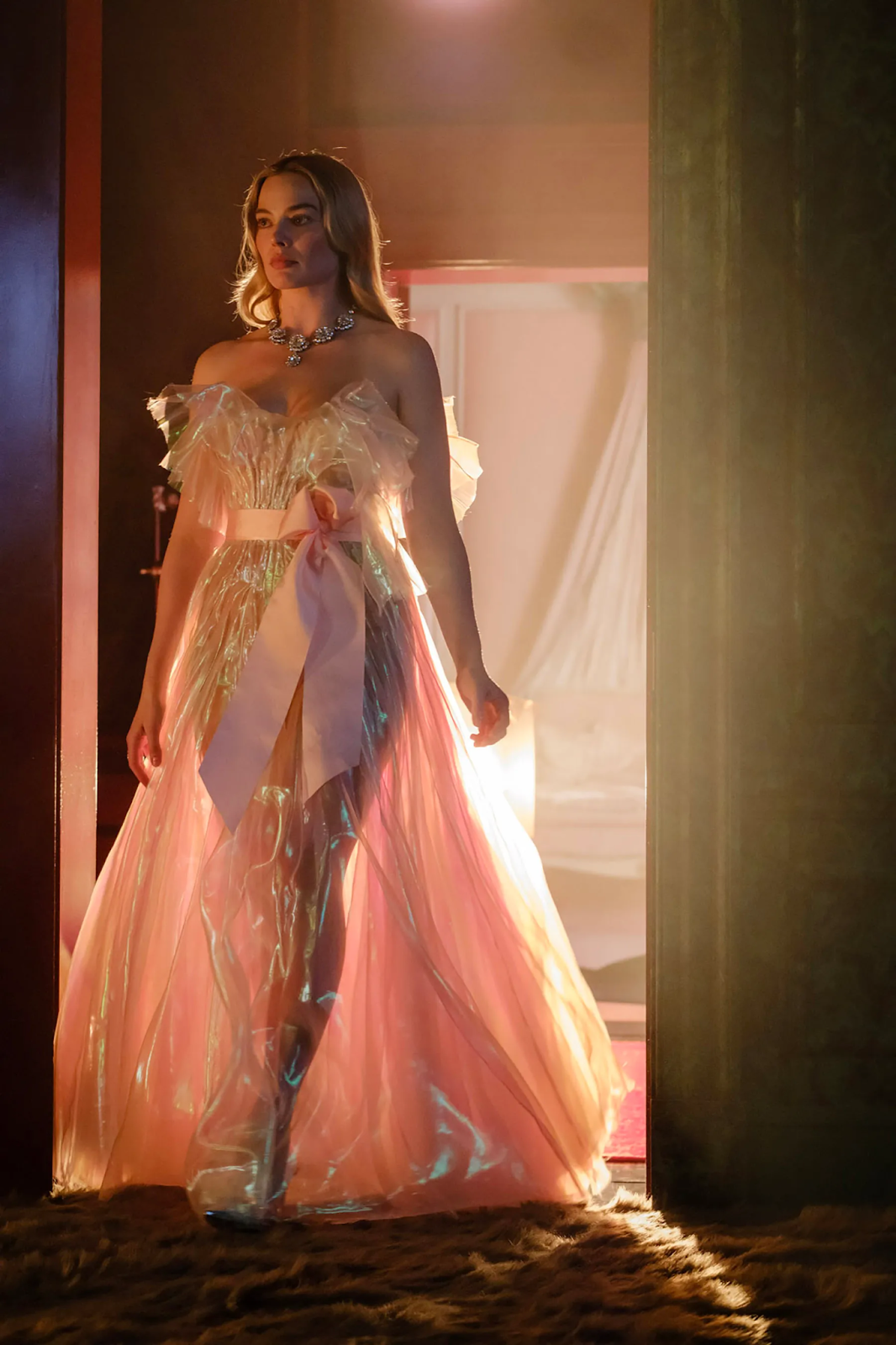
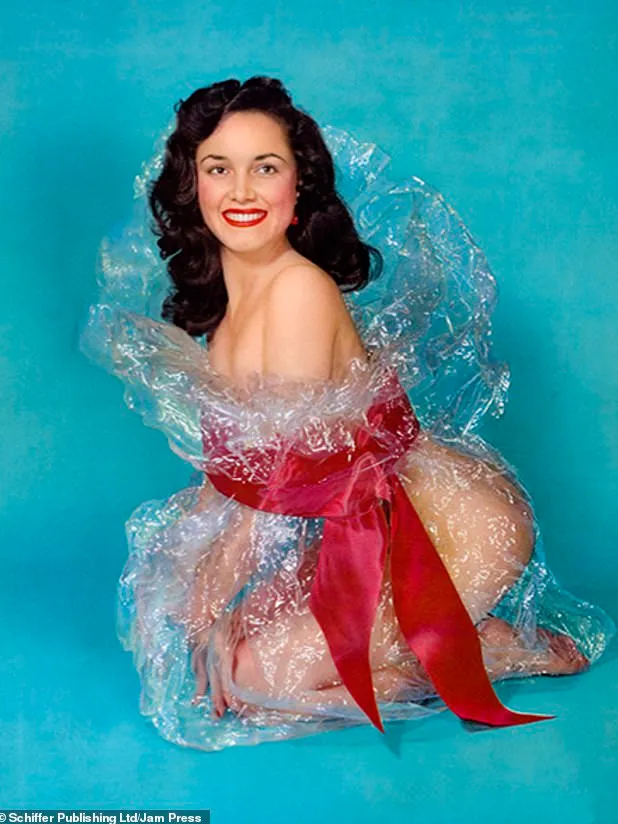
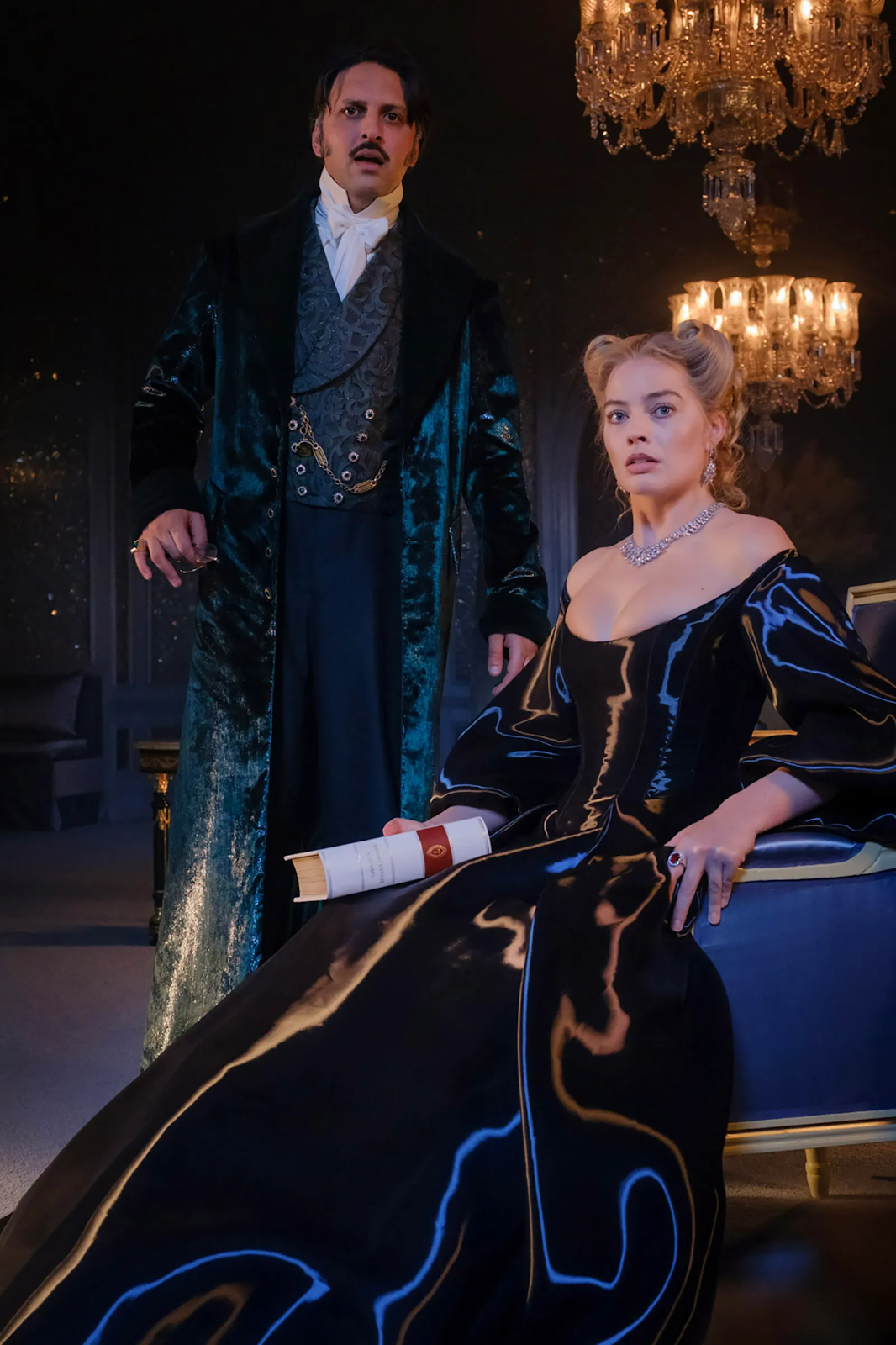
This may be a departure from the traditional “period piece,” but Durran’s choices have certainly made for some great conversation-starters. After Cathy’s marriage to Edgar Linton, for example, Robbie appears as the leading lady in a floor-length, black ballgown. The hitch? It’s made entirely of latex, her draping silhouette looking like a dark oil spill next to Linton’s elegant, velvet frame.
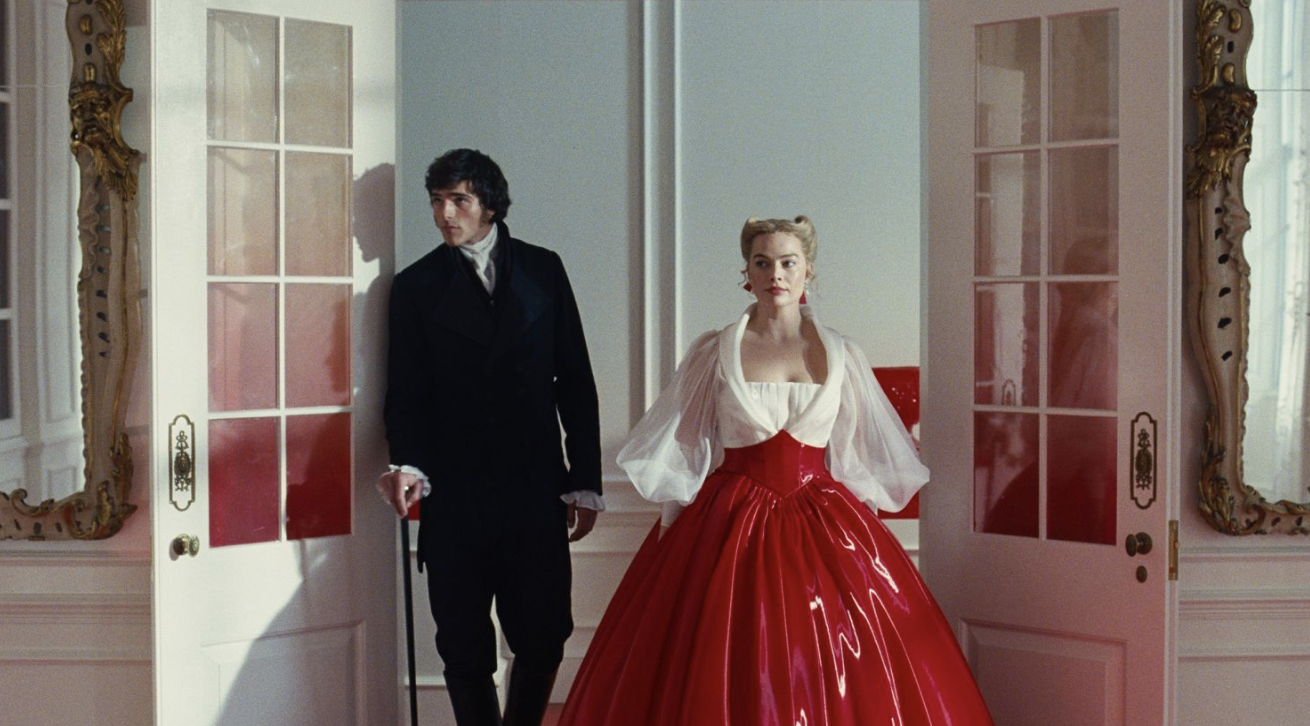
Clearly drawn to the medium, Durran chooses latex again and again. Waltzing into the scene, Robbie stuns next to Elordi’s period-accurate suit in puffy, white sleeves and a blood-red bodice and skirt.

The excitement doesn’t stop with Cathy’s wedding dress. Nearly drowning in her white veil, Robbie walks the aisle as one might walk the plank, dreading what lies ahead. Still, her misery is outshined by the Chanel halo perched atop her head and her skirt, inspired by a 1951 “Petal dress” by Charles James.
Whether you liked the film or not, these costumes are sure to stay fresh in your mind. And while Scarlette might not recommend keeping up with Fennell, there’s no denying that Durran is one to watch. Keep an eye out—she’s sure to do great things.